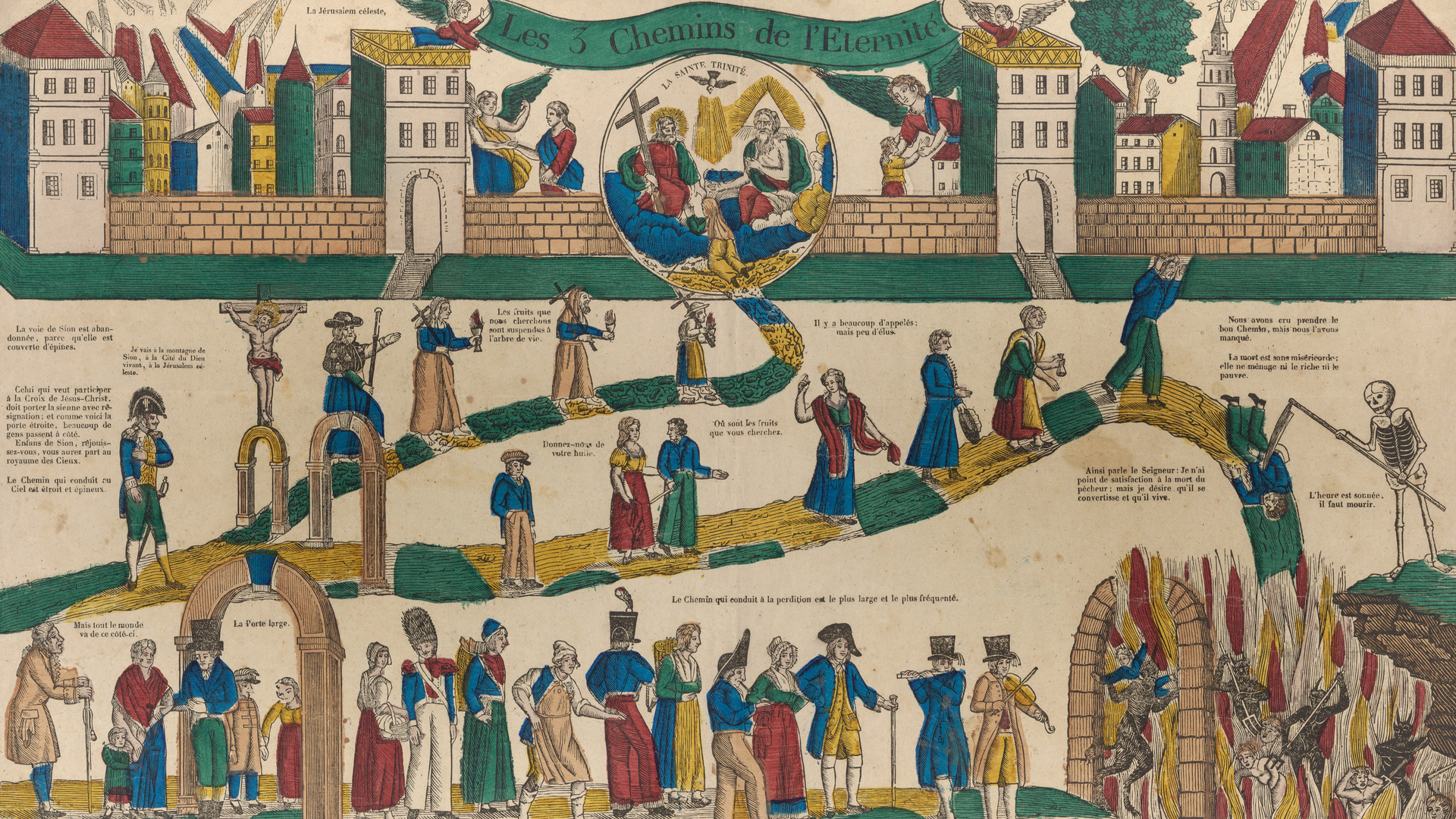
And He went through the cities and villages, teaching, and journeying toward Jerusalem. Then one said to Him, “Lord, are there few who are saved?” And He said to them, “Strive to enter through the narrow gate, for many, I say to you, will seek to enter and will not be able. (Luke 13:22–24; NKJV)
In Luke chapter 13, Jesus continues teaching about what following Him looks like in daily life, focusing on the connection between Kingdom membership and following Him. Jesus makes clear that not everyone who thinks they are a Christian will inherit eternity with Him.
Going back to the end of chapter 12, Jesus reveals that families and communities will be divided because of Him (Luke 12:49–53). Although many look to Him as a wise teacher, few commit to following Him. As the Parable of the Faithful and Evil Servants illustrates, not all who say they serve the Lord are wholly committed to the way of Jesus. One of the ways we can know if we truly belong to God’s Kingdom is the rule of repentance.
At the beginning of Chapter 13, Jesus twice says, “unless you repent you will all likewise perish” (vv. 3, 5). The chapter continues with Jesus healing a woman in a synagogue on the Sabbath and encountering strong resistance from the Jewish leaders. He rebuked the leaders for the hypocrisy of keeping tradition while shaming those seeking healing and freedom from infirmity (e.g., Luke 6:6–11; 14:1–6; John 9).
The parables surrounding this encounter also emphasize the importance of repentance in the Kingdom of God. Recall that the Parable of the Fig Tree reveals that Jesus’ earthly ministry is nearing its completion and the timeframe for Israel to receive her Messiah during Jesus’ earthly ministry will soon end.
The Parable of the Mustard Seed speaks of the growth of the Kingdom. But the symbolism of the birds of the air is often overlooked. In the Parable of the Soils, which Jesus says is our baseline for understanding the other parables (Mark 4:13), Jesus explains that the birds of the air symbolize Satan snatching the seed of the word from the soil on stony ground (Mark 4:16). So, the birds of the air resting in the branches of the mustard tree are people who are aligned with our Adversary. As the Kingdom of God grows in the present age, many will associate with the Kingdom who are not true members of the Kingdom and will not inherit the Kingdom in eternity.
The Parable of the Leaven teaches a similar truth. The leaven, seemingly insignificant, will become mixed into the Kingdom as the Kingdom grows beyond measure. Importantly, however, often overlooked is the fact that every other occurrence of leaven in Scripture represents sin.1 So, the leaven represents people who are not cleansed from their sin. Within the context of this chapter, this parable is once again illustrating that, as the Kingdom grows in the present age, there will be many who associate with the Kingdom but are not true members of the Kingdom and will not inherit the Kingdom in eternity.
Jesus drives the point home in the Illustration of the Narrow Gate. Jesus was rebuking the hypocritical legalism that was common among the leaders in ancient Israel (e.g., Luke 12:56; 13:15). Kingdom membership is not gained through outward conformity to tradition, nor by human achievement. It is received through a sincere and authentic faith that flows outwardly into repentance—turning from the sinful ways of the world to wholeheartedly following Jesus.
What is the way of Jesus? It is not mere association with the things of God (e.g., the parables above). Nor is it merely dining and reclining with Jesus (e.g., with the Pharisees, Luke 14:1). Neither is it merely hearing the teachings and witnessing the miracles of Jesus (e.g., the crowds, 12:1; 13:17). No, the way of Jesus is wholeheartedly trusting our eternity to Him and daily yielding to the plans and purposes of God in our lives.
It is easy to put things like justice, kindness, love, and mercy into boxes that we use as a checklist for choosing our friends, voting for politicians, and debating people on social media. But following Jesus is not about making a list, checking it twice, and aligning ourselves with the latest social movements.
Following Jesus is wholeheartedly yielding to the plans and purposes of God. It is prayerfully seeking to live out those plans and purposes in our lives and in the world. Yes, this means caring for the outcasts and advocating for the oppressed. It also means defining sin as God does, fleeing the sinful lusts of the world, and preaching the narrow way of salvation, which is given only to those who truly believe Jesus.
May we be a people of repentance, wholeheartedly committed to trusting in and following our Lord.
Notes
- Exodus 12:15, 19, 20, 34, 39; 13:3, 7; 23:18; 34:25; Leviticus 2:11; 6:17; 7:13; 10:12; 23:17; Deuteronomy 16:3, 4; Hosea 7:4; Amos 4:5; Matthew 16:6, 11, 12; Mark 8:15; Luke 12:1; 1 Corinthians 5:6, 7, 8, 9.
Discover more from Tim Northup
Subscribe to get the latest posts sent to your email.
 Tim Northup
