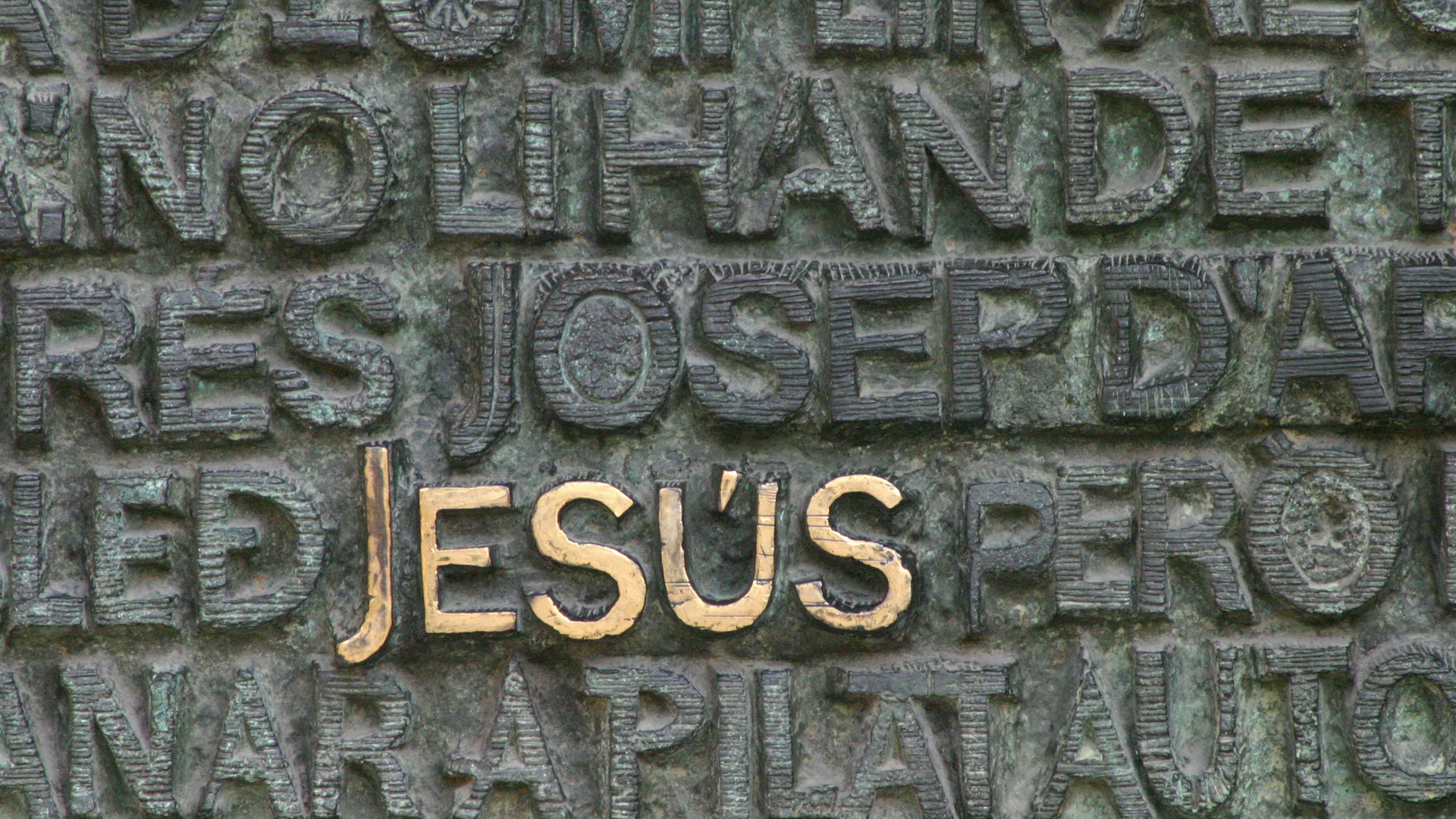
Now those who were scattered after the persecution that arose over Stephen traveled as far as Phoenicia, Cyprus, and Antioch, preaching the word to no one but the Jews only. But some of them were men from Cyprus and Cyrene, who, when they had come to Antioch, spoke to the Hellenists, preaching the Lord Jesus. And the hand of the Lord was with them, and a great number believed and turned to the Lord. (Acts 11:19–21; NKJV)
When you hear the word “Christianity,” what comes to mind? Common responses include believing in God, being a good person, praying, going to church, and giving to the poor. Sometimes Christianity is associated with being born in America or identifying with a certain race. But none of these are the central claim of Christianity.
When we hear the word “Christianity,” what initially comes to mind is usually a reflection of our own experiences with Christians, the church, and spirituality. Such influences often include family members, friends, customs, the media, etc. But Christianity is not defined by our own experiences. It centers around the historical and spiritual claims about a person—Jesus Christ.
Acts 11:19–26 describes how the word “Christian” first began to be used in the Roman city of Antioch. This ancient city, founded around 300 B.C. during the reign of Alexander the Great before the rise of the Roman Empire, was home to a mixed population including Greeks, Macedonians, Syrians, Jews, and later, Romans.1
After the early church leader Stephen was martyred (Acts 8), the Jerusalem church faced intense persecution. The followers of Jesus became scattered throughout the Roman provinces. But as these followers of Jesus traveled and settled throughout the Roman Empire, they shared the good news of Jesus Christ (Acts 8:4–8).
Some of these followers of Jesus came to Antioch and preached about Jesus there, too. Many of the residents of Antioch, including Gentiles, heard about Jesus and believed in Him (vv. 19–21).2 When news reached the Jerusalem church about Gentiles turning to Jesus, the Jerusalem church sent the apostle Barnabas to see what was happening.
During Barnabas’ initial visit, many more people turned to Jesus (vv. 22–25). Barnabas went to find Paul and brought him to Antioch, where he and Paul taught these new Jesus followers for a year. It was then and there that Jesus followers were first called Christians (vv. 25–26).
Notice that the label “Christian” did not originate with followers of Jesus, but from others. They called these Jesus followers “Christians” because they believed that Jesus is the Christ, trusting in Him and turning from their old ways of life to following Him (c.f., Acts 5:42).
Before the crucifixion and resurrection of Jesus, Jesus asked His disciples, “who do you say that I am?” (Matt 16:15). Peter answered, “You are the Christ, the Son of the living God” (v. 16). Jesus blessed him, explaining that his answer did not come from the wisdom of men, but the revelation of God (v. 17).
This is the central claim of Christianity: Jesus is the Christ—the Anointed Son of God who brought the salvation of God into the world and gives eternal life to all who believe in Him (Matt 16:16; John 3:16–17).
With these things in mind, I will define Christianity as follows:
Christianity is the faith-based worldview that centers around a personal, life-changing encounter with God through Jesus Christ. Its central tenet is that Jesus is the Christ, the Anointed Son of God, who brought the salvation of God into the world and gives eternal life to all who believe in Him.
Christianity is not merely an intellectual claim that God exists or being a good person. While it involves praying, going to church, and helping those in need, these are not its central claim. And Christianity is certainly not about where someone is born or what race someone identifies with.
Christianity centers around the identity and ministry of Jesus. And Christians are those who trust in Jesus and commit their lives to following Him.
Notes
- Lee Martin McDonald, “Acts,” in The Bible Knowledge Background Commentary: Acts–Philemon, 1st ed., ed. Craig A. Evans and Craig A. Bubeck (Colorado Springs, CO: David C. Cook, 2004), 79. Logos Bible Software.
- Darrell L. Bock, Acts, Baker Exegetical Commentary on the New Testament (Grand Rapids, MI: Baker Academic, 2007), 414. Logos Bible Software.
Discover more from Tim Northup
Subscribe to get the latest posts sent to your email.
 Tim Northup