Sons of the Resurrection

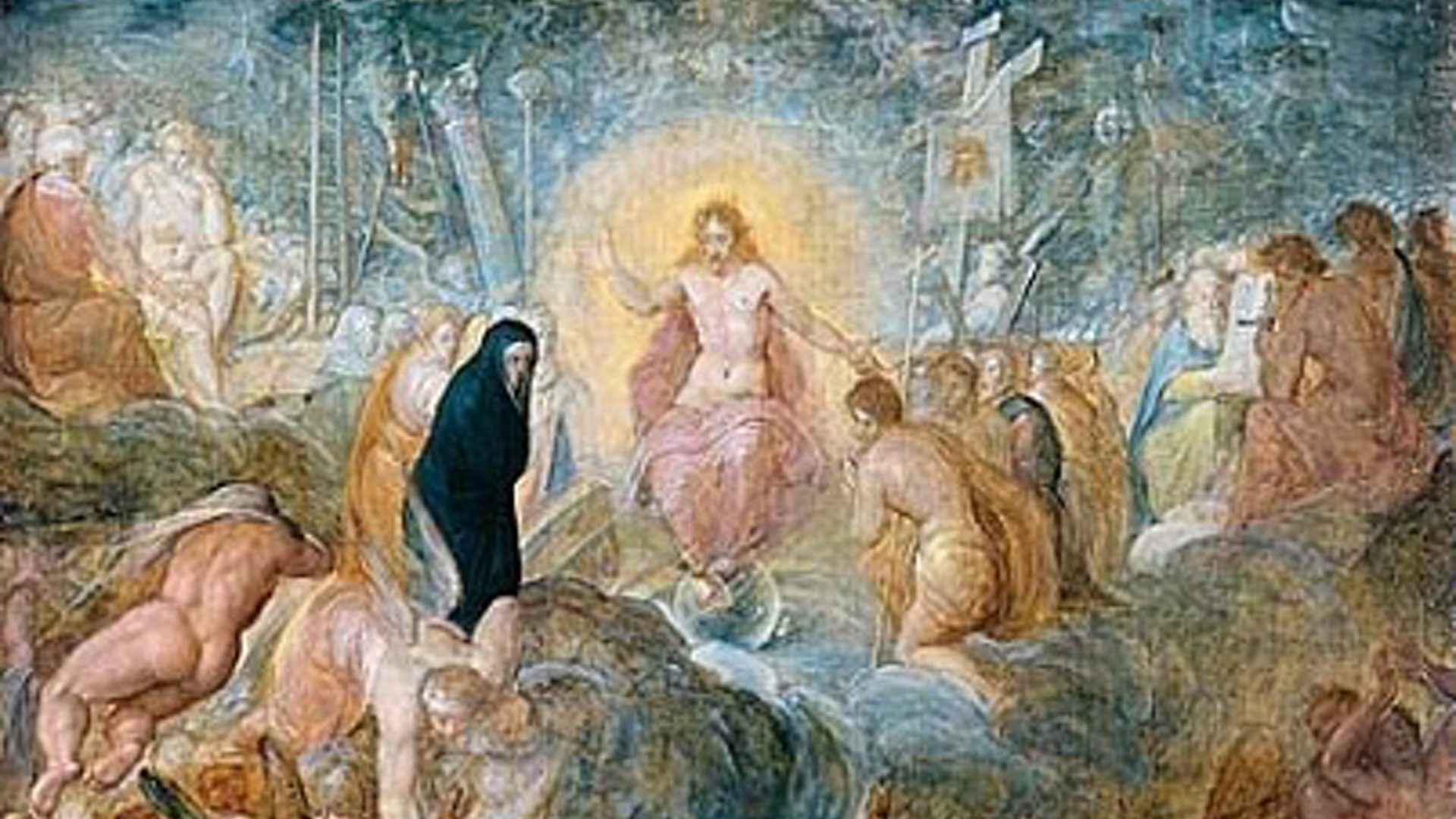
Jesus answered and said to them, “The sons of this age marry and are given in marriage. But those who are counted worthy to attain that age, and the resurrection from the dead, neither marry nor are given in marriage; nor can they die anymore, for they are equal to the angels and are sons of God, being sons of the resurrection. (Luke 20:34–36)

Luke chapter 20 summarizes Jesus’ testing by the religious leaders after His arrival in Jerusalem and leading up to Passover. One of the many details I find interesting in this chapter is how these events connect to Passover.

Continue reading

Year in Review, 2024 Edition

9  Remember the former things of old,
For I am God, and there is no other;
I am God, and there is none like Me,
10 Declaring the end from the beginning,
And from ancient times things that are not yet done,
Saying, ‘My counsel shall stand,
And I will do all My pleasure,’
11 Calling a bird of prey from the east,
The man who executes My counsel, from a far country.
Indeed I have spoken it;
I will also bring it to pass.
I have purposed it;
I will also do it.

(Isa 46:9–11; NKJV)

Over and over again, Scripture calls us to remember what God has said and done. Remembering gives us a chance to reflect deeply about God and His work in our lives. It calls to mind the evidence of God’s faithfulness to His promises and His people, which gives us wisdom for the present and hope for the future.

Continue reading

To Seek and Save the Lost

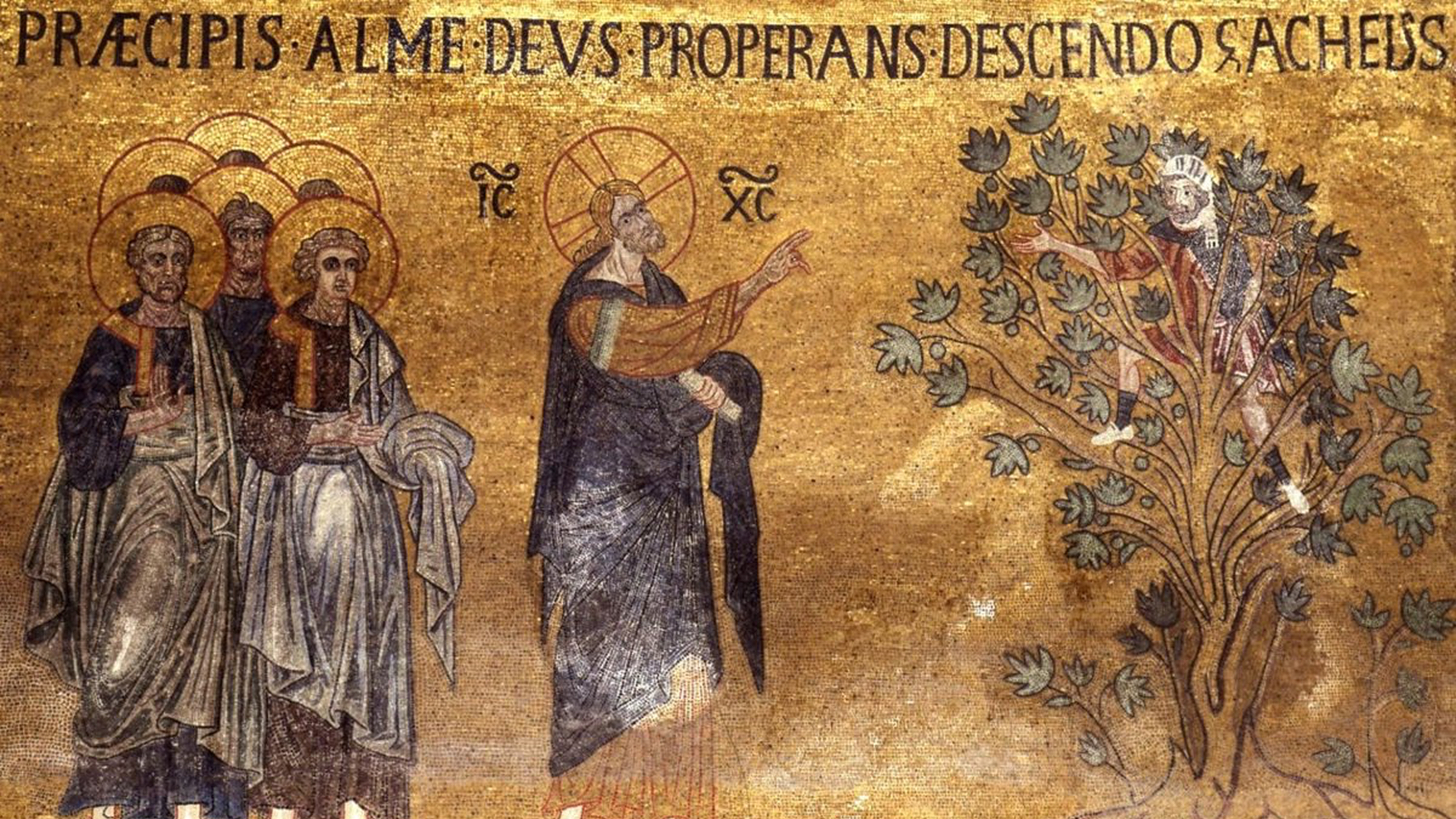
Then Zacchaeus stood and said to the Lord, “Look, Lord, I give half of my goods to the poor; and if I have taken anything from anyone by false accusation, I restore fourfold.” And Jesus said to him, “Today salvation has come to this house, because he also is a son of Abraham; for the Son of Man has come to seek and to save that which was lost.” (Luke 19:8–10; NKJV)

Chapter 19 in the Gospel of Luke is a transition between two major sections of Luke’s narrative. The first half of the chapter (verses 1–27) closes out the large central division focusing on the Gospel of the Kingdom of God with a brief review of Jesus’ Kingdom priorities. The second half of the chapter (vv. 28–48) begins the next major division, which narrates the presentation of Israel’s Messiah, beginning with the arrival of Jesus in Jerusalem.

Continue reading

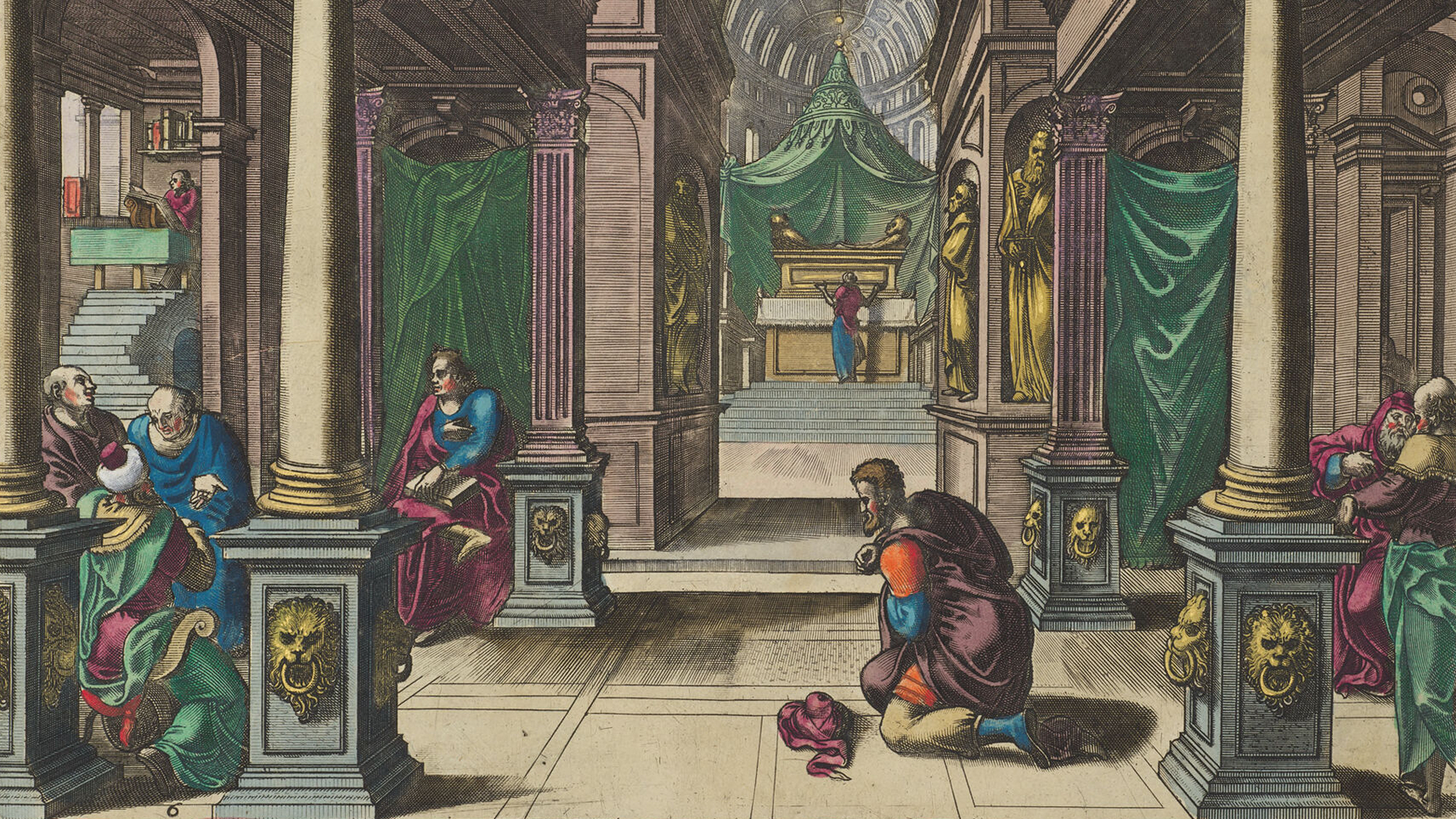
Have Mercy on Me!

Print by Lucas and Joannes van Doetecum on Harvard Art Museums
The tax collector, standing afar off, would not so much as raise his eyes to heaven, but beat his breast, saying, ‘God, be merciful to me a sinner!’ I tell you, this man went down to his house justified rather than the other; for everyone who exalts himself will be humbled, and he who humbles himself will be exalted.” (Luke 18:13–14, NKJV)

As Jesus traveled toward Jerusalem, many people gathered around Him, asking Him questions and listening to His teaching. Chapter 18 narrates some of Jesus’ encounters as He journeyed toward the Cross. The chapter opens with two parables about the kind of persistent, humble faith that God desires of us. These parables are followed by Jesus’ encounter with the little children, whose persistent, humble faith He instructs us to emulate.

Continue reading

The Days of the Son of Man

Then He said to the disciples, “The days will come when you will desire to see one of the days of the Son of Man, and you will not see it. And they will say to you, ‘Look here!’ or ‘Look there!’ Do not go after them or follow them. For as the lightning that flashes out of one part under heaven shines to the other part under heaven, so also the Son of Man will be in His day. (Luke 17:22–24; NKJV)

As Jesus continued toward Jerusalem, He traveled through Samaria and Galilee (Luke 17:11). This would be his last pass through these regions on His way to the Cross. The warnings about giving offense (vv. 1–4) and about faithful service (vv. 5–10) bring the major section about true service in the Kingdom of God, beginning in Luke 15, to a close. Luke’s narrative now focuses on the coming of God’s Kingdom and the Son of Man.

Continue reading

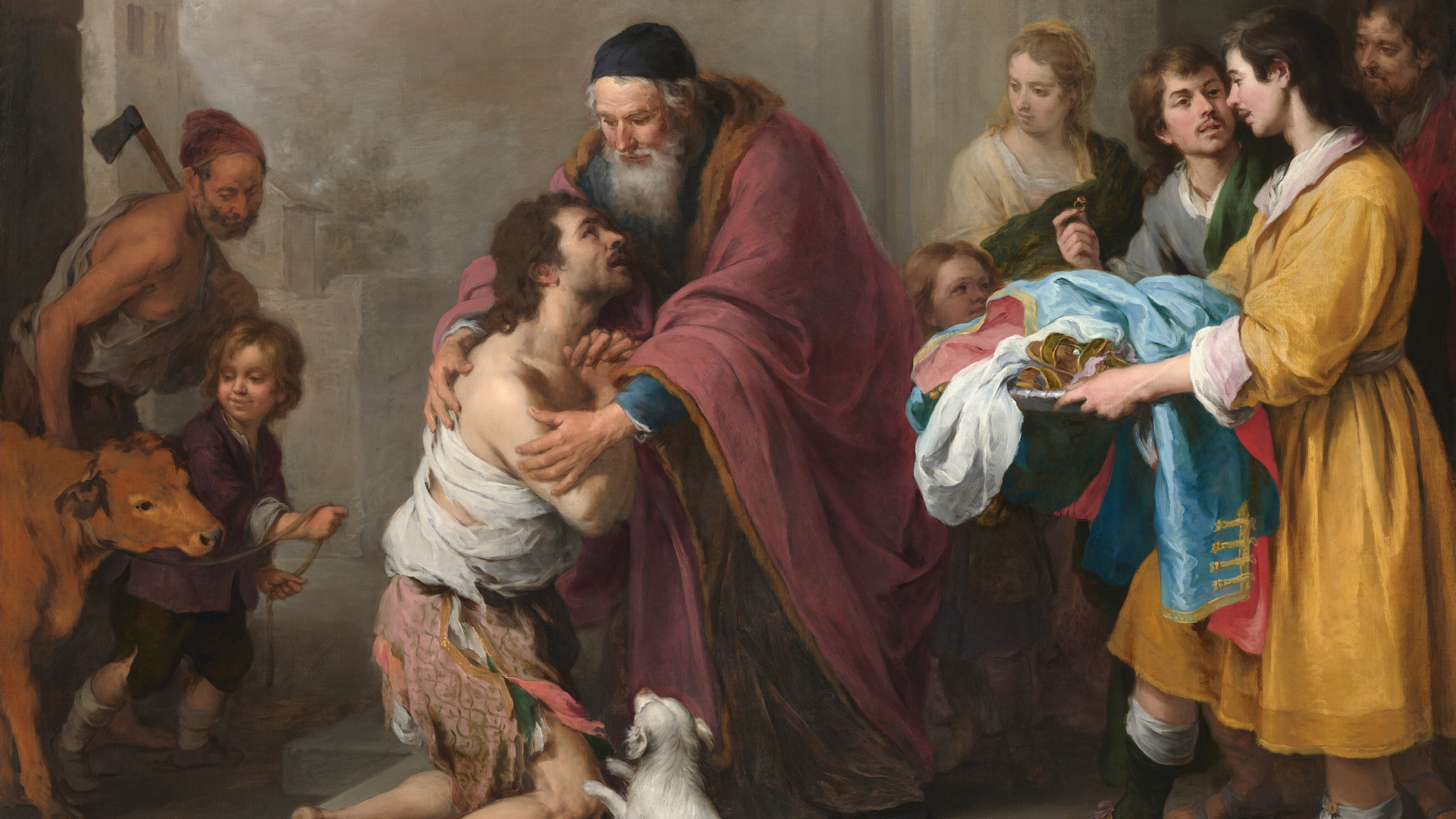
This My Son Was Dead

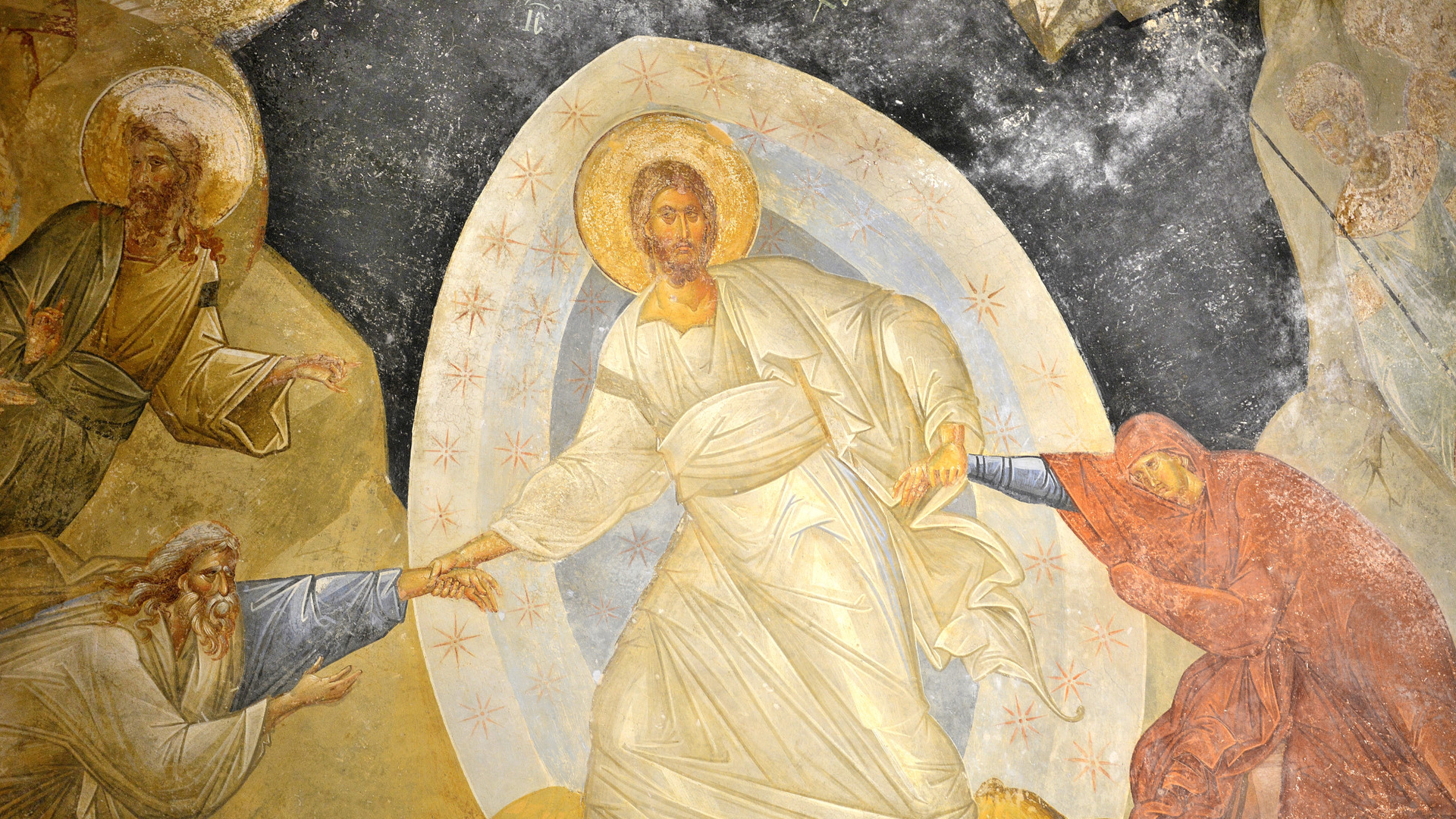
But the father said to his servants, ‘Bring out the best robe and put it on him, and put a ring on his hand and sandals on his feet. And bring the fatted calf here and kill it, and let us eat and be merry; for this my son was dead and is alive again; he was lost and is found.’ And they began to be merry. (Luke 15:22–24)

In Luke chapter 15, Jesus has departed from the Pharisee’s house and continued His journey toward Jerusalem. In chapter 14, Luke concluded the major section on what it means to truly follow Jesus. Now, the focus is on the what true service in the Kingdom of God looks like.

Continue reading

If Anyone Comes to Me

Now great multitudes went with Him. And He turned and said to them, “If anyone comes to Me and does not hate his father and mother, wife and children, brothers and sisters, yes, and his own life also, he cannot be My disciple. And whoever does not bear his cross and come after Me cannot be My disciple. (Luke 14:25–27; NKJV)

In Luke chapter 14, Jesus brings His teaching about following Him full circle. Most of the chapter takes place in the house of a ruler of the Pharisees on the Sabbath. Jesus makes clear that following Him means forsaking the things of the world and wholeheartedly committing to the plans and purposes of God in our lives.

Continue reading

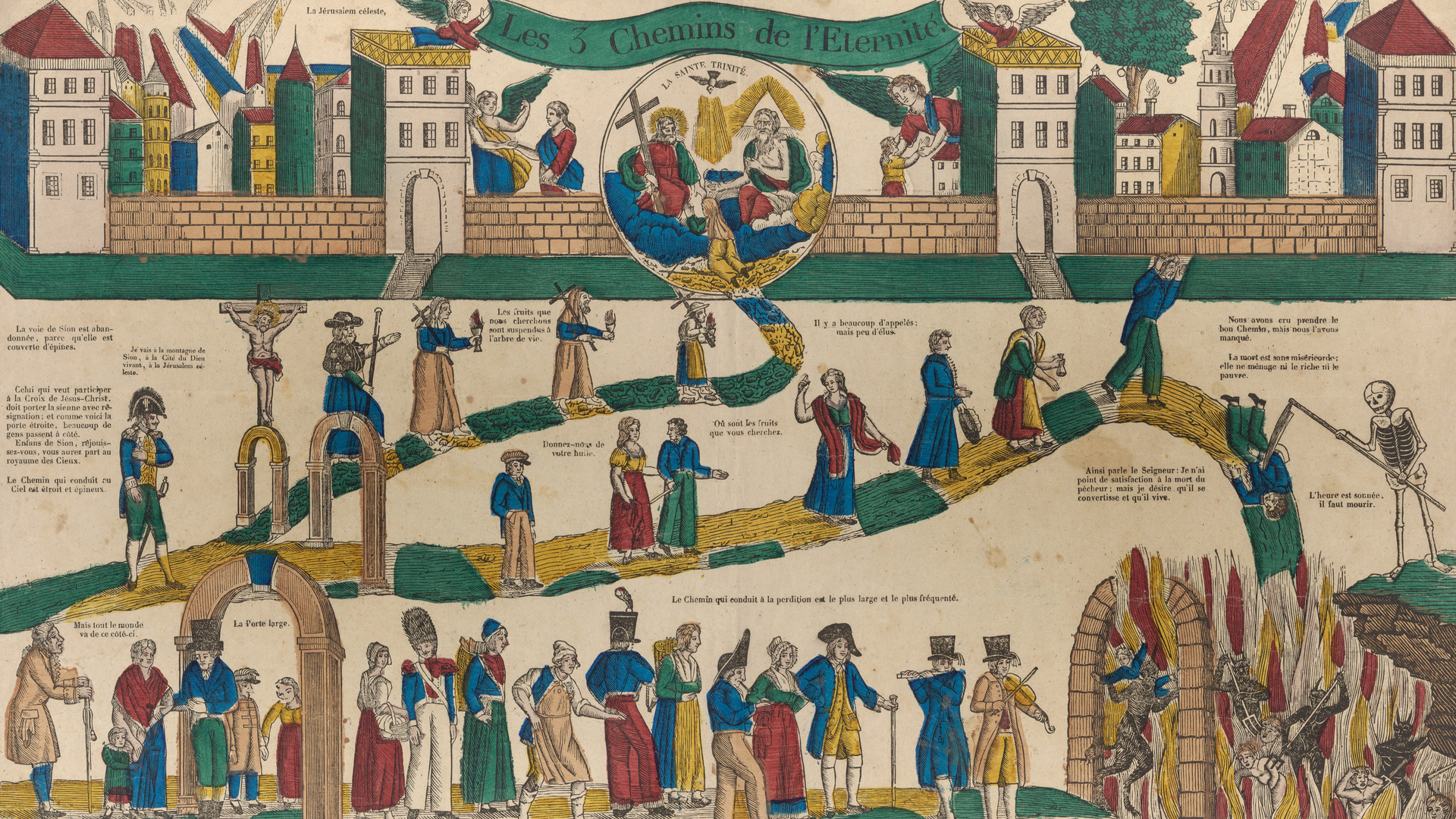
The Narrow Gate

And He went through the cities and villages, teaching, and journeying toward Jerusalem. Then one said to Him, “Lord, are there few who are saved?” And He said to them, “Strive to enter through the narrow gate, for many, I say to you, will seek to enter and will not be able. (Luke 13:22–24; NKJV)

In Luke chapter 13, Jesus continues teaching about what following Him looks like in daily life, focusing on the connection between Kingdom membership and following Him. Jesus makes clear that not everyone who thinks they are a Christian will inherit eternity with Him.

Continue reading

Do Not Worry

Then He said to His disciples, “Therefore I say to you, do not worry about your life, what you will eat; nor about the body, what you will put on. Life is more than food, and the body is more than clothing. Consider the ravens, for they neither sow nor reap, which have neither storehouse nor barn; and God feeds them. Of how much more value are you than the birds? And which of you by worrying can add one cubit to his stature? If you then are not able to do the least, why are you anxious for the rest? (Luke 12:22–26, NKJV)

Much of Jesus’ teaching toward the end of His earthly ministry stressed the same themes He taught earlier in His ministry. We saw this with the question of prayer in Luke 11. We see this again with the issue of worry in Luke 12:22–26. In these verses, Jesus reminds us that His followers do not make worldly provisions and riches our highest priority—our minds and hearts are focused on the plans and purposes of God.

Continue reading

Keep Asking, Seeking, and Knocking

So I say to you, ask, and it will be given to you; seek, and you will find; knock, and it will be opened to you. For everyone who asks receives, and he who seeks finds, and to him who knocks it will be opened. If a son asks for bread from any father among you, will he give him a stone? Or if he asks for a fish, will he give him a serpent instead of a fish? Or if he asks for an egg, will he offer him a scorpion? If you then, being evil, know how to give good gifts to your children, how much more will your heavenly Father give the Holy Spirit to those who ask Him!” (Luke 11:9–13; NKJV)

As Jesus continued his journey to Calvary, he retreated in prayer. When He had finished, one of His disciples asked him to teach them to pray, just as John the Baptist had done for his disciples. Jesus made a habit of retreating from the crowds to pray (e.g., 6:12; 9:18, 28).1 He was a man of prayer, and His disciples desired to emulate His prayer life.

Continue reading