Those Who Are Sick

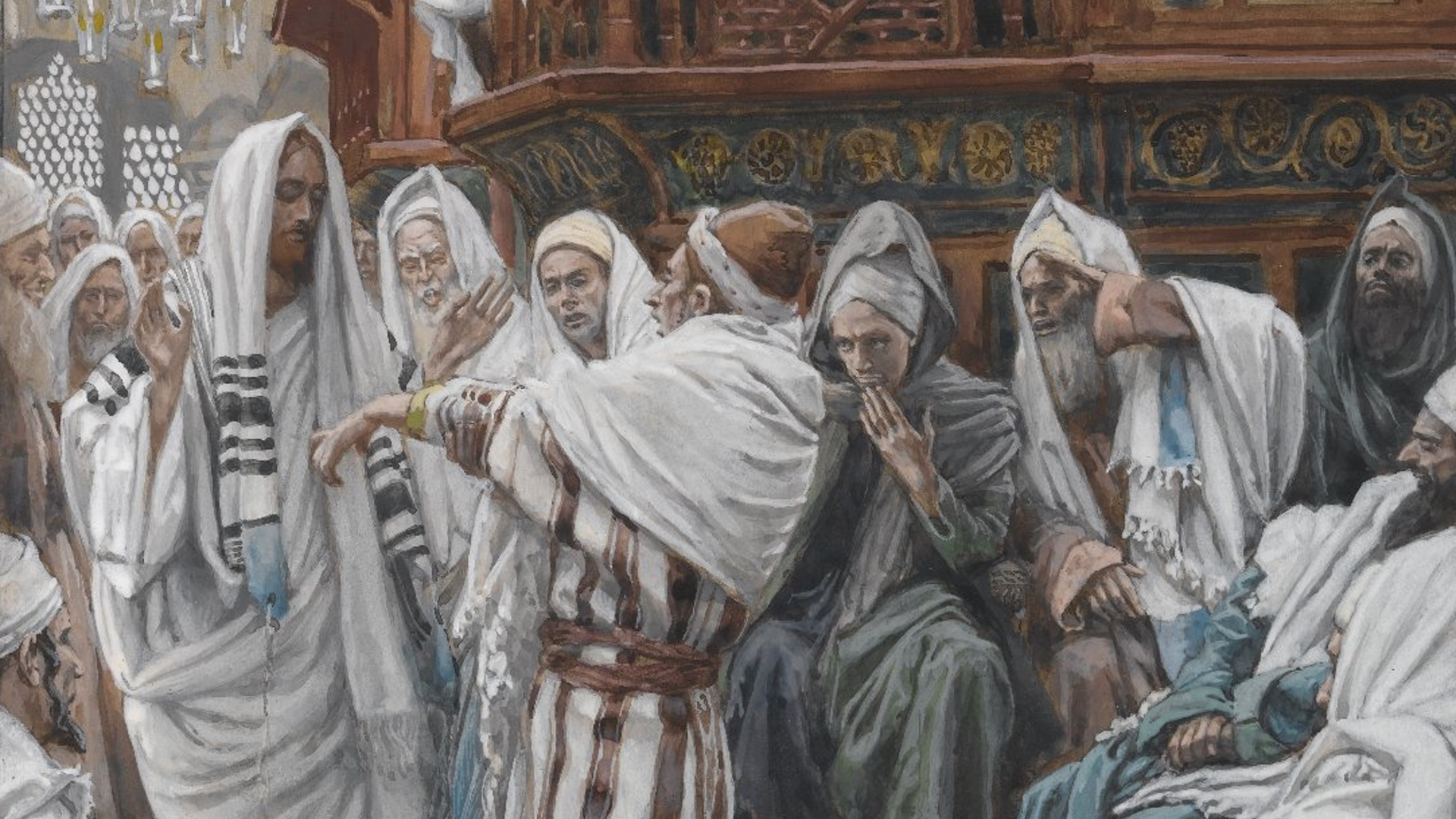
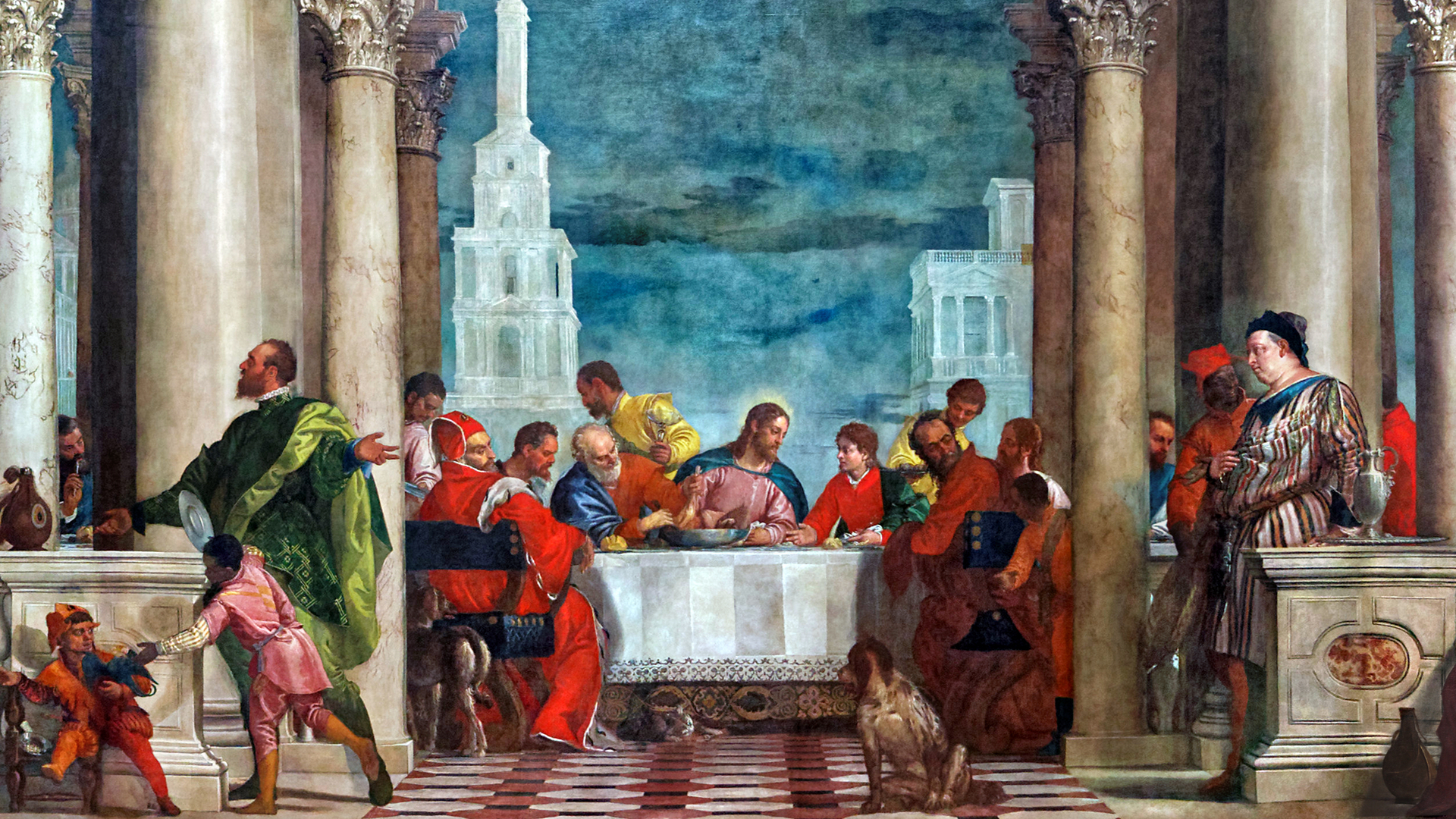
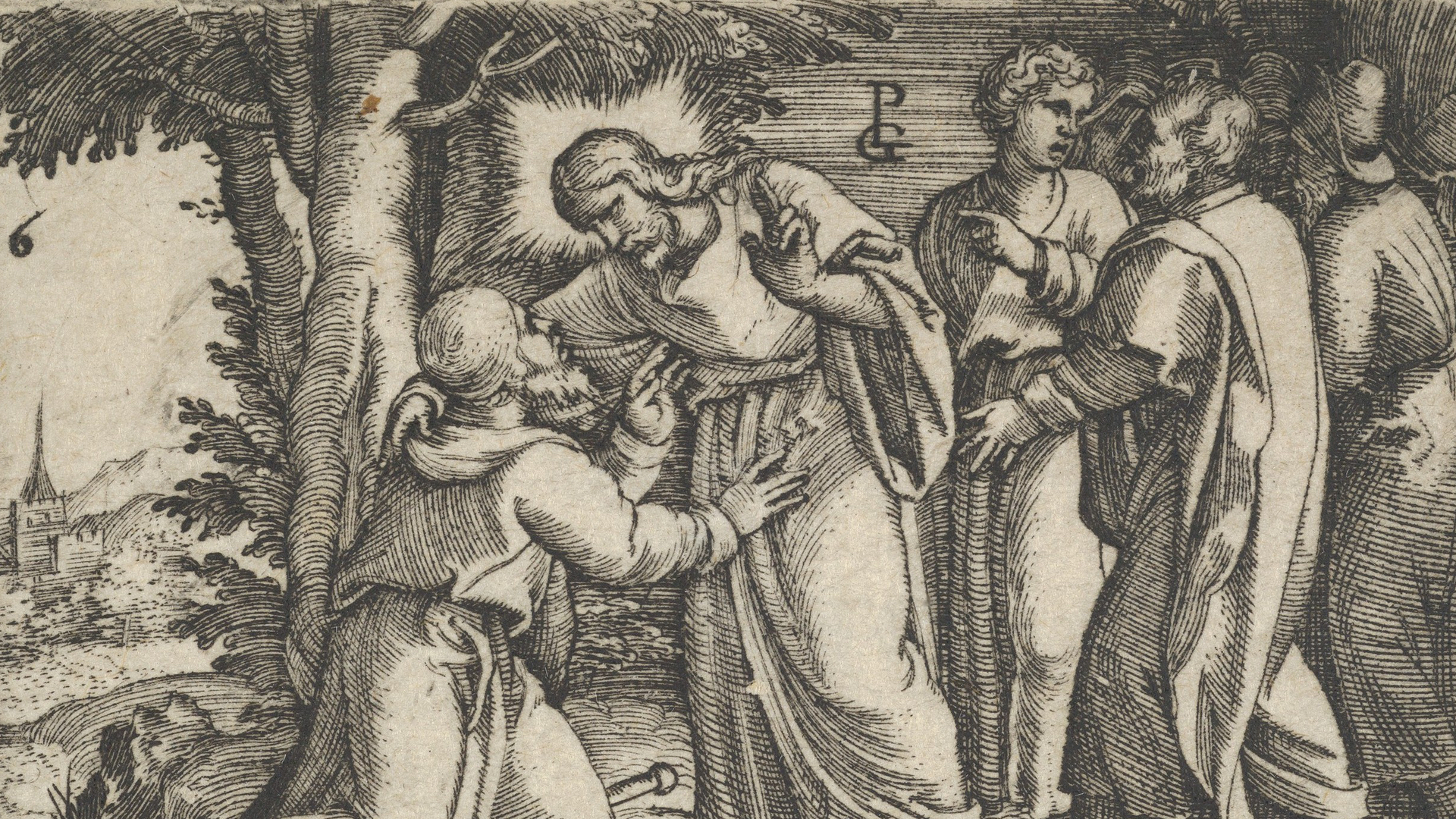
And their scribes and the Pharisees complained against His disciples, saying, “Why do You eat and drink with tax collectors and sinners?” Jesus answered and said to them, “Those who are well have no need of a physician, but those who are sick. I have not come to call the righteous, but sinners, to repentance.” (Luke 5:30–32; NKJV)

One of the curious topics in modern Christianity is the intersection of personal holiness and public witness. Christians are often criticized for being legalistic and prudish when we abstain from certain festivities and observances in Western culture. On the other hand, when Christians do participate in such activities, we are often criticized for adopting pagan culture.

Continue reading

They Were All Amazed

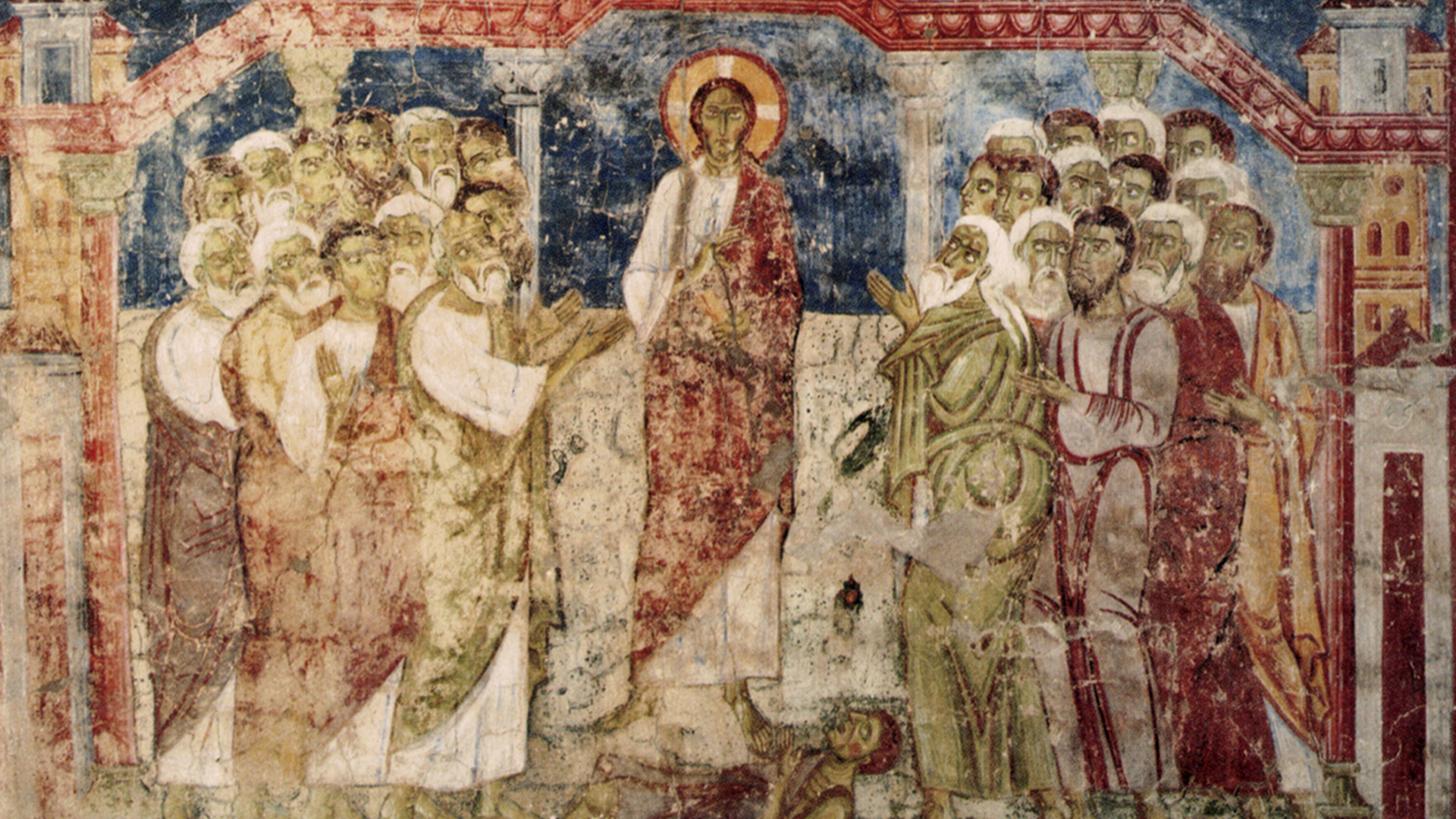
But Jesus rebuked him, saying, “Be quiet, and come out of him!” And when the demon had thrown him in their midst, it came out of him and did not hurt him. Then they were all amazed and spoke among themselves, saying, “What a word this is! For with authority and power He commands the unclean spirits, and they come out.” And the report about Him went out into every place in the surrounding region. (Luke 4:35–37; NKJV)

After Jesus was rejected in His hometown of Nazareth, He went down to Capernaum (Luke 4:31). Nazareth was in the southern rocky hills of “upper Galilee” near the Jezreel Valley.1 Capernaum was roughly twenty miles to the northeast in “lower Galilee,” on the western coast of the Sea of Galilee.2 Jesus going “down to Capernaum” was the local way of describing travel through the terrain of the region from the hills of upper Galilee to the lowland of lower Galilee.

Continue reading

Today This Scripture Is Fulfilled

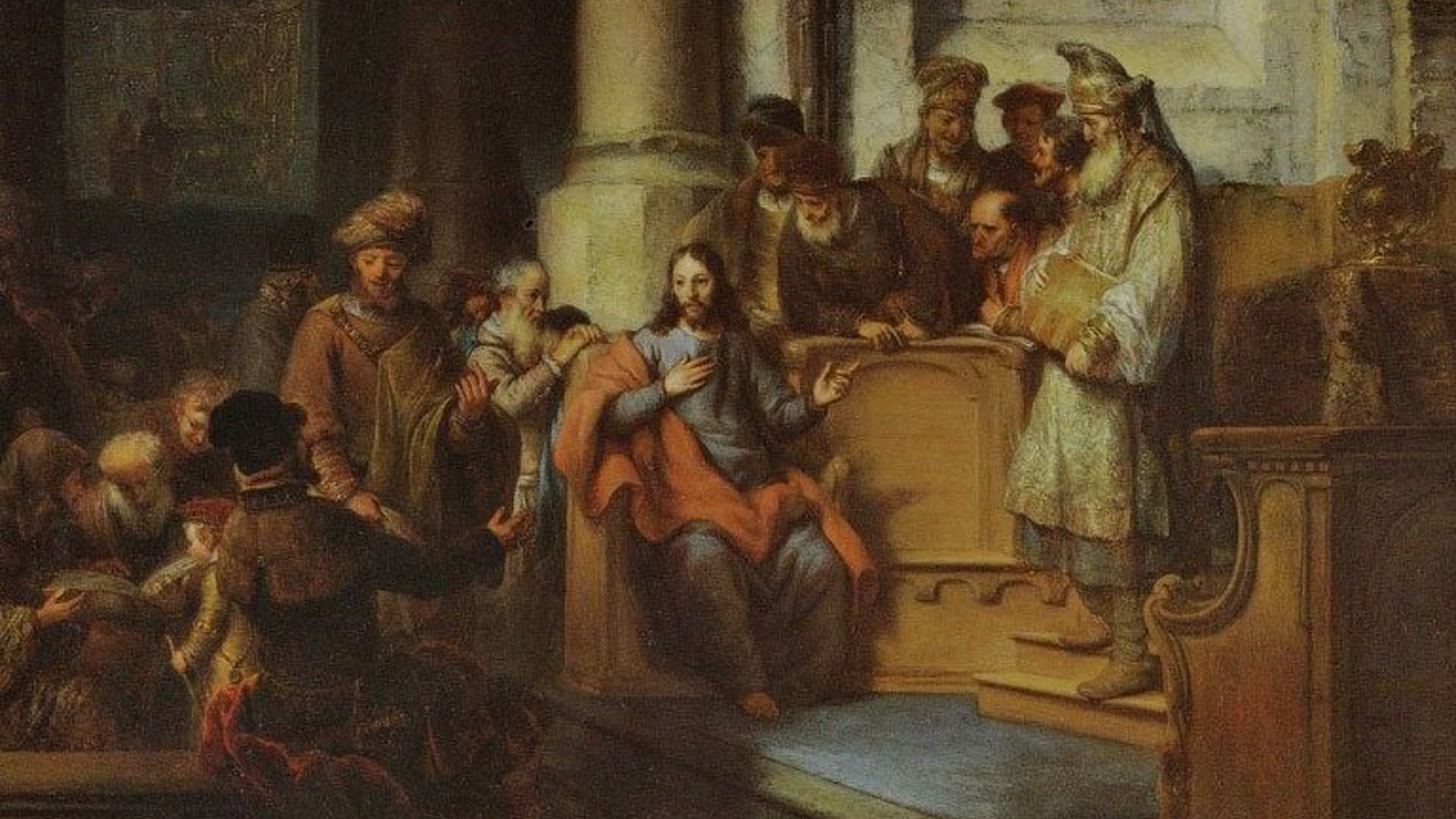
Painting by Gerbrand van den Eeckhout at the National Gallery of Ireland
And He was handed the book of the prophet Isaiah. And when He had opened the book, He found the place where it was written: … Then He closed the book, and gave it back to the attendant and sat down. And the eyes of all who were in the synagogue were fixed on Him. And He began to say to them, “Today this Scripture is fulfilled in your hearing.” (Luke 4:17, 20–21; NKJV)

One of the major themes in the Gospel of Luke is fulfillment. Luke explains this focus in the introduction to his gospel account. In these verses, we see Luke emphasizing that theme in the beginning of Jesus’ earthly ministry.

Continue reading

What Is Worship?

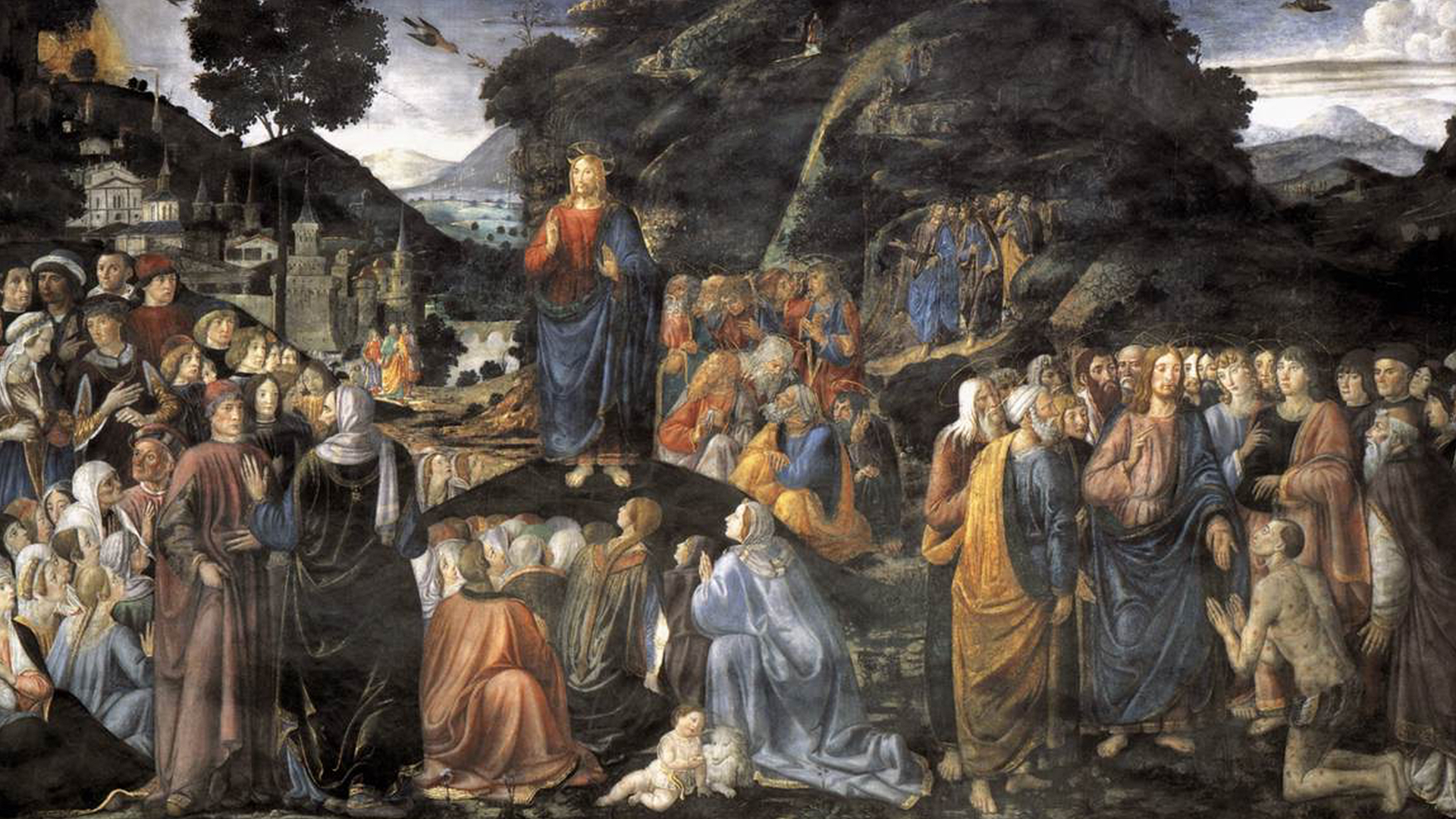
When He had come down from the mountain, great multitudes followed Him. And behold, a leper came and worshiped Him, saying, “Lord, if You are willing, You can make me clean. Then Jesus put out His hand and touched him, saying, “I am willing; be cleansed.” Immediately his leprosy was cleansed. (Matt 8:1–3; NKJV)

Worshipping God is a core value in Christianity and a prominent topic in the modern church. There are a lot of different ideas about what worship means and how it looks. Is worship music, or lifestyle, both, or something else? Are there any boundaries for dress, music, preaching, and other modes of expression? If so, what are they and why? If not, why not?

Continue reading

Into the Wilderness

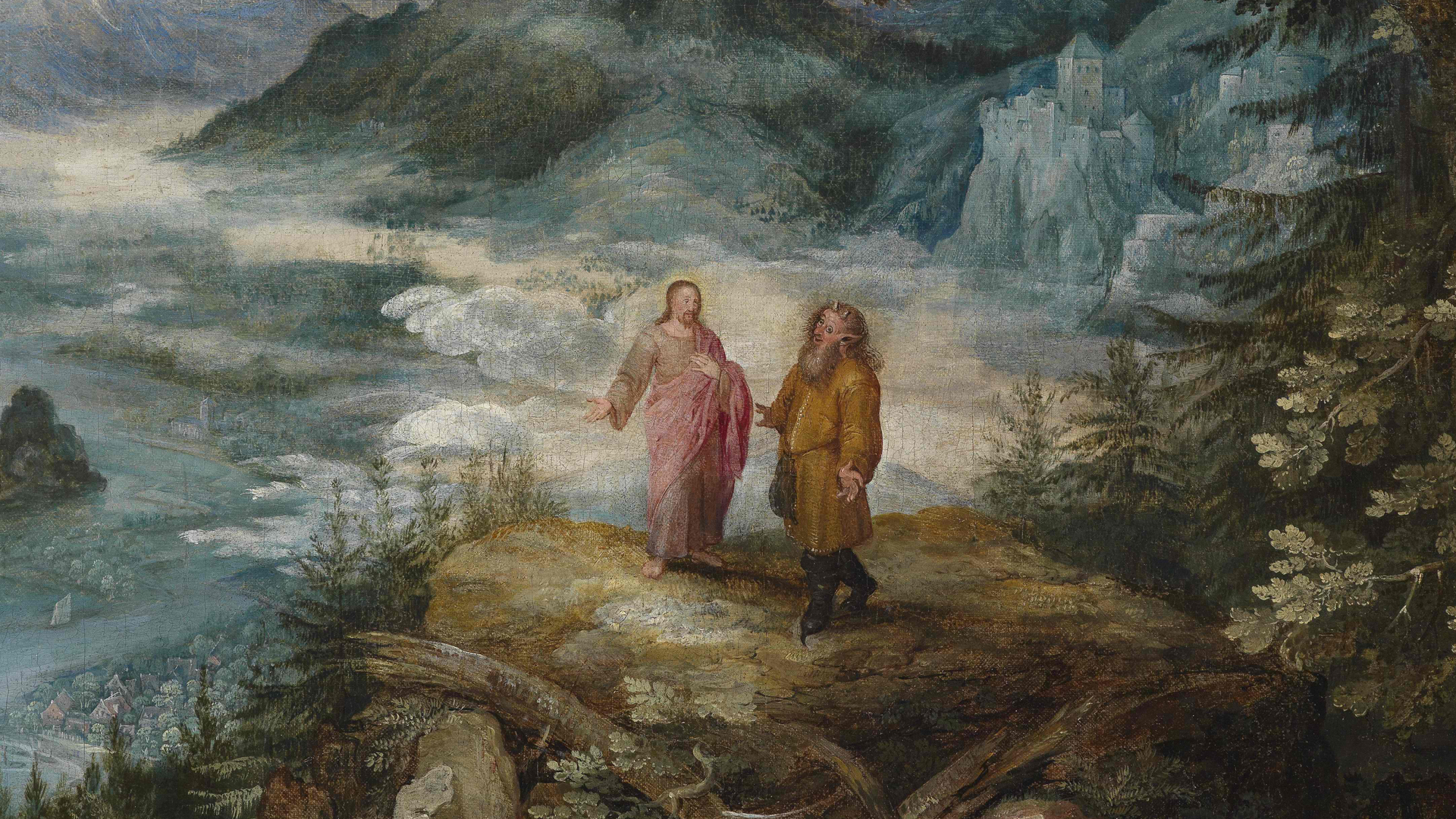
Then Jesus, being filled with the Holy Spirit, returned from the Jordan and was led by the Spirit into the wilderness, being tempted for forty days by the devil. And in those days He ate nothing, and afterward, when they had ended, He was hungry. (Luke 4:1–2; NKJV)

After Jesus’ baptism by John in the Jordan, the Holy Spirit led Jesus into the wilderness, where He endured temptation for 40 days.

Continue reading

You Are My Beloved Son

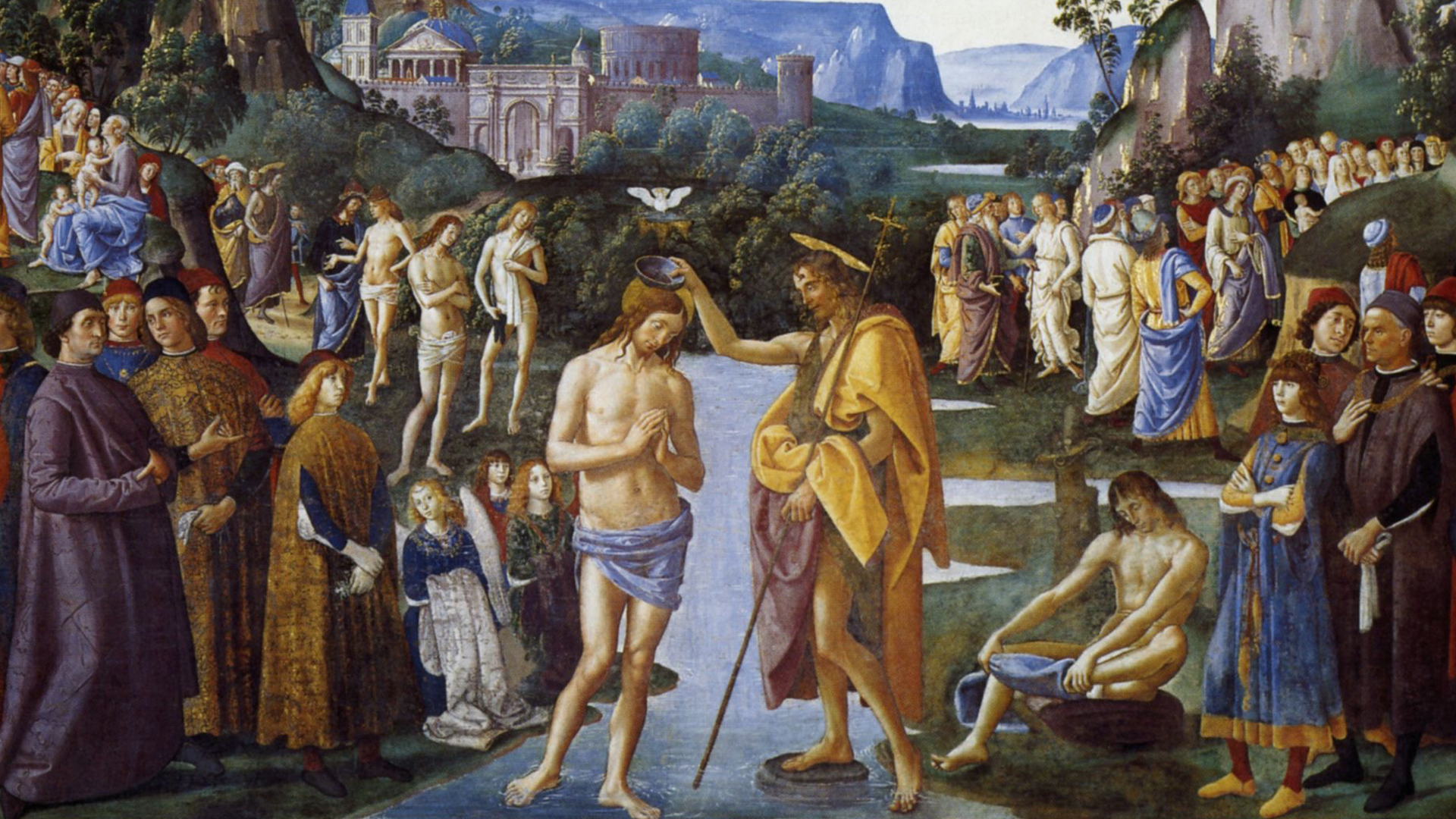
When all the people were baptized, it came to pass that Jesus also was baptized; and while He prayed, the heaven was opened. And the Holy Spirit descended in bodily form like a dove upon Him, and a voice came from heaven which said, “You are My beloved Son; in You I am well pleased.” (Luke 3:21–22; NKJV)

One of the many puzzling events during Jesus’ earthly ministry was His baptism by John in the Jordan. In my last post, we saw that John’s baptism signified the person’s renouncing their sin and turning toward God to receive God’s forgiveness of their sin. This raises the question, why did Jesus get baptized? Did He, too, need forgiveness for His sins?

Continue reading

The Remission of Sins

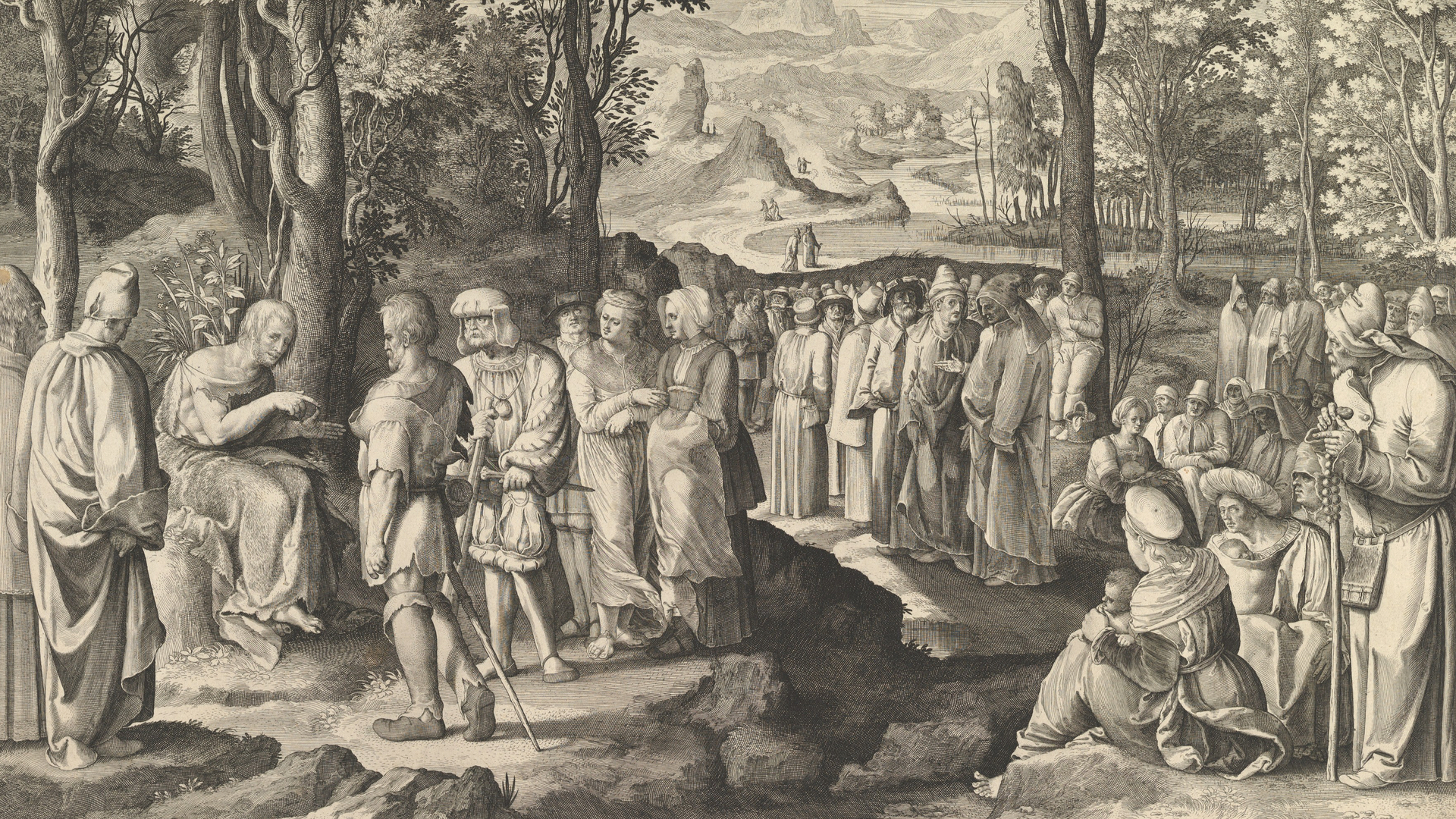
The word of God came to John the son of Zacharias in the wilderness. And he went into all the region around the Jordan, preaching a baptism of repentance for the remission of sins. (Luke 3:2–3; NKJV)

God fulfilled His promise to Zacharias. The Holy Spirit was upon John, and now “the Word of God came to John” in a mighty way. Luke does not tell us how the Word of God came upon him. But the message John preached reveals at least some of what this Word of God to John contained. It was the message of repentance for the remission of sins and the announcement that Israel’s Messiah was coming very soon (vv. 15–17).

Continue reading

God Remains with You

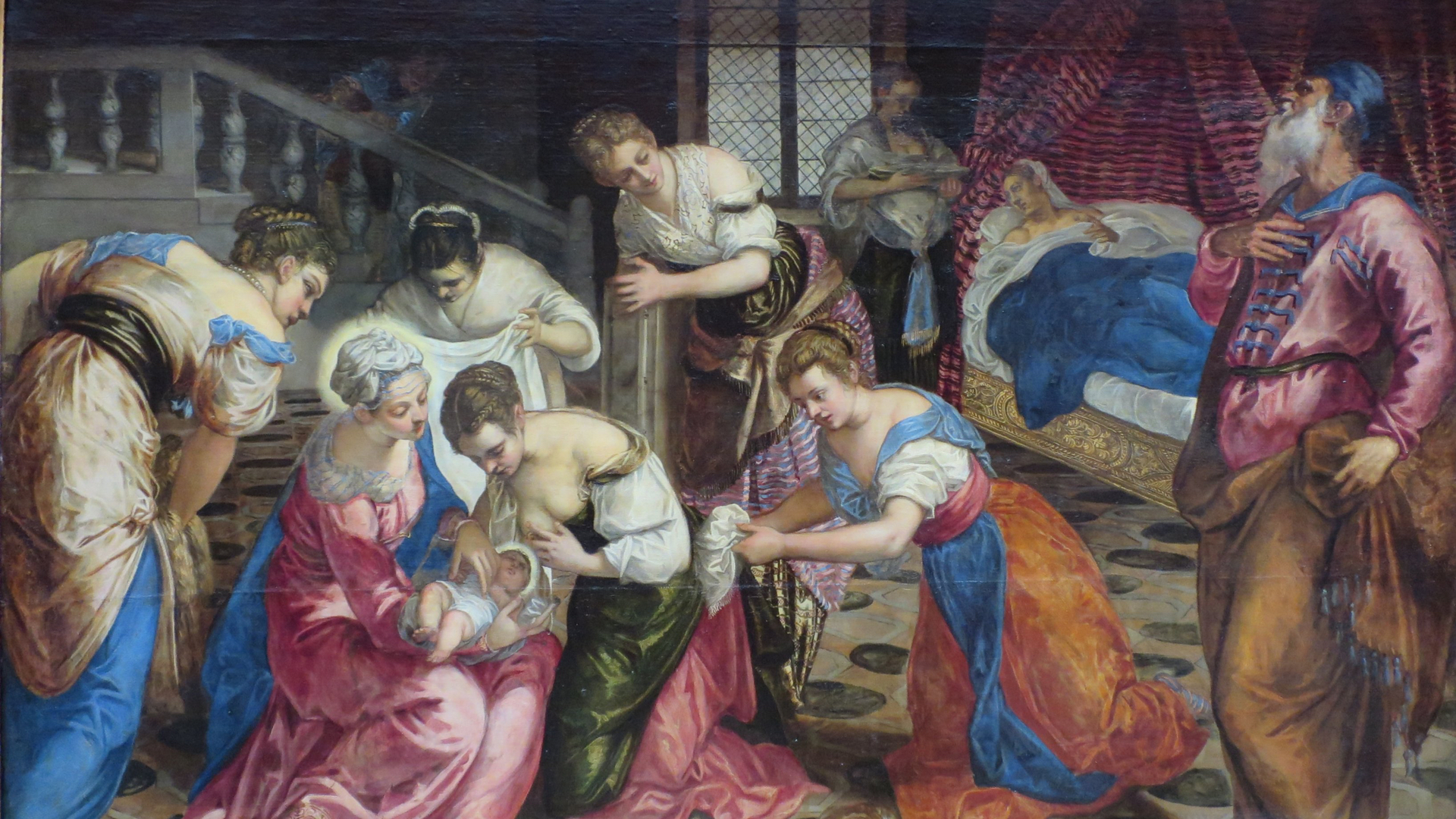
Immediately his mouth was opened and his tongue loosed, and he spoke, praising God. Then fear came on all who dwelt around them; and all these sayings were discussed throughout all the hill country of Judea. And all those who heard them kept them in their hearts, saying, “What kind of child will this be?” And the hand of the Lord was with him. (Luke 1:64–66; NKJV)

Have you ever felt distant from God? Maybe you stumbled into sin, doubted His call, or fell victim to evils in the world. Regardless of our circumstances and how we feel about how close God is, Zacharias reminds us that when God calls us His own, then He remains with us.

Continue reading

God Regards the Lowly

And Mary said:
“My soul magnifies the Lord,
And my spirit has rejoiced in God my Savior.
For He has regarded the lowly state of His maidservant;
For behold, henceforth all generations will call me blessed.

(Luke 1:46–48; NKJV)

How do you respond when God changes the direction of your life? When He upends your carefully laid plans? Change is hard. It’s often chaotic and stressful as well. Mary’s response shows us how God designed us to respond to His moving in our lives—humbly trusting Him to plan our way, protect us, and provide for us as we find our joy and peace in Him.

Continue reading

Trusting in God’s Promises

Then Mary said to the angel, “How can this be, since I do not know a man?” And the angel answered and said to her, “The Holy Spirit will come upon you, and the power of the Highest will overshadow you; therefore, also, that Holy One who is to be born will be called the Son of God. … Then Mary said, “Behold the maidservant of the Lord! Let it be to me according to your word.” And the angel departed from her. (Luke 1:34–35, 38; NKJV)

One of the interesting things we find reading through books of the Bible is seeing how different passages relate to each other. For example, God often places narratives side-by-side to highlight key ideas (called parallelism). Luke wrote the narratives of Zacharias and Mary in this way, highlighting the idea of trusting in God and His promises.

Continue reading