Three Takeaways from Genesis

Last week I finished reading through the book of Genesis. Genesis is the first book of the Bible. It has been called “the book of beginnings,” because it describes the beginning of Creation, humankind, sin, salvation, Israel, and many other important themes woven throughout Scripture.1 Here are my three main takeaways from this read through Genesis.

1. God created us to live by faith. When God created Adam and Eve, He gave very few instructions, one clear boundary, and one warning about violating that boundary. God did not dictate Adam and Eve’s every thought and action. Instead, God invited them to trust Him with their lives. And when they ate the fruit of the tree of the knowledge of good and evil, they chose to trust their own feelings instead of God, and thus rebelled against their Creator (Genesis 3:6).

The theme of faith is woven throughout the tapestry of Genesis. Abel offered a sacrifice by faith, Noah built the ark, Abraham left his homeland, Sarah conceived at an advanced age and gave birth to Isaac, Jacob blessed Joseph’s sons, and Joseph prophesied Israel’s return from Egypt (Heb 11:4–22). God gave only a few clear instructions to the Patriarchs while inviting them to trust Him with their lives and livelihoods.

We all live daily by faith in many ways. We go to bed believing we will wake the next day and the sun will rise in the morning. We wake in the morning believing our senses accurately depict the world. We get into a vehicle believing it will start, run properly, and other drivers will drive competently. We work believing our employers and clients will compensate us for our labor.

It’s not a matter of if we live by faith, but who or what we put our faith in. But is anyone or anything truly deserving of our faith? People frequently let us down. We let them down, too. And nothing in Creation is self-sustaining—every physical thing will eventually break down or wear out.

But there is One who transcends Creation, whose character is unchanging and existence spans eternity. Scripture tells us that our triune God upholds and sustains all things through Jesus Christ the Son (Colossians 1:15–17). And God created us to pursue a life of actively trusting our moments, circumstances, and eternity to Him.

The application of this idea is twofold: 1. Have I trusted Jesus to save me from my sin and give me eternal life with Him? 2. If so, am I looking daily to Jesus as Lord of my life? If the answer to either of those questions is no, then ask yourself, why not? If the answer to both questions is yes, receive and live in the fullness of joy that comes from an ongoing relationship with Jesus (John 15:1–11)!

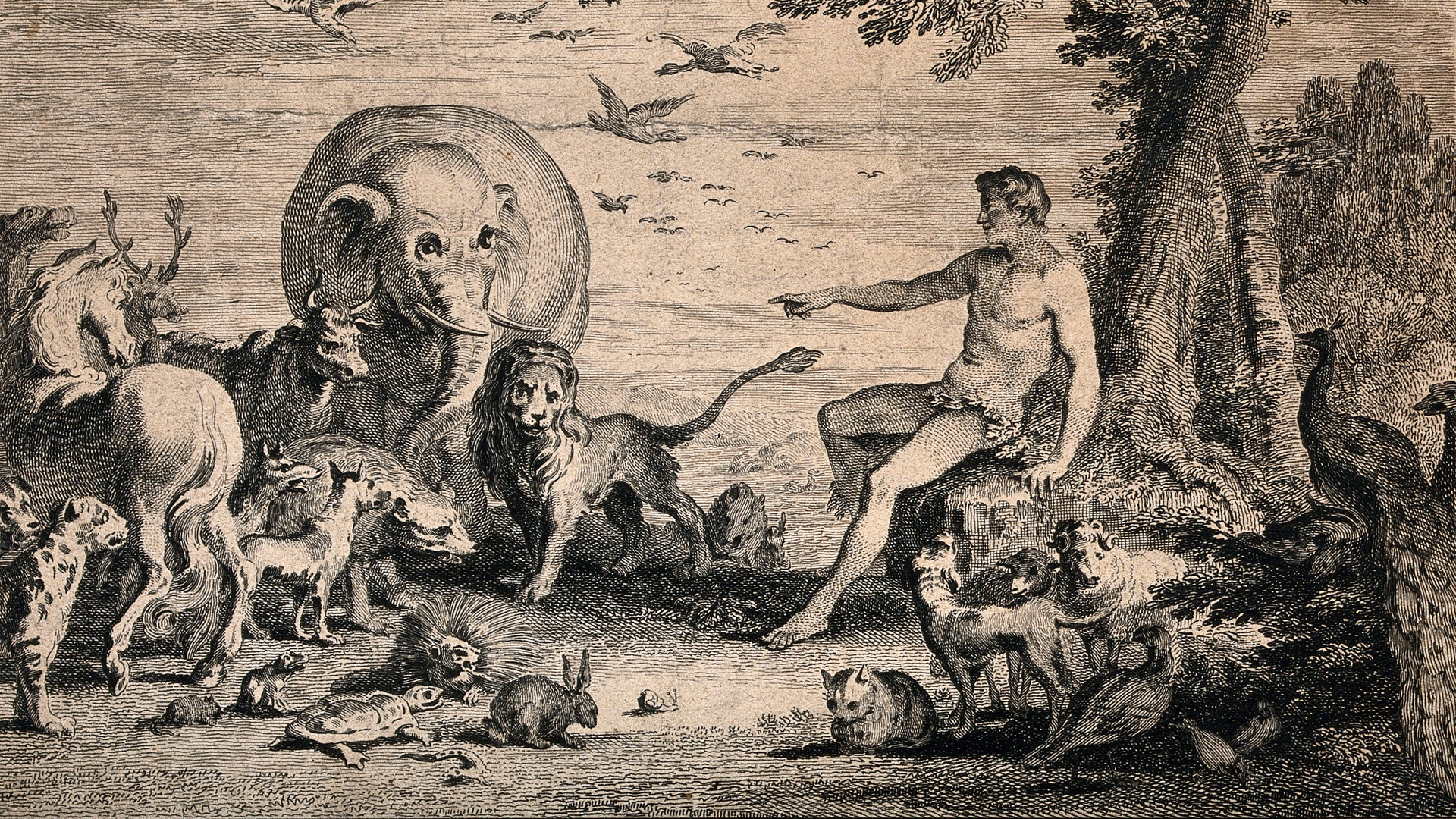
2. God created us to thrive in relationship. In Genesis 2:18–25, God paraded the animals in front of Adam. Adam named the animals and discovered none of the animals were like him. Adam was alone, and his solitude was the first detail of Creation that God said was “not good” (v. 18). So, after Adam understood his solitude, God caused him to sleep and created the woman, Eve, as a suitable companion to Him.

It is significant that God made Eve from Adam’s side. He didn’t make Eve from Adam’s head, to rule over him. And God didn’t make Eve from Adam’s feet, to be ruled by him. God designed men and women to live as complementary equals in God-honoring, lifelong unions (Matthew 19:1–12). And from these unions God intended for Adam and Eve, though the act of procreation, to fill the world with people living in gracious, loving relationships with one another (Genesis 1:28; Romans 12:19–21).

Relationships are hard work. For one, our sinfulness compels us to put our own wants above the needs of others. Second and related, our sinfulness compels us to demand from others what God hasn’t provided or empowered them to give. And how quickly we abuse or neglect others when they don’t serve our every wish! Sadly, I have seen these sinful patterns plague marriages and the church just as much as secular workplaces and the world.

How do we apply this truth in a sinful world? Three ideas come to mind: 1. Acknowledge that God created us to live in relationship with Himself and others. 2. Acknowledge God’s design for each of those relationships—faith-filled devotion toward God and gracious love toward others. 3. Pray and study the Bible asking God to give you wisdom to live out God’s design in your own relationships with Him and others.

3. God created us to care for Creation. When God created humankind, He created us in ways that made us unique among all living creatures. First, He made us in His image and likeness (Genesis 1:26a). Second, He gave us dominion over all the other living creatures (Genesis 1:26b). Third, He instructed us to exercise that dominion by cultivating the earth so the plants produce food (Genesis 1:29–30; 2:15).

What does this teach us about God’s design for humankind? Of all the living creatures, humans alone are image-bearers of God. Biologically, we might fit a specific category of the animal kingdom, but God has made us uniquely different from all other living creatures for a purpose. These differences—including consciousness, and morality, and spirituality—enable us to exercise authority over Creation while also making us accountable to God for how we use that authority.

Creation is a gift from God teeming with life and resources. God has empowered us to shepherd those lives and cultivate those resources for His glory and for the good of all living creatures. He will hold us accountable to that. When we abuse and neglect living creatures, and waste and destroy the earth, we are sinning against God and His Creation.

Application of this idea can be very challenging. Here are two questions that will help develop a godly mindset toward Creation: 1. Is this action honoring to God, Creation, other people, and myself? 2. Do I expect this action to result in longterm harm to Creation, other people, or myself? If the answer to either of those questions is yes, then there is a good reason to pause and prayerfully consider if the action is truly aligned with God’s good purposes for the world and our lives.

Closing. In Genesis, God introduces us to His design for Creation, how that design went off-track, and how we can rediscover God’s design in our own lives. God’s design for humankind is woven throughout Genesis: God created us to live by faith, to thrive in relationship, and to care for Creation. Do you want to discover God’s design for your own life? I encourage you to begin by trusting Him with your eternity and in your daily life, seeking out gracious, loving relationships that point you toward Jesus, and adopting a God-honoring mindset toward Creation and others.

Notes

  1. Allen P. Ross, “Genesis,” in The Bible Knowledge Commentary: An Exposition of the Scriptures: Old Testament, ed. John F. Walvoord and Roy B. Zuck (Wheaton, IL: Victor Books, 1985), 15. Logos Bible Software.

What Is Worship?

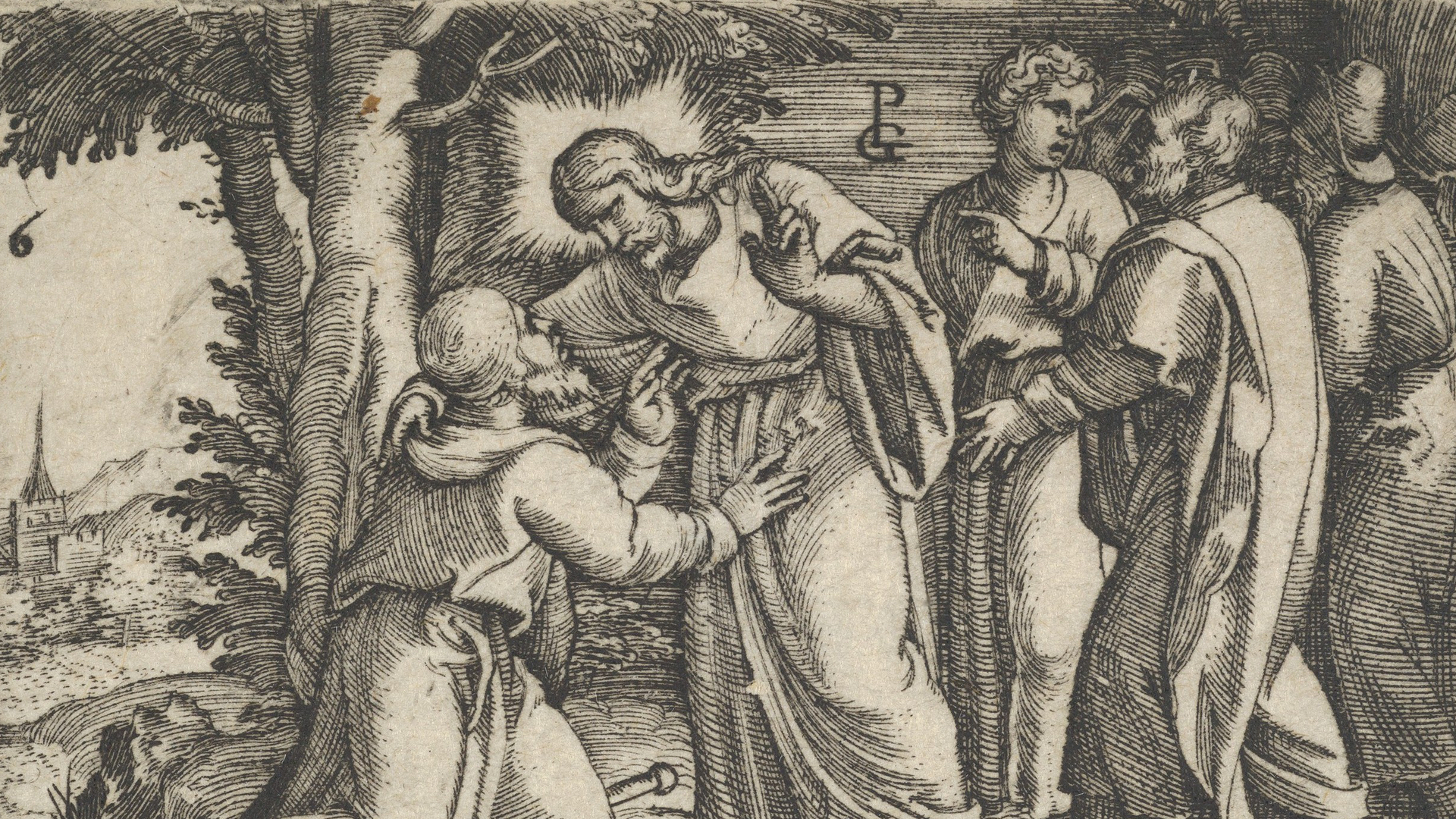
When He had come down from the mountain, great multitudes followed Him. And behold, a leper came and worshiped Him, saying, “Lord, if You are willing, You can make me clean. Then Jesus put out His hand and touched him, saying, “I am willing; be cleansed.” Immediately his leprosy was cleansed. (Matt 8:1–3; NKJV)

Worshipping God is a core value in Christianity and a prominent topic in the modern church. There are a lot of different ideas about what worship means and how it looks. Is worship music, or lifestyle, both, or something else? Are there any boundaries for dress, music, preaching, and other modes of expression? If so, what are they and why? If not, why not?

Continue reading

The Parable of the Fig Tree

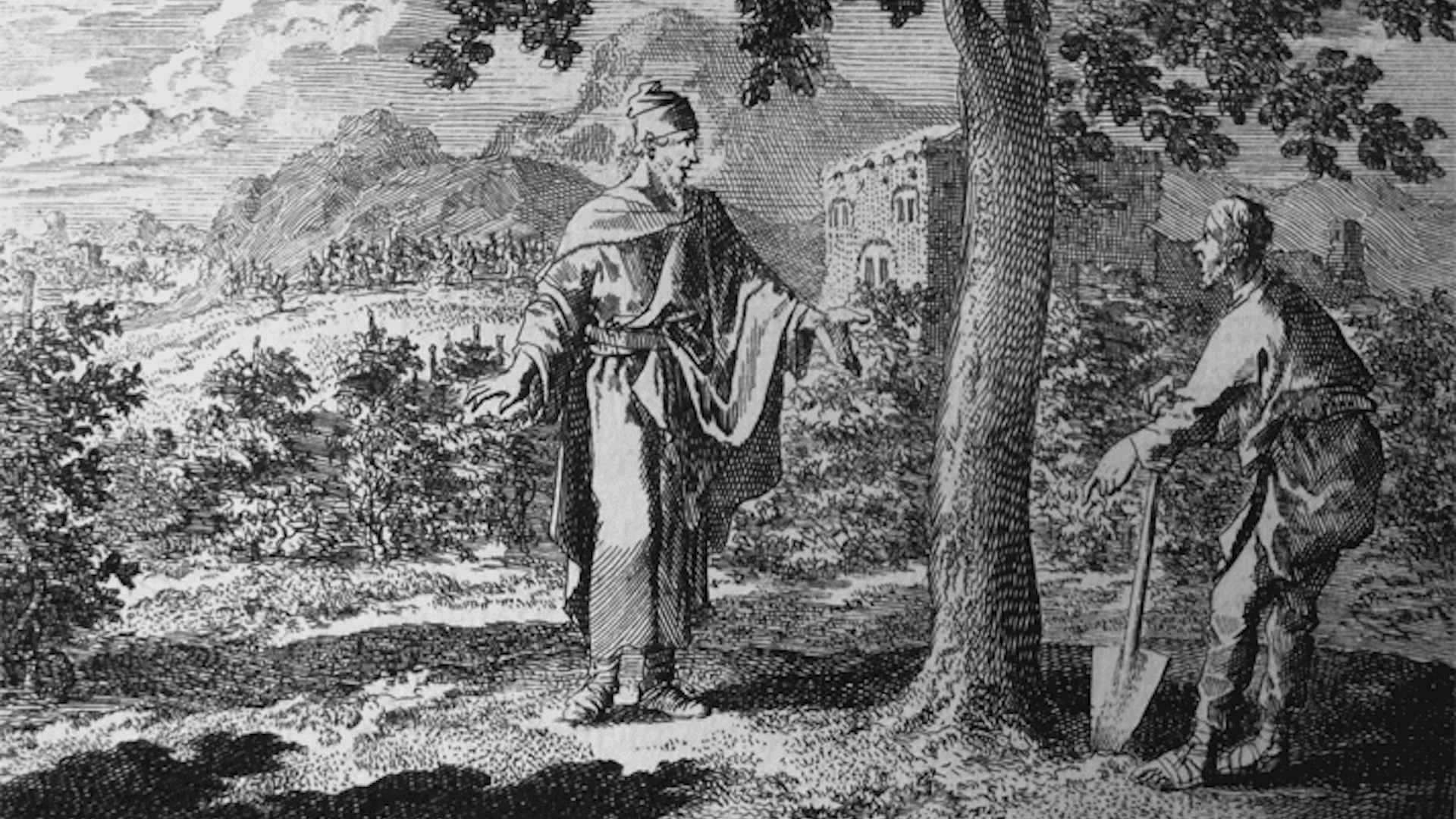
He also spoke this parable: “A certain man had a fig tree planted in his vineyard, and he came seeking fruit on it and found none. Then he said to the keeper of his vineyard, ‘Look, for three years I have come seeking fruit on this fig tree and find none. Cut it down; why does it use up the ground?’ But he answered and said to him, ‘Sir, let it alone this year also, until I dig around it and fertilize it. And if it bears fruit, well. But if not, after that you can cut it down.’ ” (Luke 13:6–9; NKJV)

The Parable of the Fig Tree is an important message about Israel, repentance, and receiving Jesus. But before we can understand what it means, we need to look at its context.

Continue reading

Bible Word Study on ‘Hope’

Hope is an important idea in the Bible. David’s hope in God was cause for gladness and rejoicing (Ps 16:8–11). Matthew points to Jesus as the fulfillment of Isaiah’s prophecy concerning the Gentile’s hope (Matt 12:21). And Paul’s hope in God included resurrection to eternal life (Acts 24:15). The goal of this study is to better understand the overall sense of hope in the Bible as a basis for future studies.

Continue reading

‘Baptism’ in the New Testament

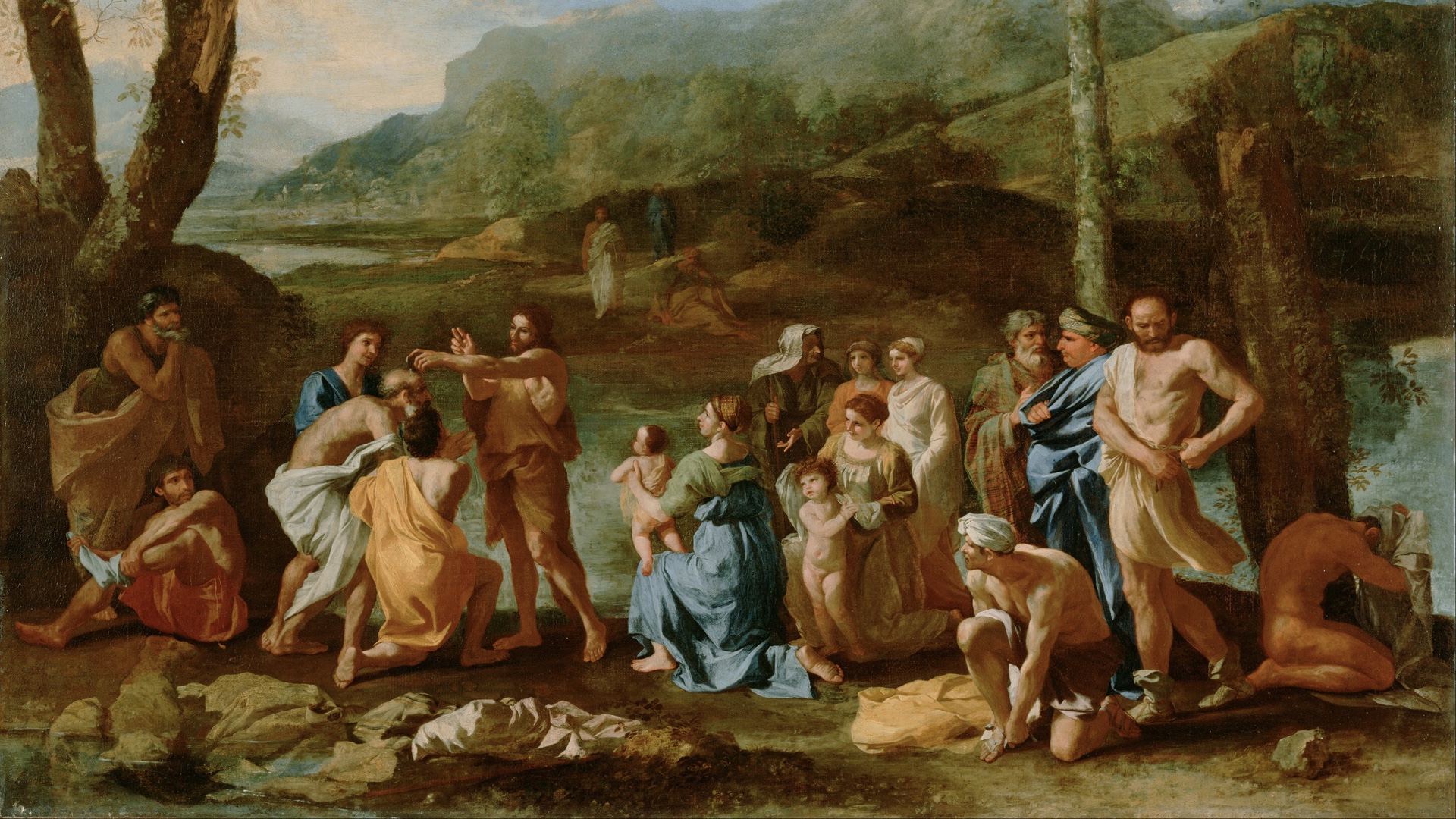
I indeed baptize you with water unto repentance, but He who is coming after me is mightier than I, whose sandals I am not worthy to carry. He will baptize you with the Holy Spirit and fire. (Matt 3:11; NKJV)

Water baptism is an ancient and enduring Christian tradition. Through the centuries, churches have come to understand and practice baptism differently, sometimes breaking fellowship over it. What is baptism? What does the Bible say about baptism? Any biblical doctrine of baptism must begin by answering these questions. Let’s dig in.

Continue reading

How to Study the Bible

How sweet are Your words to my taste,
Sweeter than honey to my mouth!
Through Your precepts I get understanding;
Therefore I hate every false way.

(Psalm 119:103–104; NKJV)

In a recent post, I explained why studying the Bible is important. But, as I mentioned, the Bible is a large collection of books written long ago in far-away places covering a wide range of topics. Where do you start? What is the goal? How do you do it? Here is a basic introduction to how I do Bible study.

Continue reading

Why Study the Bible?

Be diligent to present yourself approved to God, a worker who does not need to be ashamed, rightly dividing the word of truth. But shun profane and idle babblings, for they will increase to more ungodliness. And their message will spread like cancer. (2 Timothy 2:15–17; NKJV)

Since the earliest days of Christianity, believers have not only read the Bible, but also committed themselves to studying it. Two thousand years of study have brought quite a lot of diverse and detailed viewpoints. But why study the Bible at all? Isn’t the Bible simple enough for even a child to understand? And haven’t theologians figured it all out by now? Let’s dive in.

Continue reading

How to Read the Bible

I will meditate on Your precepts,
And contemplate Your ways.
I will delight myself in Your statutes;
I will not forget Your word.

(Psalm 119:15–16; NKJV)

In my last post, I explained how reading the Bible is relevant today. But the Bible is a unique collection of books written by multiple authors, on multiple continents, spanning two millennia, and including several different styles of writings. How do you read a book like that? What approaches are helpful? Where do you start? Here are some suggestions.

Continue reading

Why Read the Bible?

We have the prophetic word confirmed, which you do well to heed as a light that shines in a dark place, until the day dawns and the morning star rises in your hearts; knowing this first, that no prophecy of Scripture is of any private interpretation, for prophecy never came by the will of man, but holy men of God spoke as they were moved by the Holy Spirit. (2 Peter 1:19–21; NKJV)

For nearly 2000 years, the Bible has been a source of comfort, wisdom, and hope for Christians around the world. But the modern West has grown increasingly opposed to the Bible, seeing it as outdated and irrelevant for modern life. Is the Bible relevant? Does it have any value today? Let’s take a look.

Continue reading

The Deity of the Son

But Jesus answered them, “My Father has been working until now, and I have been working.” Therefore the Jews sought all the more to kill Him, because He not only broke the Sabbath, but also said that God was His Father, making Himself equal with God. (John 5:17–18; NKJV)

One of the most popular criticisms of the doctrine of the Trinity is that Jesus never claimed to be God. The implied conclusion is, if Jesus never claimed to be God, then He is not God. Is this claim valid? Does does it stand up when tested according to the Scriptures? Let’s get to it.

Continue reading