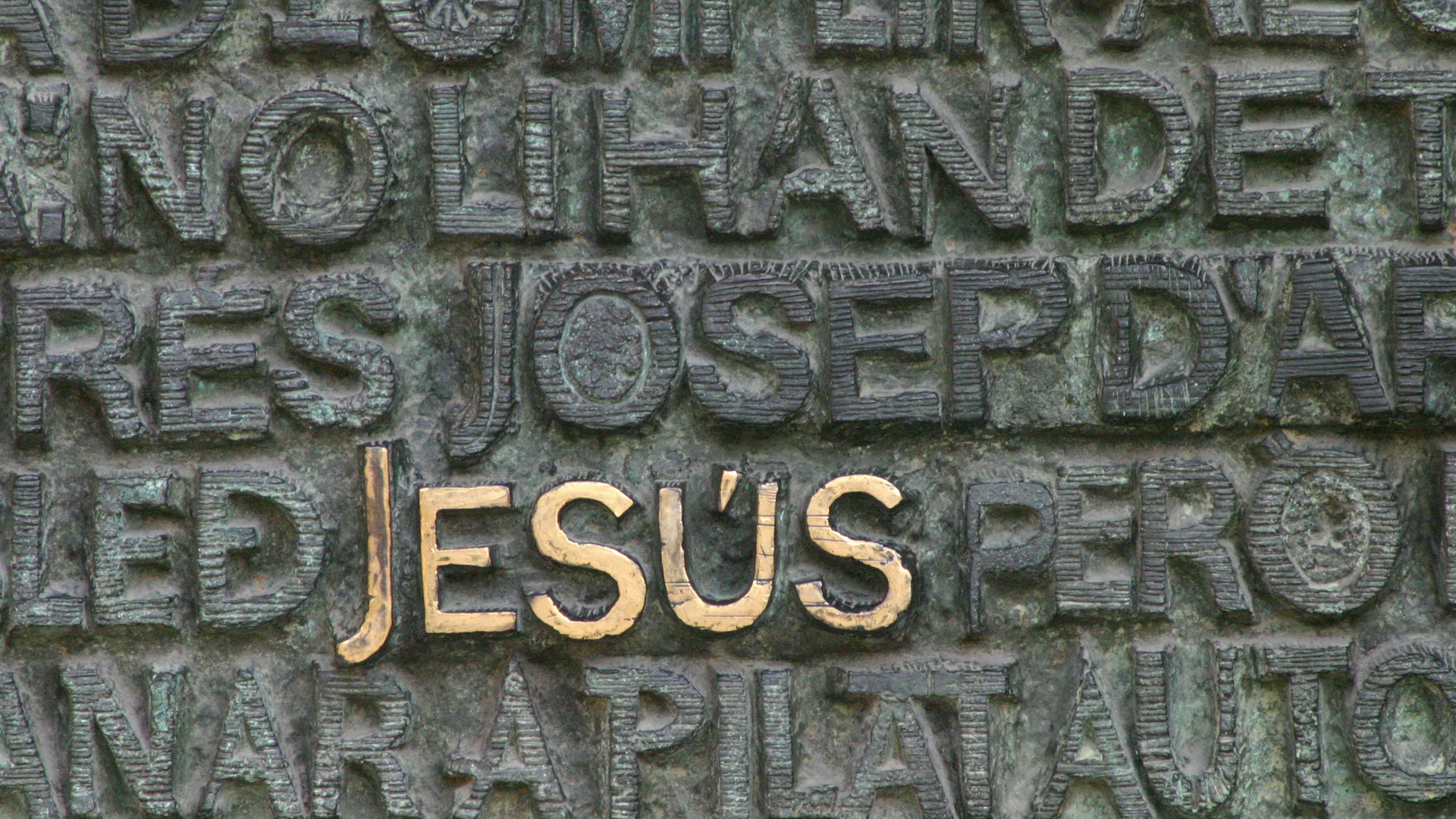
The Central Claim of Christianity

Now those who were scattered after the persecution that arose over Stephen traveled as far as Phoenicia, Cyprus, and Antioch, preaching the word to no one but the Jews only. But some of them were men from Cyprus and Cyrene, who, when they had come to Antioch, spoke to the Hellenists, preaching the Lord Jesus. And the hand of the Lord was with them, and a great number believed and turned to the Lord. (Acts 11:19–21; NKJV)

When you hear the word “Christianity,” what comes to mind? Common responses include believing in God, being a good person, praying, going to church, and giving to the poor. Sometimes Christianity is associated with being born in America or identifying with a certain race. But none of these are the central claim of Christianity.

Continue reading
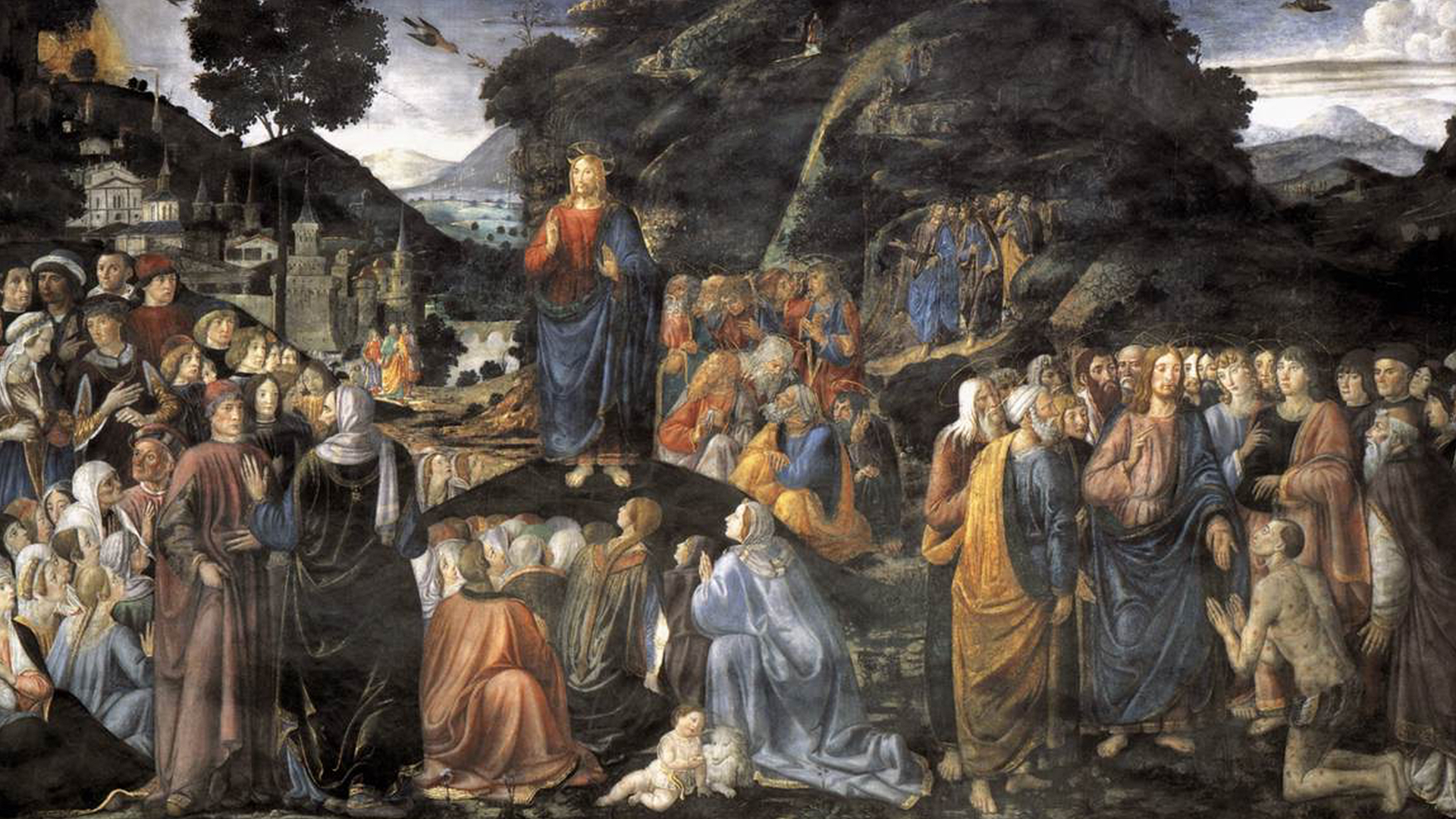

Founded on the Rock

Whoever comes to Me, and hears My sayings and does them, I will show you whom he is like: He is like a man building a house, who dug deep and laid the foundation on the rock. And when the flood arose, the stream beat vehemently against that house, and could not shake it, for it was founded on the rock. (Luke 6:47–48; NKJV)

What idea is at the center of the Christian faith? What is that primary thought that distinguishes Christianity from all other worldviews? What single concept is so essential that, to take it away, would make someone’s worldview not Christian? The central truth of Christianity, which every other truth builds on, is not a “what,” but a “who”—the man, Jesus Christ.

Continue reading

Bible Word Study on ‘Hope’

Hope is an important idea in the Bible. David’s hope in God was cause for gladness and rejoicing (Ps 16:8–11). Matthew points to Jesus as the fulfillment of Isaiah’s prophecy concerning the Gentile’s hope (Matt 12:21). And Paul’s hope in God included resurrection to eternal life (Acts 24:15). The goal of this study is to better understand the overall sense of hope in the Bible as a basis for future studies.

Continue reading

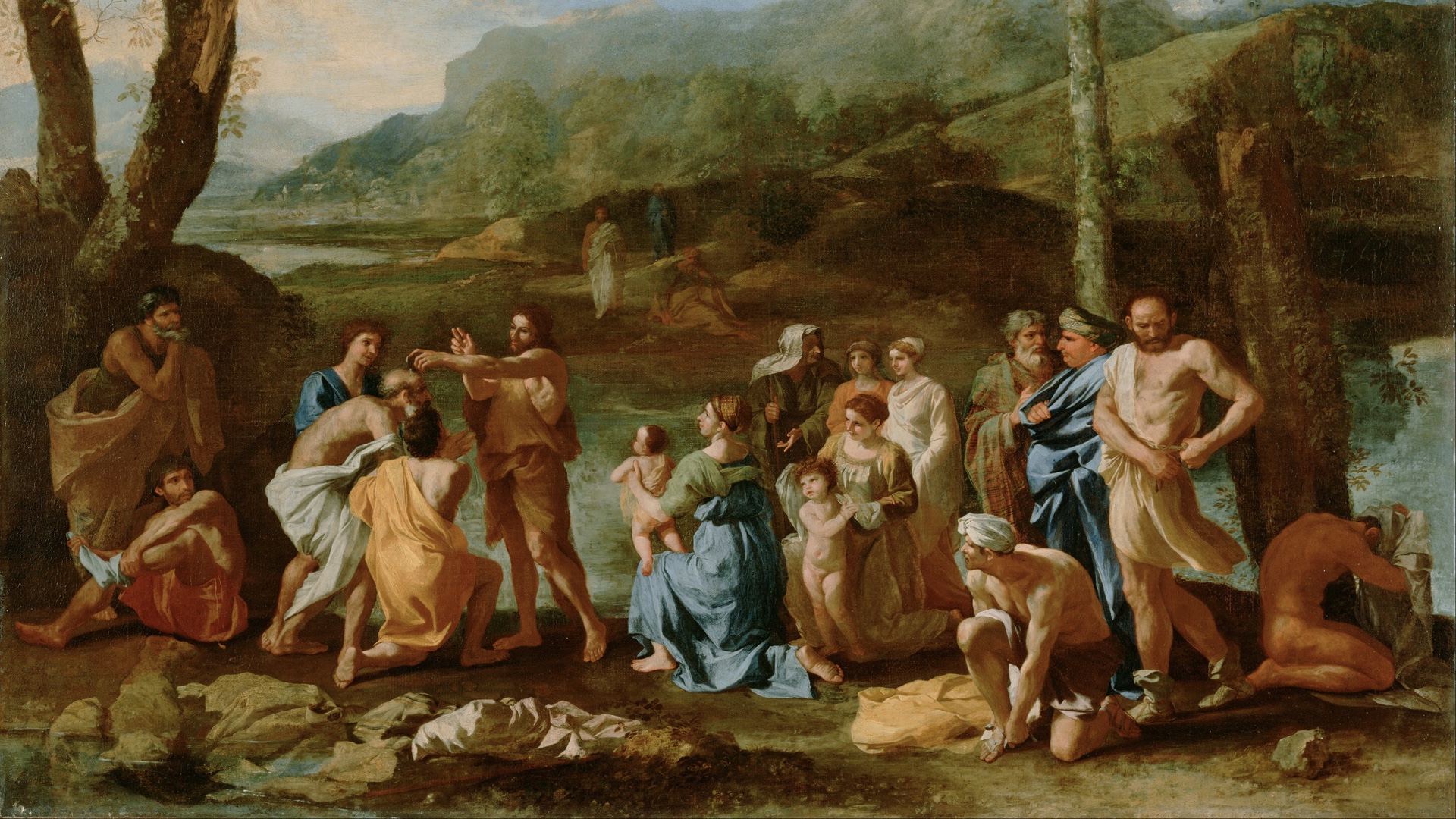
‘Baptism’ in the New Testament

I indeed baptize you with water unto repentance, but He who is coming after me is mightier than I, whose sandals I am not worthy to carry. He will baptize you with the Holy Spirit and fire. (Matt 3:11; NKJV)

Water baptism is an ancient and enduring Christian tradition. Through the centuries, churches have come to understand and practice baptism differently, sometimes breaking fellowship over it. What is baptism? What does the Bible say about baptism? Any biblical doctrine of baptism must begin by answering these questions. Let’s dig in.

Continue reading

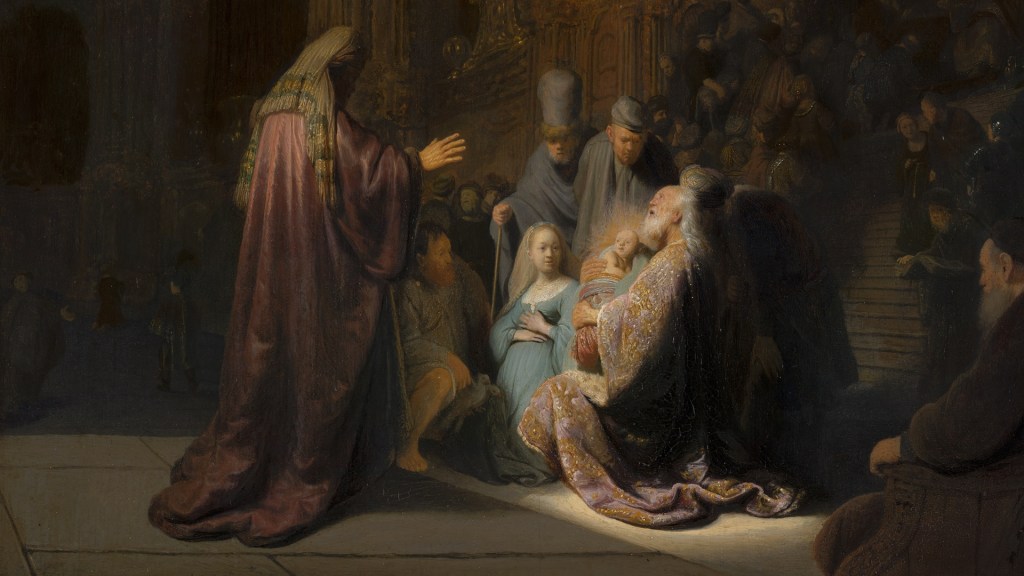
God Plans Your Days

And behold, there was a man in Jerusalem whose name was Simeon, and this man was just and devout, waiting for the Consolation of Israel, and the Holy Spirit was upon him. And it had been revealed to him by the Holy Spirit that he would not see death before he had seen the Lord’s Christ. (Luke 2:25–26; NKJV)

Have you ever wondered about God’s plans for your life? Worried what the future might hold for your career? Struggled through a hard season of loss or personal health issues? Longed for some dream, but obstacles just keep piling up? Keep praying and trusting God in the waiting. As we see in the life of Simeon—God plans our days and will faithfully bring those plans about in our lives.

Continue reading

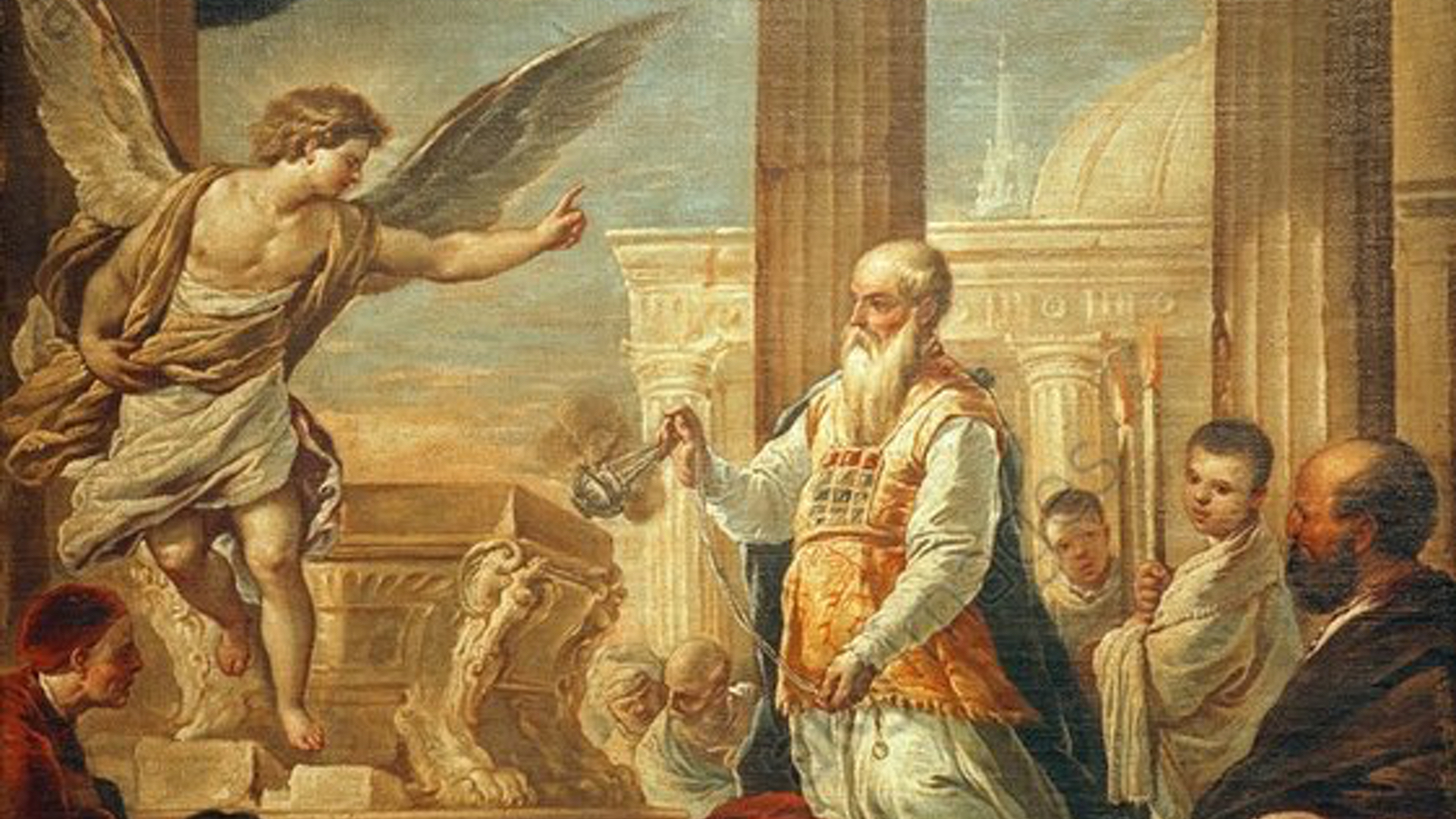
God Hears Your Prayers

But the angel said to him, “Do not be afraid, Zacharias, for your prayer is heard; and your wife Elizabeth will bear you a son, and you shall call his name John. And you will have joy and gladness, and many will rejoice at his birth. (Luke 1:13–14; NKJV)

Have you ever prayed to God repeatedly about something deeply affecting your inner-most being? Maybe a personal life concern like marriage or family? Or a work life situation like education or job opportunities? Or maybe interceding for a loved one’s health or life circumstances? Do not lose heart—as we see in the life of Zacharias, God hears our prayers.

Continue reading

How to Study the Bible

How sweet are Your words to my taste,
Sweeter than honey to my mouth!
Through Your precepts I get understanding;
Therefore I hate every false way.

(Psalm 119:103–104; NKJV)

In a recent post, I explained why studying the Bible is important. But, as I mentioned, the Bible is a large collection of books written long ago in far-away places covering a wide range of topics. Where do you start? What is the goal? How do you do it? Here is a basic introduction to how I do Bible study.

Continue reading

Church Video—Ministry or Product?

Go therefore and make disciples of all the nations, baptizing them in the name of the Father and of the Son and of the Holy Spirit, teaching them to observe all things that I have commanded you. (Matthew 28:19–20; NKJV)

Pure and undefiled religion before God and the Father is this: to visit orphans and widows in their trouble. (James 1:27)

I was recently in a conversation when I encountered the statement, “$5000 is about right for a church camera.” Context is key, so I asked for clarification. The response I received included the sentiment that maybe some churches should go back to audio recordings of sermons and playlists of songs instead of live-streaming or video recording a lower quality product.

Continue reading

Why Study the Bible?

Be diligent to present yourself approved to God, a worker who does not need to be ashamed, rightly dividing the word of truth. But shun profane and idle babblings, for they will increase to more ungodliness. And their message will spread like cancer. (2 Timothy 2:15–17; NKJV)

Since the earliest days of Christianity, believers have not only read the Bible, but also committed themselves to studying it. Two thousand years of study have brought quite a lot of diverse and detailed viewpoints. But why study the Bible at all? Isn’t the Bible simple enough for even a child to understand? And haven’t theologians figured it all out by now? Let’s dive in.

Continue reading

How to Read the Bible

I will meditate on Your precepts,
And contemplate Your ways.
I will delight myself in Your statutes;
I will not forget Your word.

(Psalm 119:15–16; NKJV)

In my last post, I explained how reading the Bible is relevant today. But the Bible is a unique collection of books written by multiple authors, on multiple continents, spanning two millennia, and including several different styles of writings. How do you read a book like that? What approaches are helpful? Where do you start? Here are some suggestions.

Continue reading