As He Who Serves

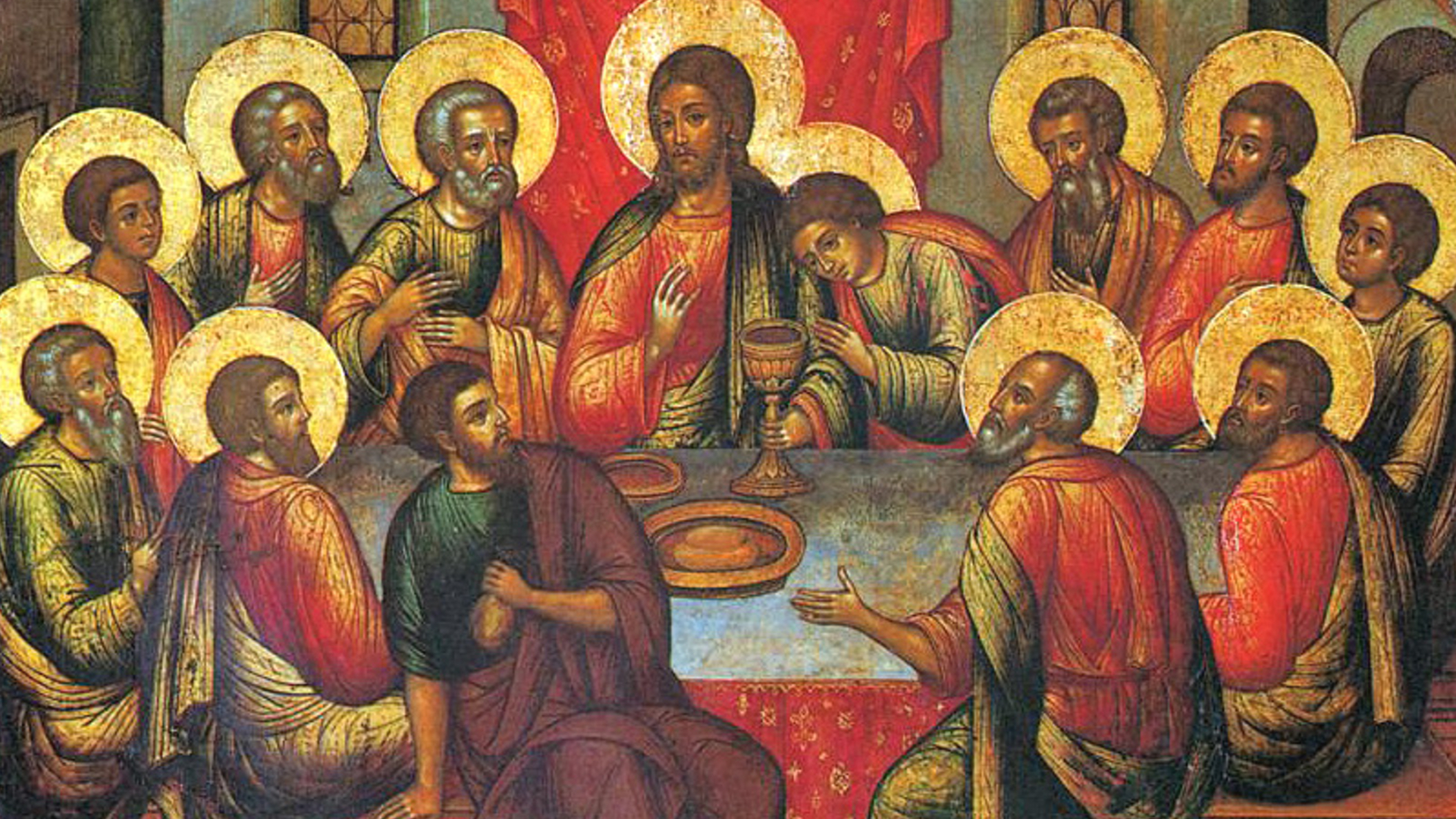
And He said to them, “The kings of the Gentiles exercise lordship over them, and those who exercise authority over them are called ‘benefactors.’ But not so among you; on the contrary, he who is greatest among you, let him be as the younger, and he who governs as he who serves. For who is greater, he who sits at the table, or he who serves? Is it not he who sits at the table? Yet I am among you as the One who serves. (Luke 22:25–27)

Luke 22 brings us to the Day of Unleavened Bread, “when the Passover [Lamb] must be killed” (Luke 22:7). Sometime during the few days leading up to this one, two important, parallel events happened involving two of Jesus’ closest followers.

Continue reading
To Seek and Save the Lost

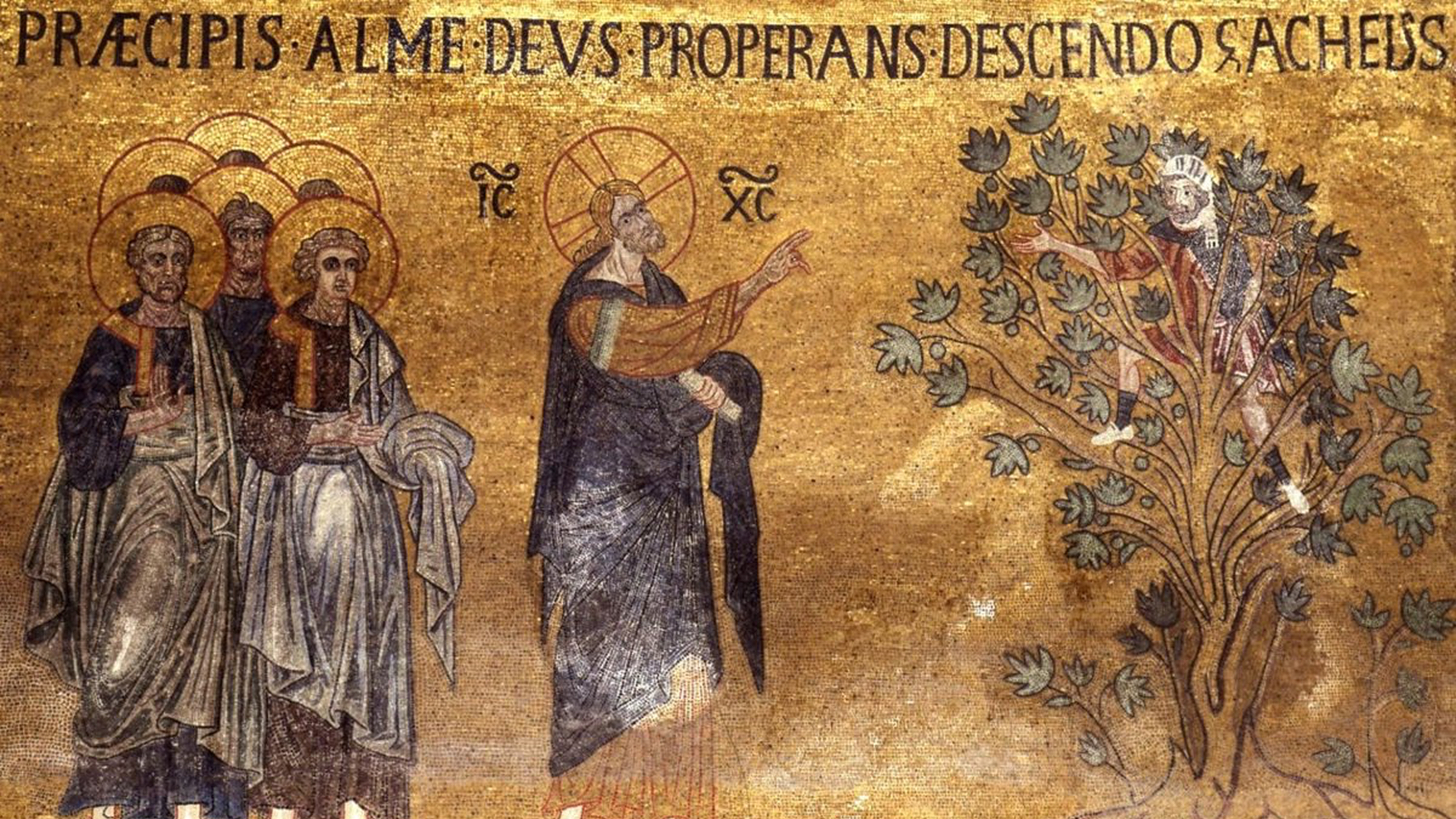
Then Zacchaeus stood and said to the Lord, “Look, Lord, I give half of my goods to the poor; and if I have taken anything from anyone by false accusation, I restore fourfold.” And Jesus said to him, “Today salvation has come to this house, because he also is a son of Abraham; for the Son of Man has come to seek and to save that which was lost.” (Luke 19:8–10; NKJV)

Chapter 19 in the Gospel of Luke is a transition between two major sections of Luke’s narrative. The first half of the chapter (verses 1–27) closes out the large central division focusing on the Gospel of the Kingdom of God with a brief review of Jesus’ Kingdom priorities. The second half of the chapter (vv. 28–48) begins the next major division, which narrates the presentation of Israel’s Messiah, beginning with the arrival of Jesus in Jerusalem.

Continue reading

If Anyone Comes to Me

Now great multitudes went with Him. And He turned and said to them, “If anyone comes to Me and does not hate his father and mother, wife and children, brothers and sisters, yes, and his own life also, he cannot be My disciple. And whoever does not bear his cross and come after Me cannot be My disciple. (Luke 14:25–27; NKJV)

In Luke chapter 14, Jesus brings His teaching about following Him full circle. Most of the chapter takes place in the house of a ruler of the Pharisees on the Sabbath. Jesus makes clear that following Him means forsaking the things of the world and wholeheartedly committing to the plans and purposes of God in our lives.

Continue reading

Keep Asking, Seeking, and Knocking

So I say to you, ask, and it will be given to you; seek, and you will find; knock, and it will be opened to you. For everyone who asks receives, and he who seeks finds, and to him who knocks it will be opened. If a son asks for bread from any father among you, will he give him a stone? Or if he asks for a fish, will he give him a serpent instead of a fish? Or if he asks for an egg, will he offer him a scorpion? If you then, being evil, know how to give good gifts to your children, how much more will your heavenly Father give the Holy Spirit to those who ask Him!” (Luke 11:9–13; NKJV)

As Jesus continued his journey to Calvary, he retreated in prayer. When He had finished, one of His disciples asked him to teach them to pray, just as John the Baptist had done for his disciples. Jesus made a habit of retreating from the crowds to pray (e.g., 6:12; 9:18, 28).1 He was a man of prayer, and His disciples desired to emulate His prayer life.

Continue reading

Founded on the Rock

Whoever comes to Me, and hears My sayings and does them, I will show you whom he is like: He is like a man building a house, who dug deep and laid the foundation on the rock. And when the flood arose, the stream beat vehemently against that house, and could not shake it, for it was founded on the rock. (Luke 6:47–48; NKJV)

What idea is at the center of the Christian faith? What is that primary thought that distinguishes Christianity from all other worldviews? What single concept is so essential that, to take it away, would make someone’s worldview not Christian? The central truth of Christianity, which every other truth builds on, is not a “what,” but a “who”—the man, Jesus Christ.

Continue reading

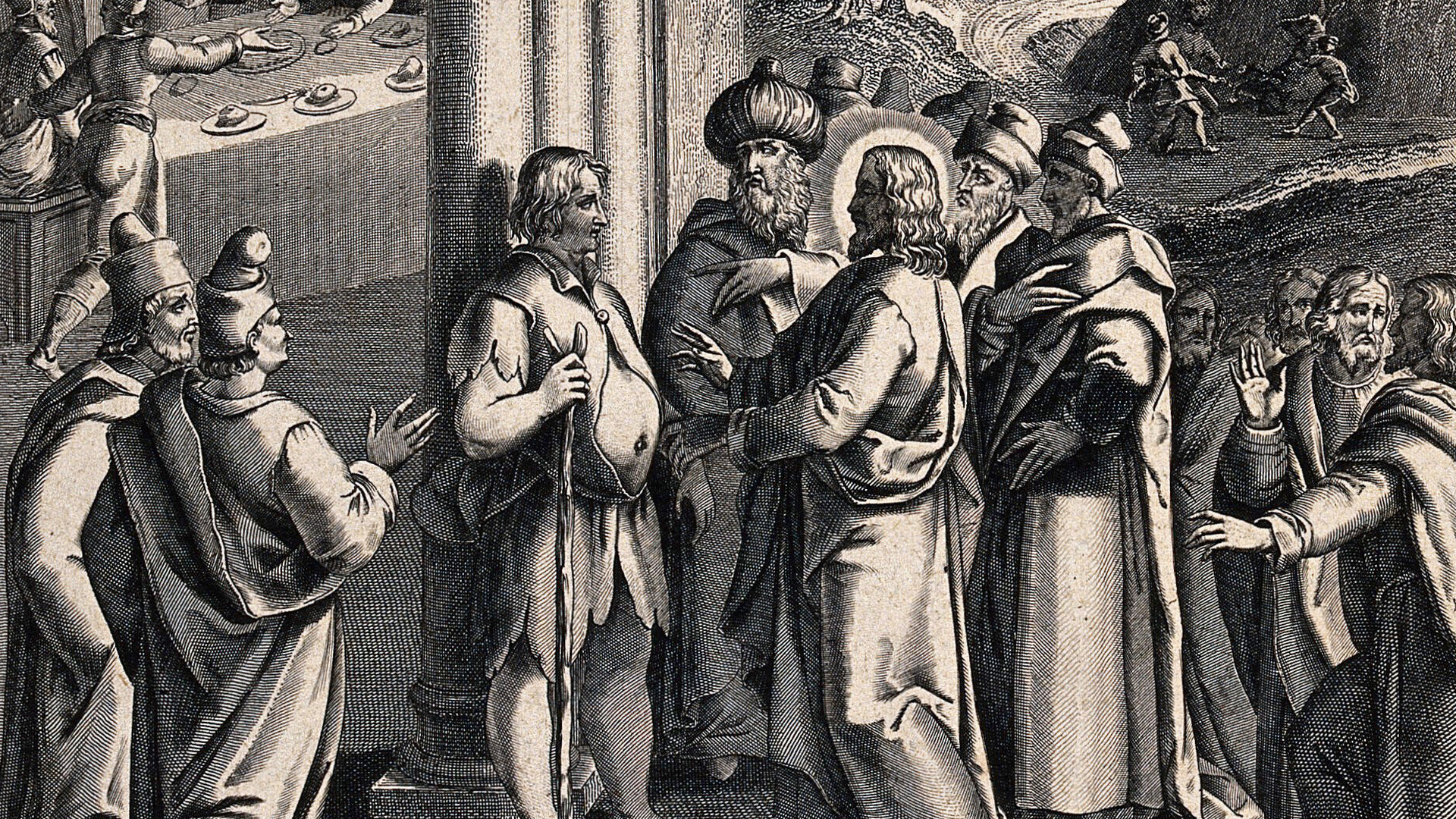
The Parable of the Unjust Steward

“And I say to you, make friends for yourselves by unrighteous mammon, that when you fail, they may receive you into an everlasting home. He who is faithful in what is least is faithful also in much; and he who is unjust in what is least is unjust also in much.” (Luke 16:9–10; NKJV)

Some things in Scripture are hard to understand. For me, the Parable of the Unjust Steward is one of those things. From the first time I read it, I’ve struggled to relate the story in the parable to its moral. Is Jesus really praising the unjust steward? Is He telling us to gain earthly riches through unrighteousness? Well, I’ve just come across this parable again in my personal devotions, and now seems as good a time as any to try and understand it.

Continue reading