The Central Claim of Christianity

Now those who were scattered after the persecution that arose over Stephen traveled as far as Phoenicia, Cyprus, and Antioch, preaching the word to no one but the Jews only. But some of them were men from Cyprus and Cyrene, who, when they had come to Antioch, spoke to the Hellenists, preaching the Lord Jesus. And the hand of the Lord was with them, and a great number believed and turned to the Lord. (Acts 11:19–21; NKJV)

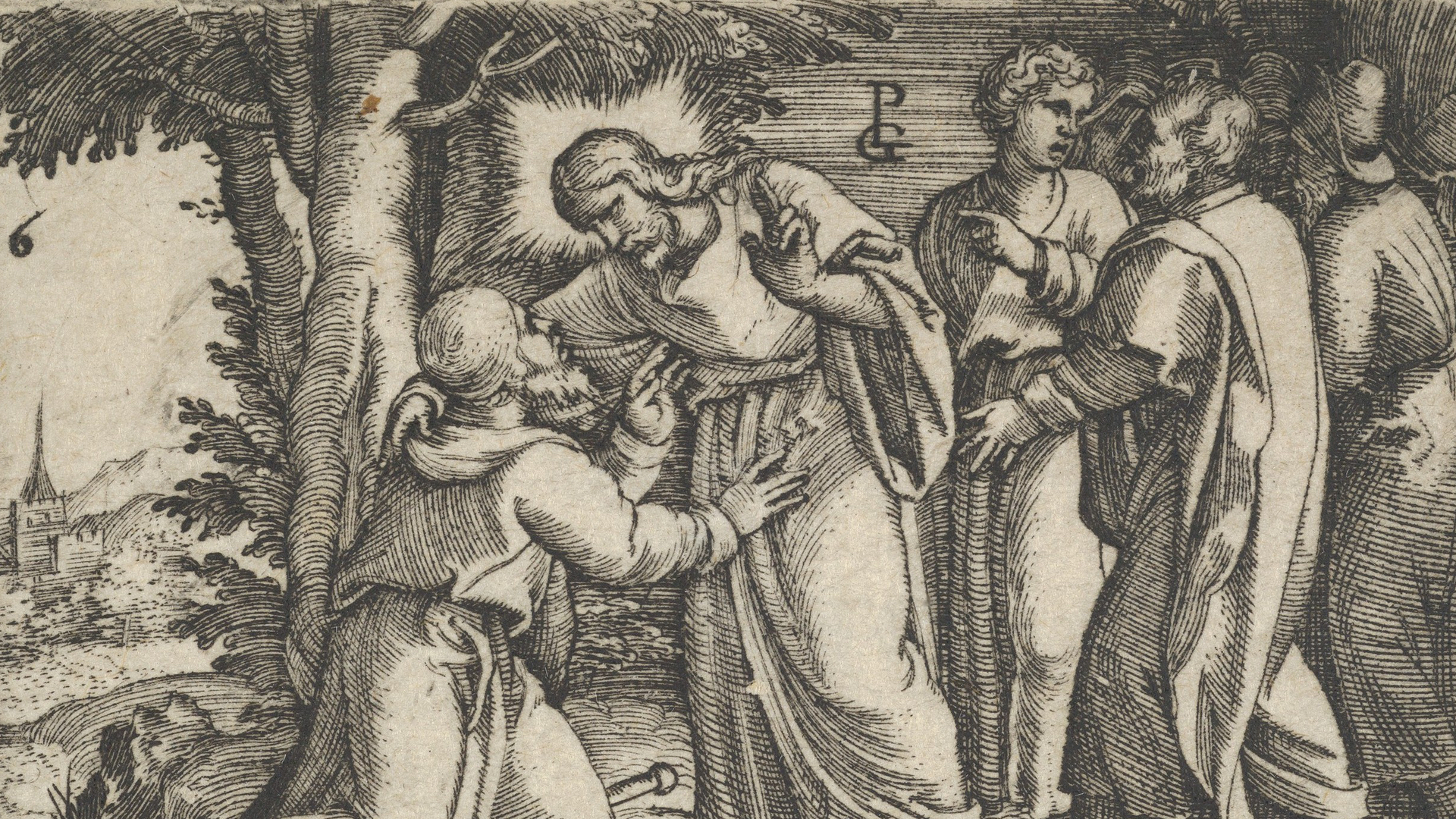
When you hear the word “Christianity,” what comes to mind? Common responses include believing in God, being a good person, praying, going to church, and giving to the poor. Sometimes Christianity is associated with being born in America or identifying with a certain race. But none of these are the central claim of Christianity.

Continue reading
Where Is Your Faith?

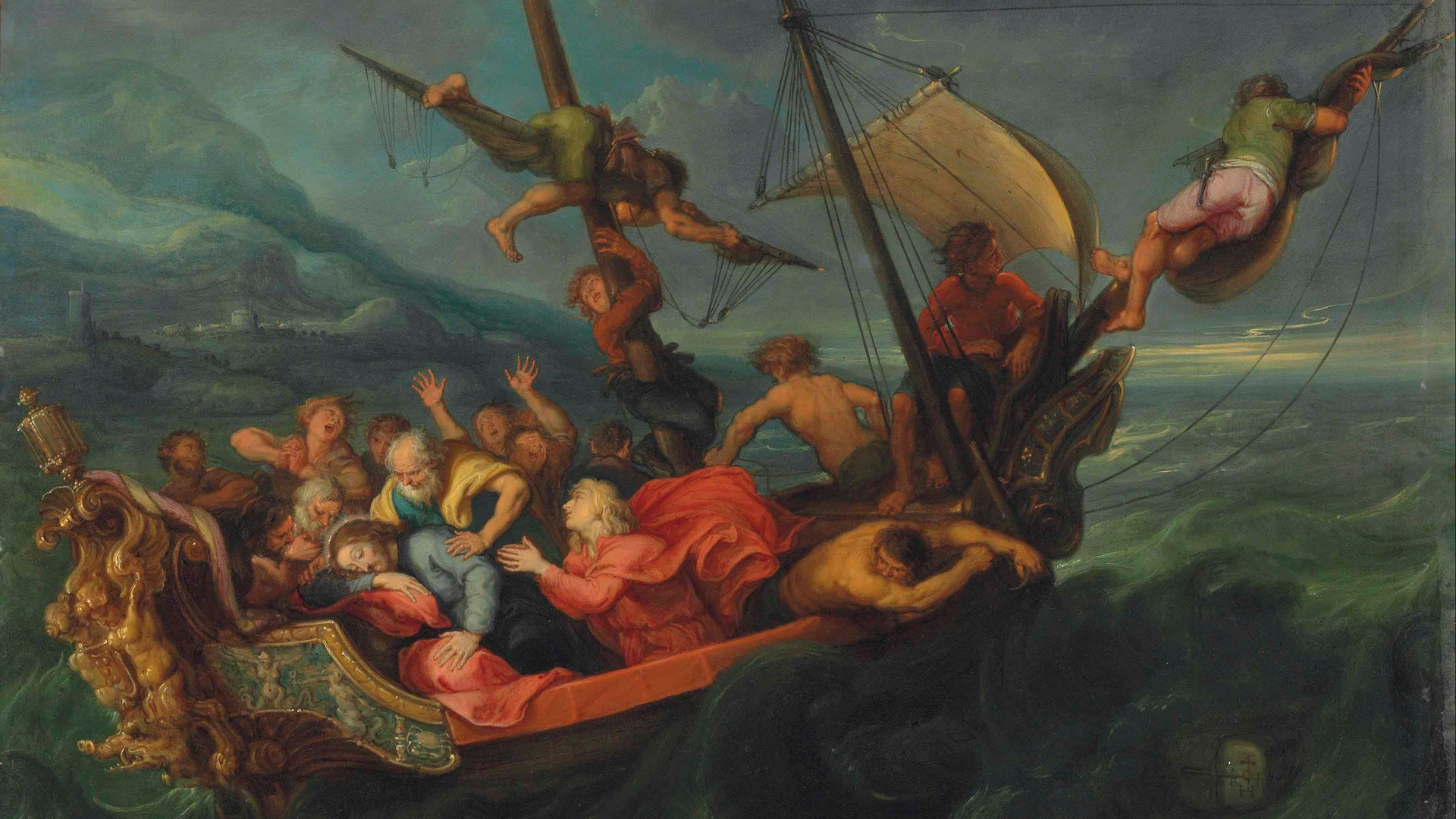
But as they sailed He fell asleep. And a windstorm came down on the lake, and they were filling with water, and were in jeopardy. And they came to Him and awoke Him, saying, “Master, Master, we are perishing!” Then He arose and rebuked the wind and the raging of the water. And they ceased, and there was a calm. But He said to them, “Where is your faith?” (Luke 8:23–25; NKJV)

As Jesus continued His earthly ministry, He preached throughout all regions of Israel. A large part of His ministry was in the northern part of Israel called Galilee, especially near the Sea of Galilee, which was also known by other names, including the Sea of Tiberias (John 6:1) and the Lake of Gennesaret (Luke 5:1).1

Continue reading

You Are Forgiven

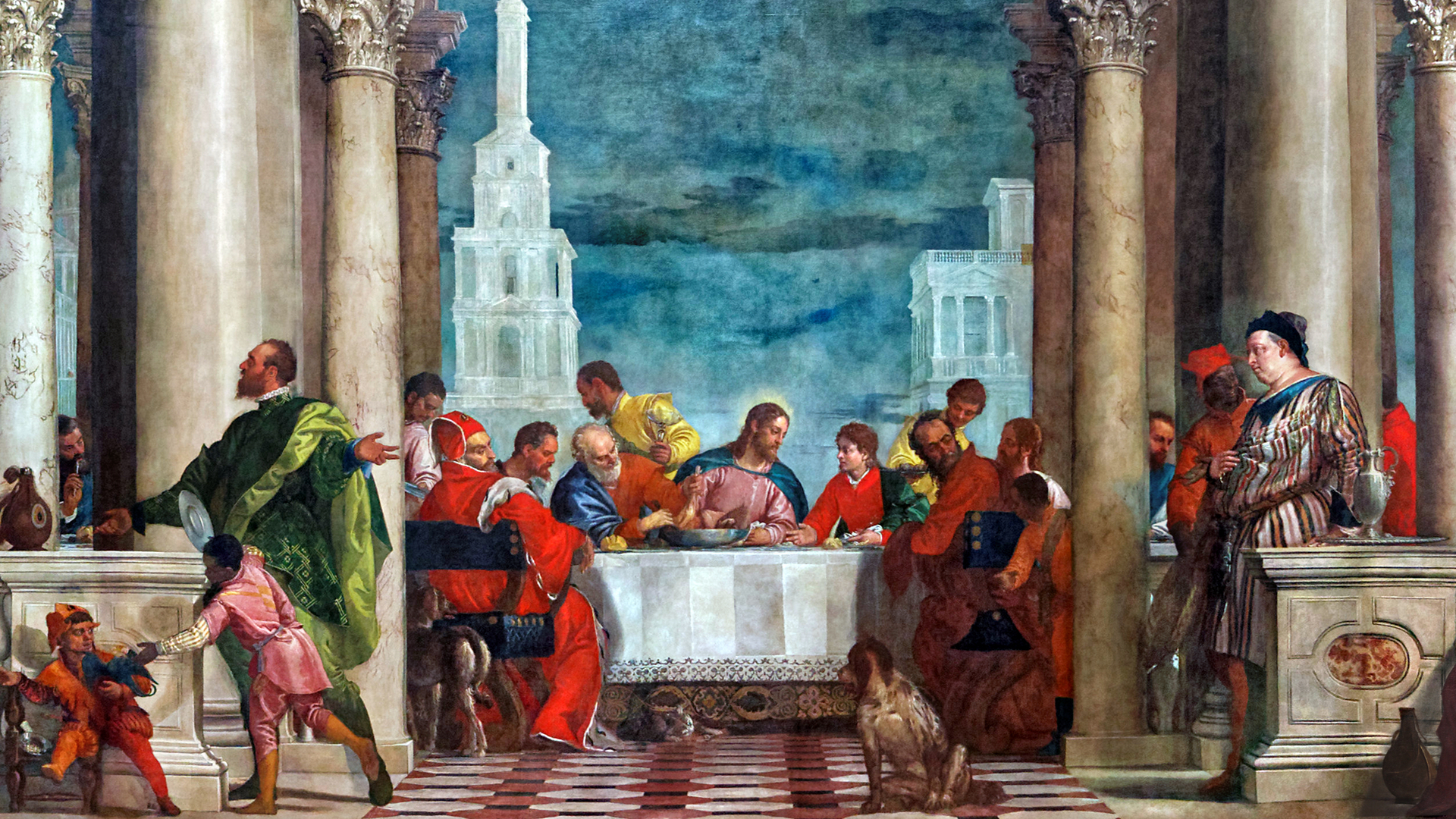
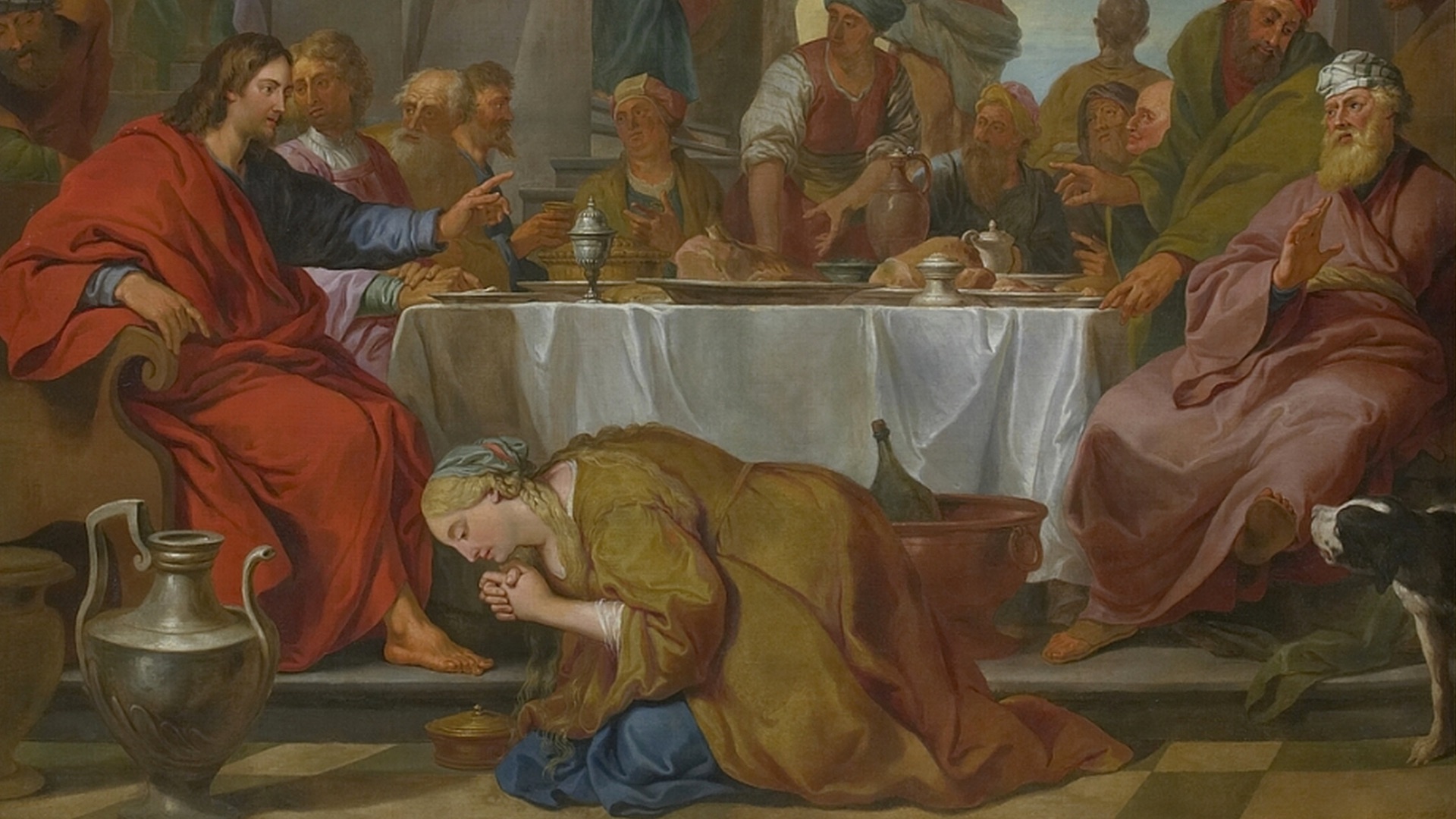
Therefore I say to you, her sins, which are many, are forgiven, for she loved much. But to whom little is forgiven, the same loves little.” Then He said to her, “Your sins are forgiven.” And those who sat at the table with Him began to say to themselves, “Who is this who even forgives sins?” (Luke 7:47–49; NKJV)

Jesus began His earthly ministry by teaching with authority and performing miracles. And people had questions. Jesus did not rise through the ranks of one of the major Jewish sects. Who is He? Is he a prophet of God? A messenger from Satan? God’s promised Messiah?

Continue reading

He Had Compassion on Her

He had compassion on her and said to her, “Do not weep.” Then He came and touched the open coffin, and those who carried him stood still. And He said, “Young man, I say to you, arise.” So he who was dead sat up and began to speak. And He presented him to his mother. Then fear came upon all, and they glorified God, saying, “A great prophet has risen up among us”; and, “God has visited His people.” (Luke 7:13–16; NKJV)

Compassion is a very popular idea today. In the 21st century West, compassion, often understood as “being nice,” is a cardinal virtue. Western culture goes so far as to argue that a compassionate God must accept us, even our sin, without consequence, while also arguing that, since pain and suffering exist, the compassionate God of Christianity cannot exist.

Continue reading

Founded on the Rock

Whoever comes to Me, and hears My sayings and does them, I will show you whom he is like: He is like a man building a house, who dug deep and laid the foundation on the rock. And when the flood arose, the stream beat vehemently against that house, and could not shake it, for it was founded on the rock. (Luke 6:47–48; NKJV)

What idea is at the center of the Christian faith? What is that primary thought that distinguishes Christianity from all other worldviews? What single concept is so essential that, to take it away, would make someone’s worldview not Christian? The central truth of Christianity, which every other truth builds on, is not a “what,” but a “who”—the man, Jesus Christ.

Continue reading

Lord of the Sabbath

But He knew their thoughts, and said to the man who had the withered hand, “Arise and stand here.” And he arose and stood. Then Jesus said to them, “I will ask you one thing: Is it lawful on the Sabbath to do good or to do evil, to save life or to destroy?” And when He had looked around at them all, He said to the man, “Stretch out your hand.” And he did so, and his hand was restored as whole as the other. (Luke 6:8–10; NKJV)

Keeping the Sabbath holy was one of the central tenets of the Mosaic Law. It was the fourth commandment that God gave Israel at Mt. Sinai (Exod 20:8–11). The commandment explains that the seventh day of every week is to be a day of rest from work for everyone in Israel—all people, including children, servants, foreigners in Israel, and even work animals (v. 10).

Continue reading

Those Who Are Sick

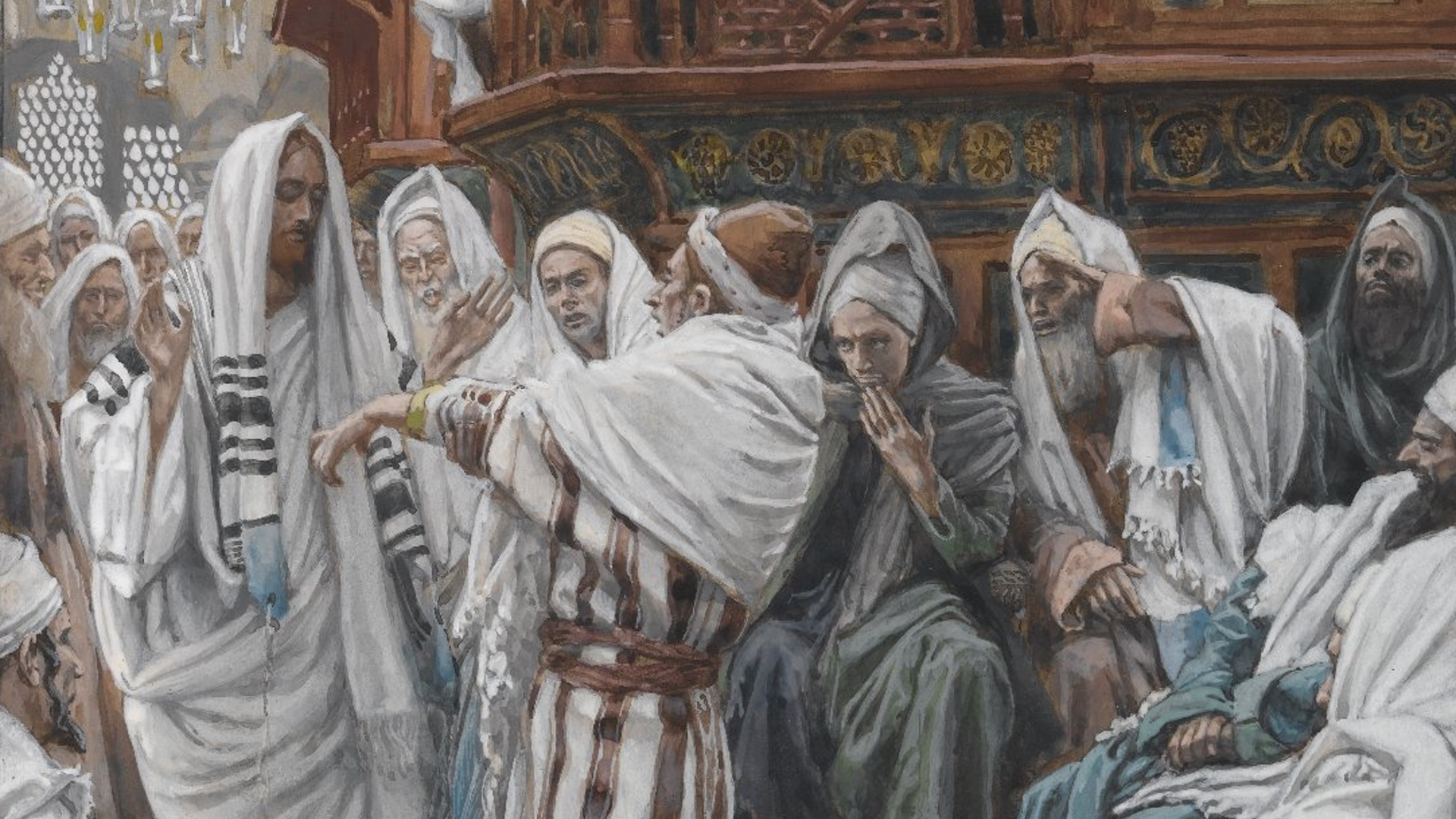
And their scribes and the Pharisees complained against His disciples, saying, “Why do You eat and drink with tax collectors and sinners?” Jesus answered and said to them, “Those who are well have no need of a physician, but those who are sick. I have not come to call the righteous, but sinners, to repentance.” (Luke 5:30–32; NKJV)

One of the curious topics in modern Christianity is the intersection of personal holiness and public witness. Christians are often criticized for being legalistic and prudish when we abstain from certain festivities and observances in Western culture. On the other hand, when Christians do participate in such activities, we are often criticized for adopting pagan culture.

Continue reading

Today This Scripture Is Fulfilled

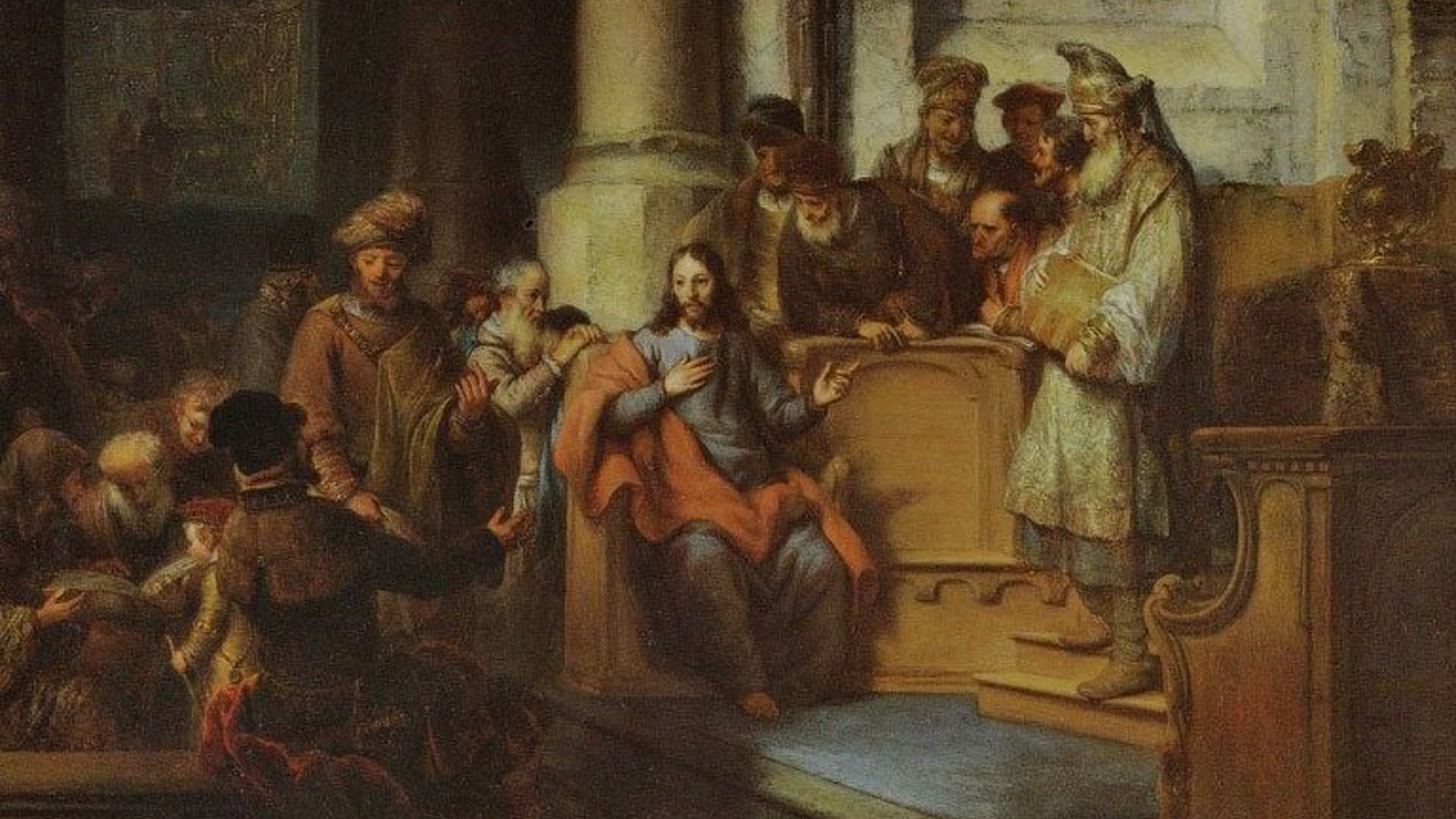
Painting by Gerbrand van den Eeckhout at the National Gallery of Ireland
And He was handed the book of the prophet Isaiah. And when He had opened the book, He found the place where it was written: … Then He closed the book, and gave it back to the attendant and sat down. And the eyes of all who were in the synagogue were fixed on Him. And He began to say to them, “Today this Scripture is fulfilled in your hearing.” (Luke 4:17, 20–21; NKJV)

One of the major themes in the Gospel of Luke is fulfillment. Luke explains this focus in the introduction to his gospel account. In these verses, we see Luke emphasizing that theme in the beginning of Jesus’ earthly ministry.

Continue reading

What Is Worship?

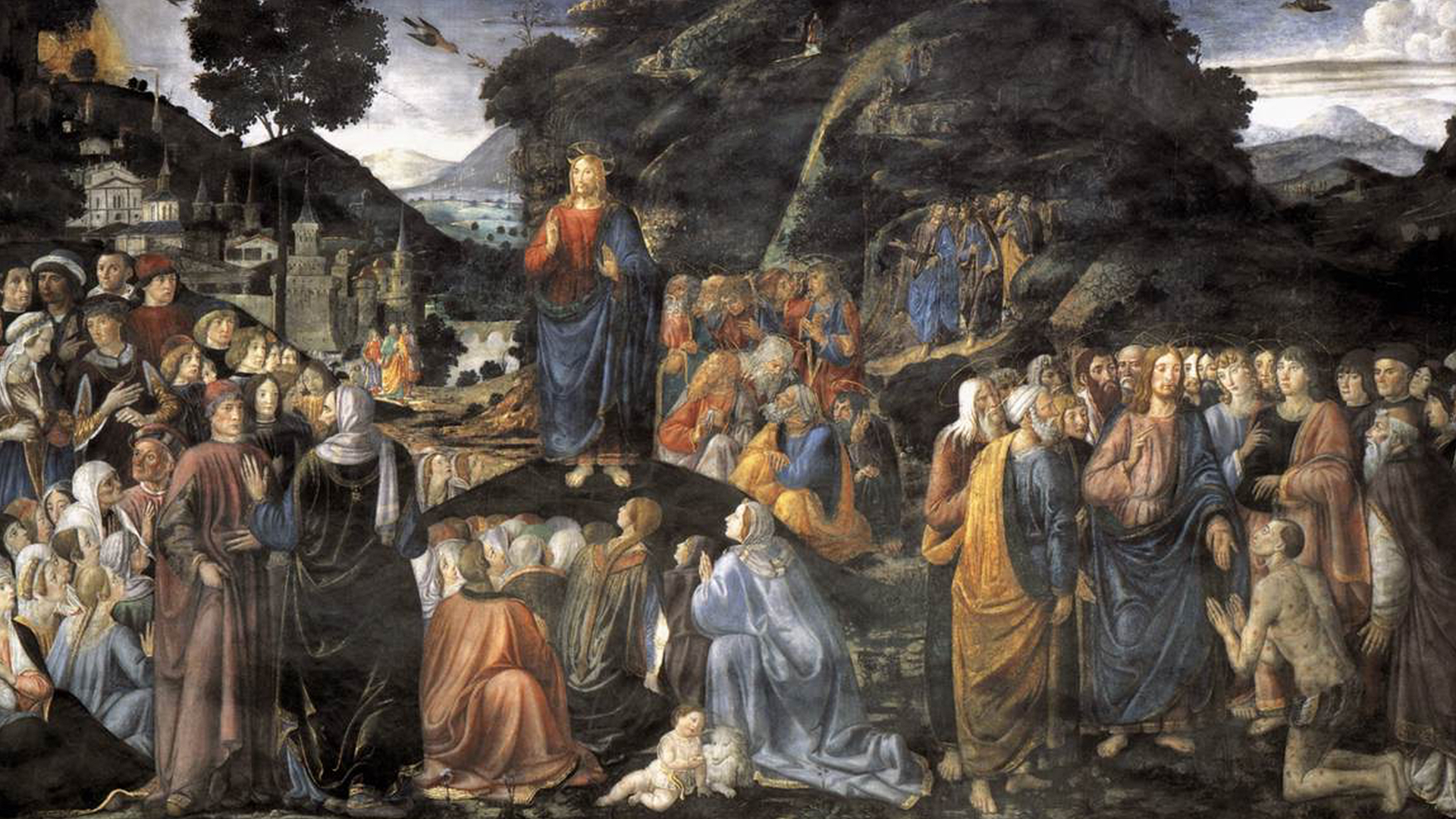
When He had come down from the mountain, great multitudes followed Him. And behold, a leper came and worshiped Him, saying, “Lord, if You are willing, You can make me clean. Then Jesus put out His hand and touched him, saying, “I am willing; be cleansed.” Immediately his leprosy was cleansed. (Matt 8:1–3; NKJV)

Worshipping God is a core value in Christianity and a prominent topic in the modern church. There are a lot of different ideas about what worship means and how it looks. Is worship music, or lifestyle, both, or something else? Are there any boundaries for dress, music, preaching, and other modes of expression? If so, what are they and why? If not, why not?

Continue reading