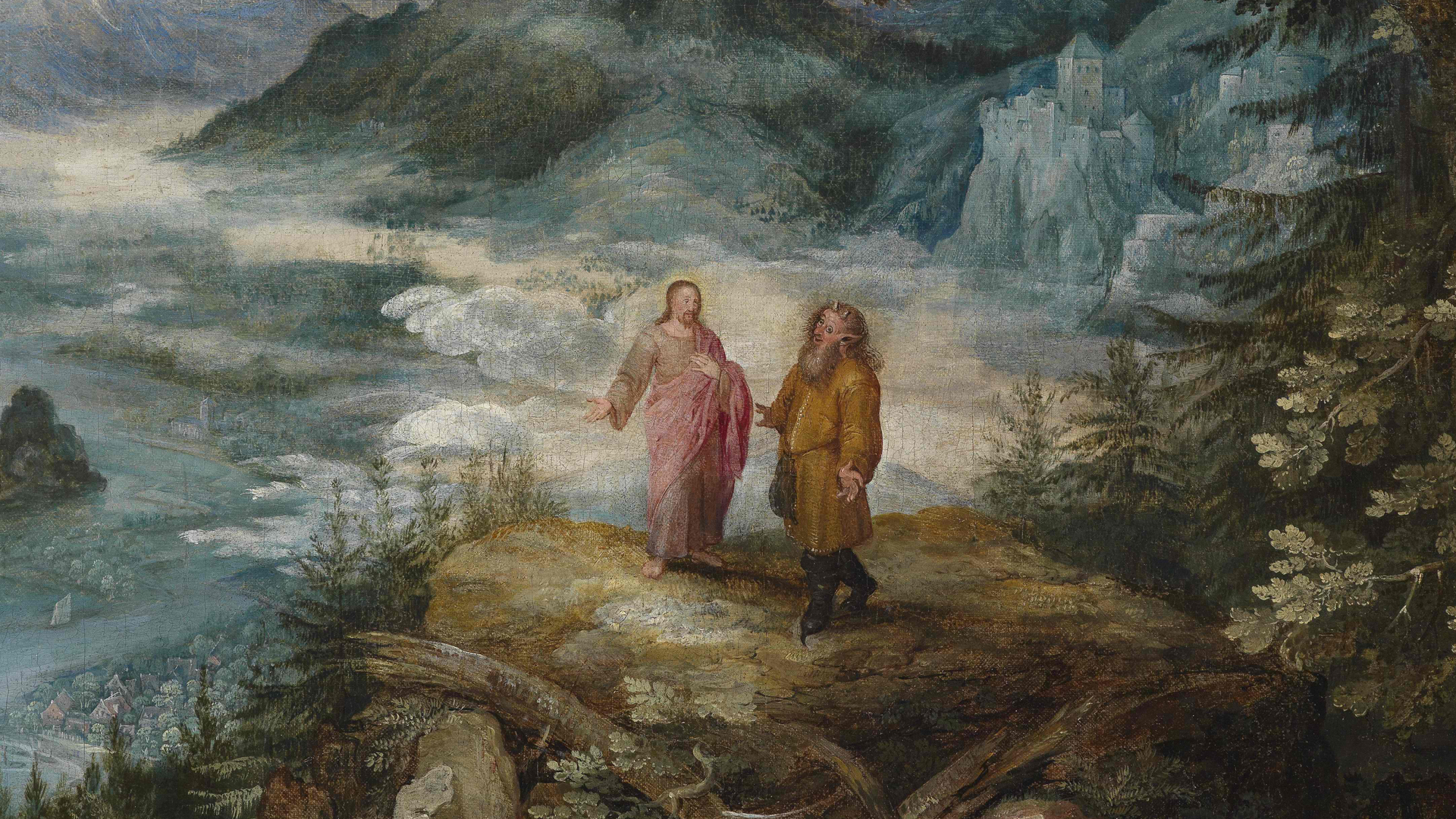
Into the Wilderness

Then Jesus, being filled with the Holy Spirit, returned from the Jordan and was led by the Spirit into the wilderness, being tempted for forty days by the devil. And in those days He ate nothing, and afterward, when they had ended, He was hungry. (Luke 4:1–2; NKJV)

After Jesus’ baptism by John in the Jordan, the Holy Spirit led Jesus into the wilderness, where He endured temptation for 40 days.

Continue reading
You Are My Beloved Son

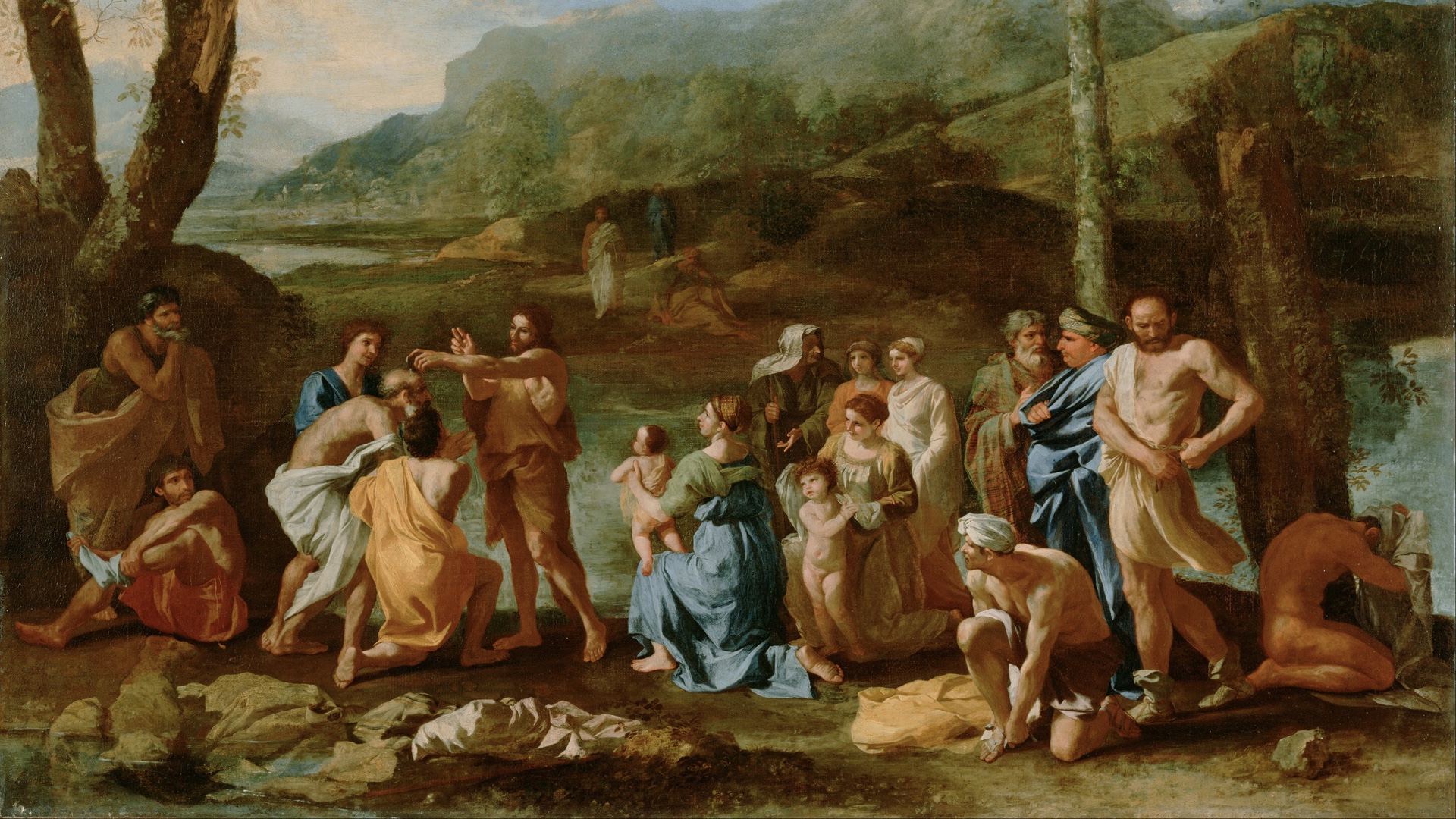
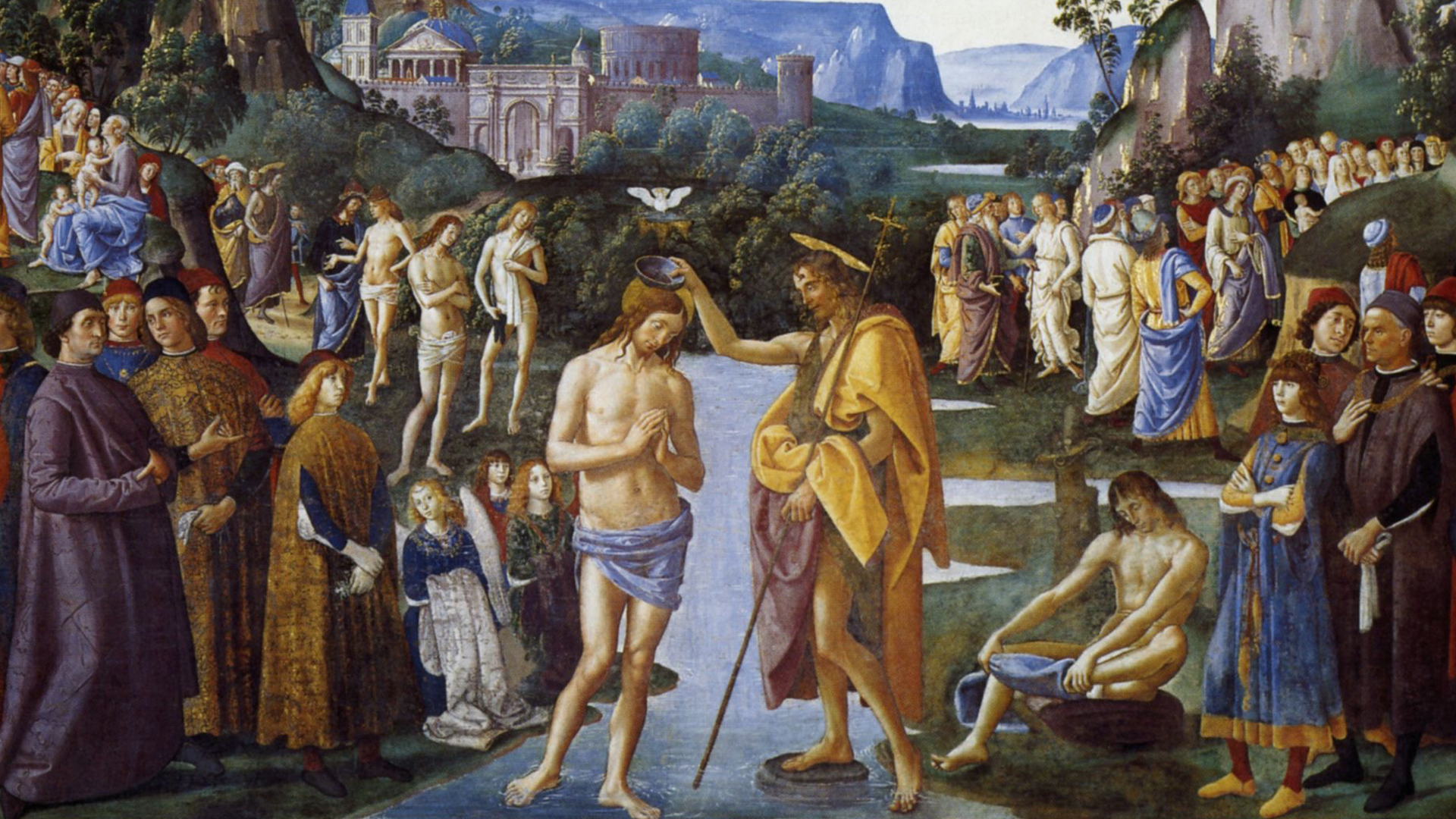
When all the people were baptized, it came to pass that Jesus also was baptized; and while He prayed, the heaven was opened. And the Holy Spirit descended in bodily form like a dove upon Him, and a voice came from heaven which said, “You are My beloved Son; in You I am well pleased.” (Luke 3:21–22; NKJV)

One of the many puzzling events during Jesus’ earthly ministry was His baptism by John in the Jordan. In my last post, we saw that John’s baptism signified the person’s renouncing their sin and turning toward God to receive God’s forgiveness of their sin. This raises the question, why did Jesus get baptized? Did He, too, need forgiveness for His sins?

Continue reading

The Remission of Sins

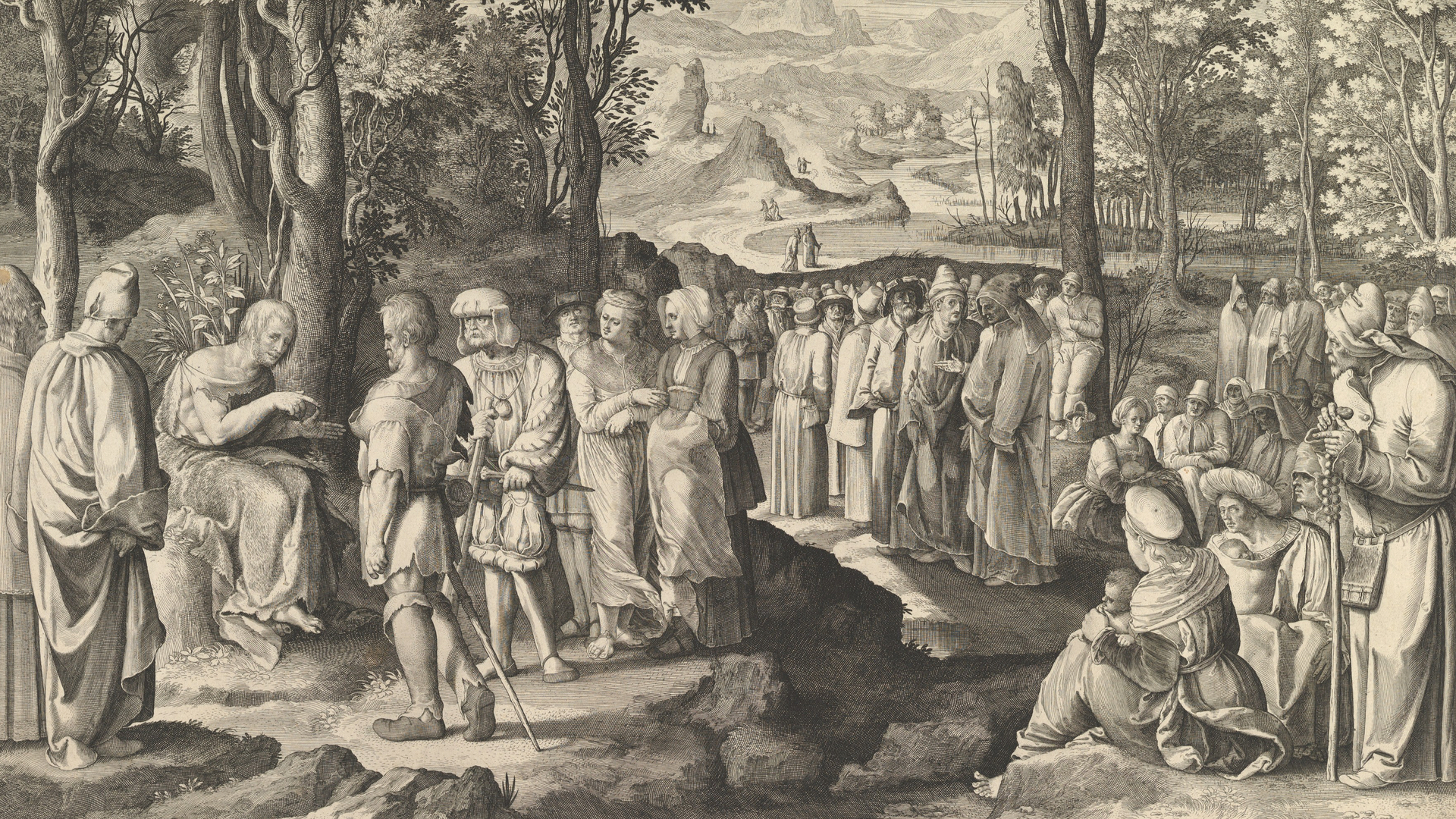
The word of God came to John the son of Zacharias in the wilderness. And he went into all the region around the Jordan, preaching a baptism of repentance for the remission of sins. (Luke 3:2–3; NKJV)

God fulfilled His promise to Zacharias. The Holy Spirit was upon John, and now “the Word of God came to John” in a mighty way. Luke does not tell us how the Word of God came upon him. But the message John preached reveals at least some of what this Word of God to John contained. It was the message of repentance for the remission of sins and the announcement that Israel’s Messiah was coming very soon (vv. 15–17).

Continue reading

God Remains with You

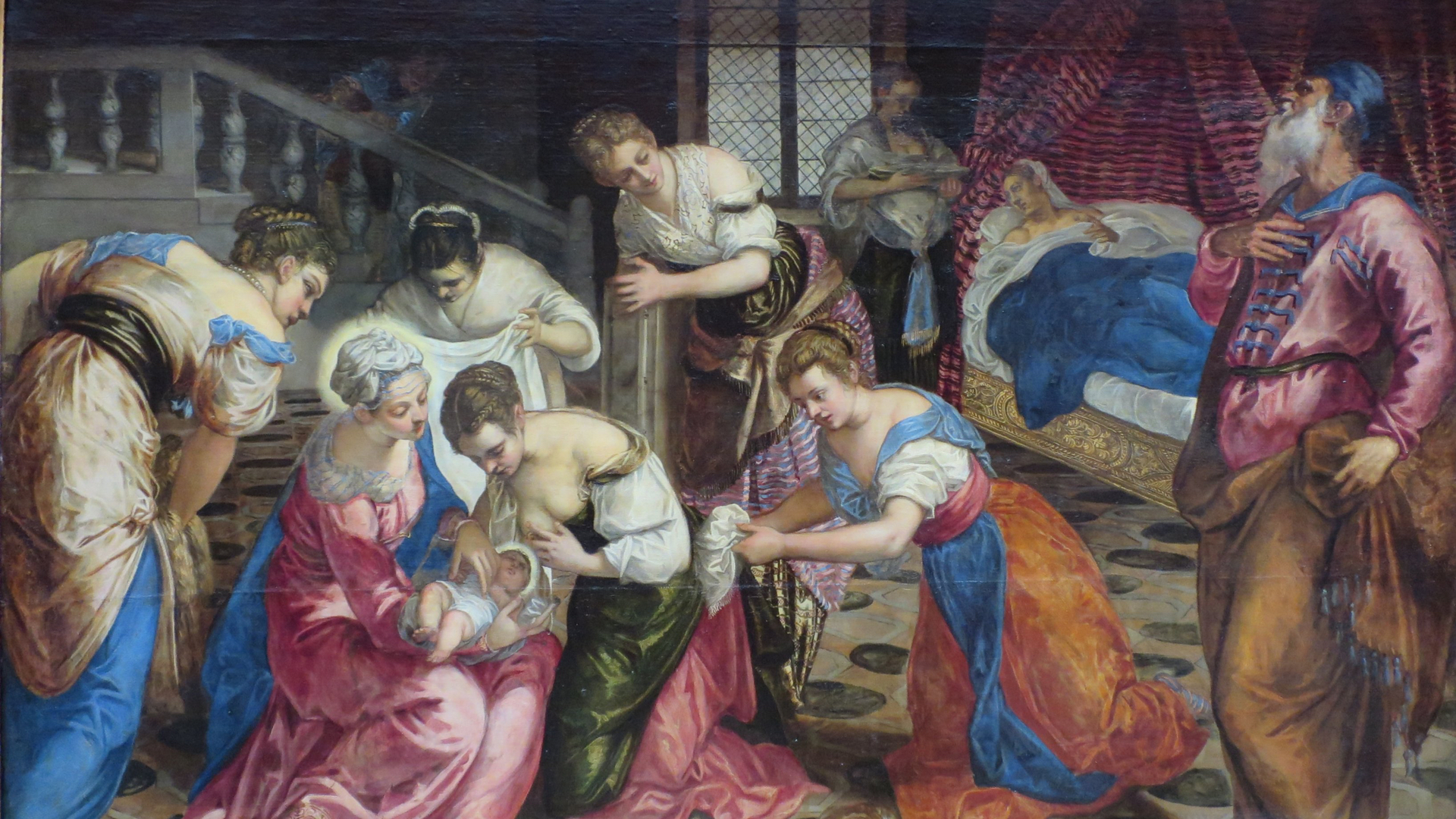
Immediately his mouth was opened and his tongue loosed, and he spoke, praising God. Then fear came on all who dwelt around them; and all these sayings were discussed throughout all the hill country of Judea. And all those who heard them kept them in their hearts, saying, “What kind of child will this be?” And the hand of the Lord was with him. (Luke 1:64–66; NKJV)

Have you ever felt distant from God? Maybe you stumbled into sin, doubted His call, or fell victim to evils in the world. Regardless of our circumstances and how we feel about how close God is, Zacharias reminds us that when God calls us His own, then He remains with us.

Continue reading

Trusting in God’s Promises

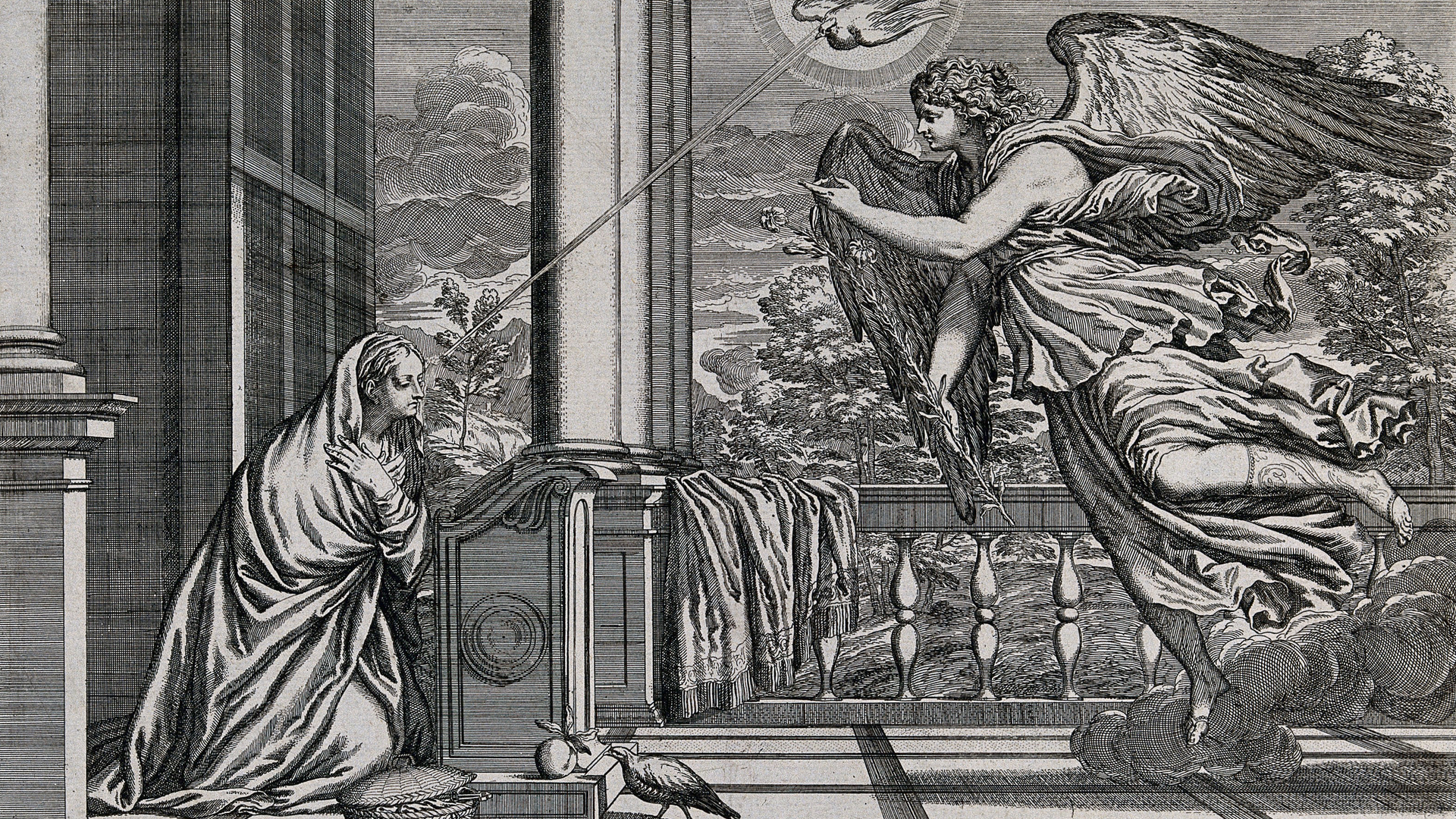
Then Mary said to the angel, “How can this be, since I do not know a man?” And the angel answered and said to her, “The Holy Spirit will come upon you, and the power of the Highest will overshadow you; therefore, also, that Holy One who is to be born will be called the Son of God. … Then Mary said, “Behold the maidservant of the Lord! Let it be to me according to your word.” And the angel departed from her. (Luke 1:34–35, 38; NKJV)

One of the interesting things we find reading through books of the Bible is seeing how different passages relate to each other. For example, God often places narratives side-by-side to highlight key ideas (called parallelism). Luke wrote the narratives of Zacharias and Mary in this way, highlighting the idea of trusting in God and His promises.

Continue reading

God Keeps His Promises

Inasmuch as many have taken in hand to set in order a narrative of those things which have been fulfilled among us, just as those who from the beginning were eyewitnesses and ministers of the word delivered them to us, it seemed good to me also, having had perfect understanding of all things from the very first, to write to you an orderly account, most excellent Theophilus, that you may know the certainty of those things in which you were instructed. (Luke 1:1–4; NKJV)

Each of the Gospels gives a slightly different look at the major events during Jesus’ earthly life and ministry. Luke, in the opening verses of his narrative, sets his focus on providing an “orderly account” of “those things which have been fulfilled among us.” Fulfillment is an important biblical idea that gives us gives us confident hope in God and His promises to us.

Continue reading

The Parable of the Unjust Steward

“And I say to you, make friends for yourselves by unrighteous mammon, that when you fail, they may receive you into an everlasting home. He who is faithful in what is least is faithful also in much; and he who is unjust in what is least is unjust also in much.” (Luke 16:9–10; NKJV)

Some things in Scripture are hard to understand. For me, the Parable of the Unjust Steward is one of those things. From the first time I read it, I’ve struggled to relate the story in the parable to its moral. Is Jesus really praising the unjust steward? Is He telling us to gain earthly riches through unrighteousness? Well, I’ve just come across this parable again in my personal devotions, and now seems as good a time as any to try and understand it.

Continue reading

The Parable of the Fig Tree

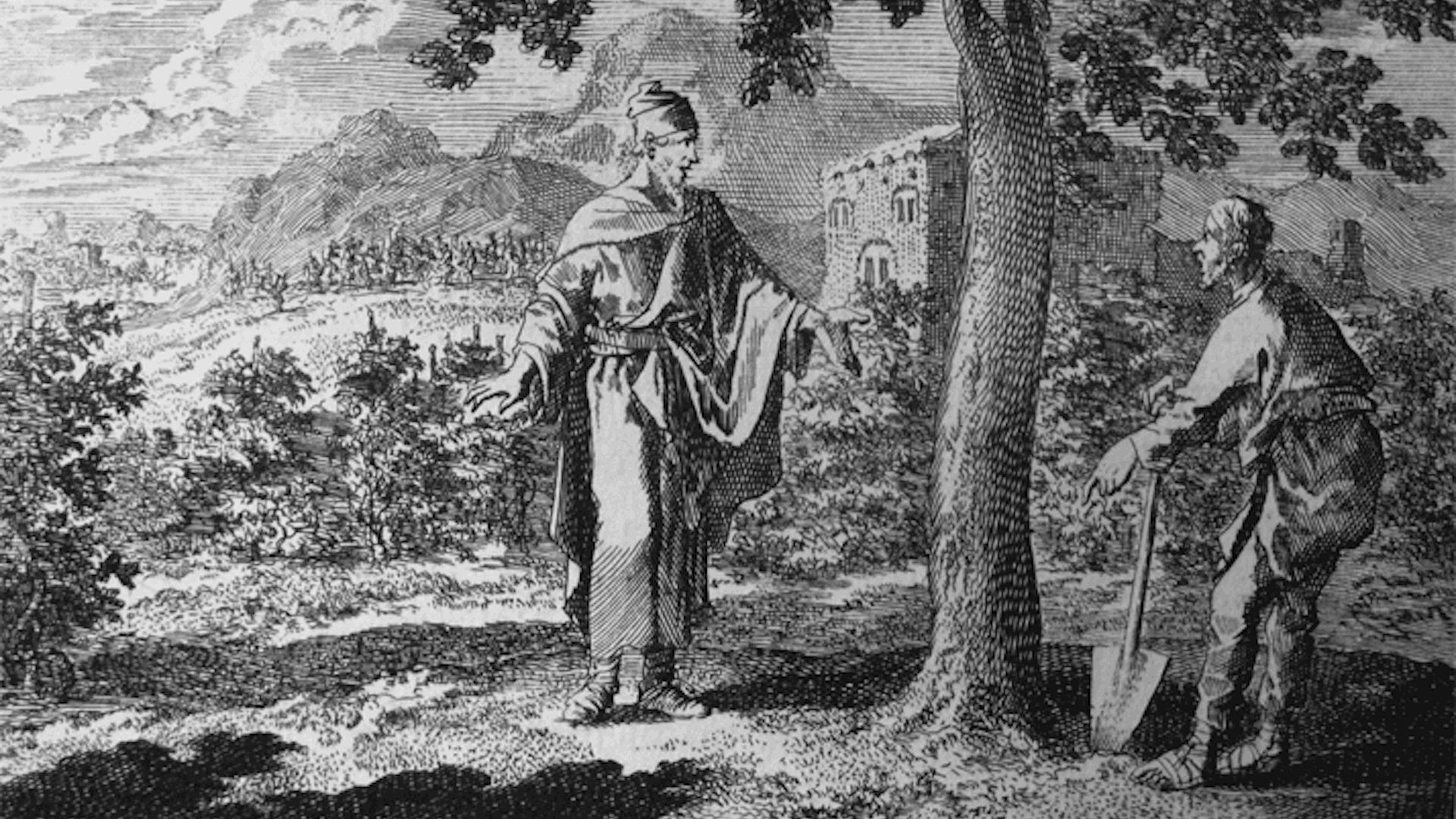
He also spoke this parable: “A certain man had a fig tree planted in his vineyard, and he came seeking fruit on it and found none. Then he said to the keeper of his vineyard, ‘Look, for three years I have come seeking fruit on this fig tree and find none. Cut it down; why does it use up the ground?’ But he answered and said to him, ‘Sir, let it alone this year also, until I dig around it and fertilize it. And if it bears fruit, well. But if not, after that you can cut it down.’ ” (Luke 13:6–9; NKJV)

The Parable of the Fig Tree is an important message about Israel, repentance, and receiving Jesus. But before we can understand what it means, we need to look at its context.

Continue reading

‘Baptism’ in the New Testament

I indeed baptize you with water unto repentance, but He who is coming after me is mightier than I, whose sandals I am not worthy to carry. He will baptize you with the Holy Spirit and fire. (Matt 3:11; NKJV)

Water baptism is an ancient and enduring Christian tradition. Through the centuries, churches have come to understand and practice baptism differently, sometimes breaking fellowship over it. What is baptism? What does the Bible say about baptism? Any biblical doctrine of baptism must begin by answering these questions. Let’s dig in.

Continue reading