God Plans Your Days

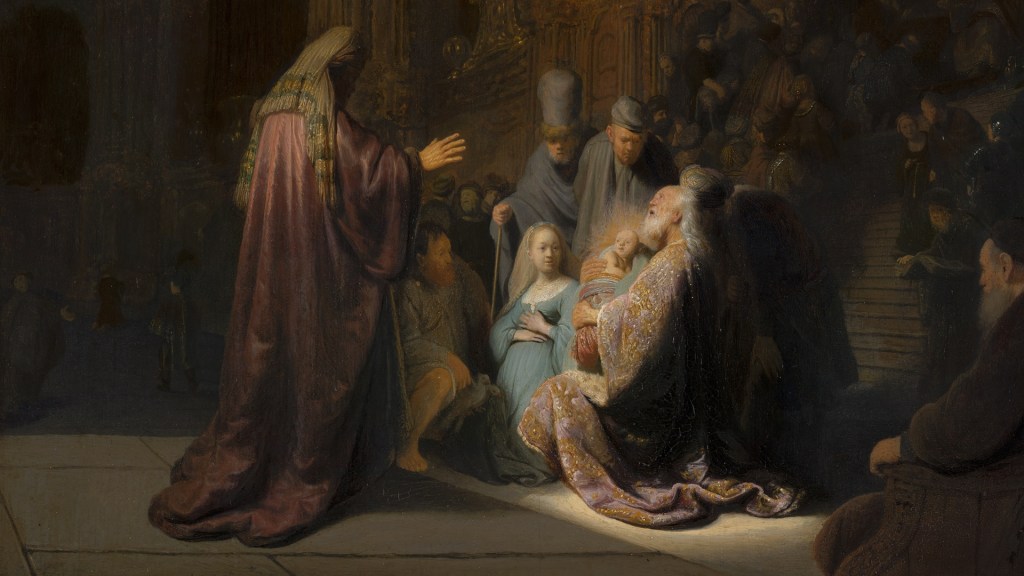
And behold, there was a man in Jerusalem whose name was Simeon, and this man was just and devout, waiting for the Consolation of Israel, and the Holy Spirit was upon him. And it had been revealed to him by the Holy Spirit that he would not see death before he had seen the Lord’s Christ. (Luke 2:25–26; NKJV)

Have you ever wondered about God’s plans for your life? Worried what the future might hold for your career? Struggled through a hard season of loss or personal health issues? Longed for some dream, but obstacles just keep piling up? Keep praying and trusting God in the waiting. As we see in the life of Simeon—God plans our days and will faithfully bring those plans about in our lives.

Continue reading
The Humanity of Christ

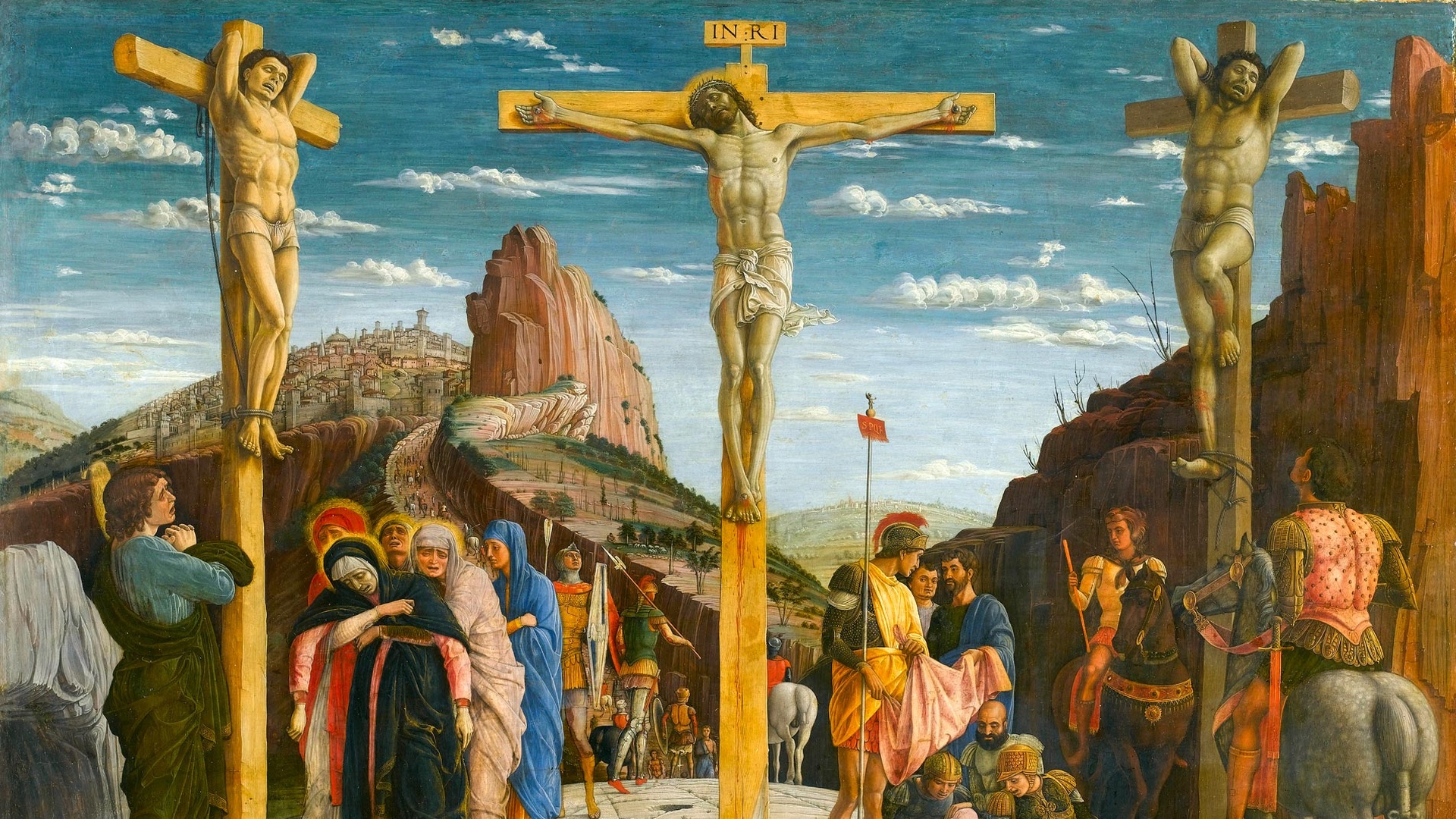
And without controversy great is the mystery of godliness: God was manifested in the flesh, justified in the Spirit, seen by angels, preached among the Gentiles, believed on in the world, received up in glory. (1 Timothy 3:16; NKJV)

In my last post, I looked the deity of Christ from a biblical perspective. One question I received was about the humanity of Jesus. If the Son is God, then do we “not believe that Jesus is a man of flesh and blood”? How do the Trinity and the humanity of Jesus fit together? Let’s get into it.

Continue reading

The Deity of the Son

But Jesus answered them, “My Father has been working until now, and I have been working.” Therefore the Jews sought all the more to kill Him, because He not only broke the Sabbath, but also said that God was His Father, making Himself equal with God. (John 5:17–18; NKJV)

One of the most popular criticisms of the doctrine of the Trinity is that Jesus never claimed to be God. The implied conclusion is, if Jesus never claimed to be God, then He is not God. Is this claim valid? Does does it stand up when tested according to the Scriptures? Let’s get to it.

Continue reading

Is the Trinity Biblical?

The Spirit Himself bears witness with our spirit that we are children of God, and if children, then heirs—heirs of God and joint heirs with Christ, if indeed we suffer with Him, that we may also be glorified together. (Romans 8:16–17; NKJV)

In my last post, I briefly explained the doctrine of the Trinity and answered some common questions about it. There is another very important question about the Trinity that I saved for a separate post. Is the doctrine of the Trinity biblical? Does it accurately reflect the teaching of Scripture? Let’s test it according to the Scriptures.

Continue reading

What Is the Trinity?

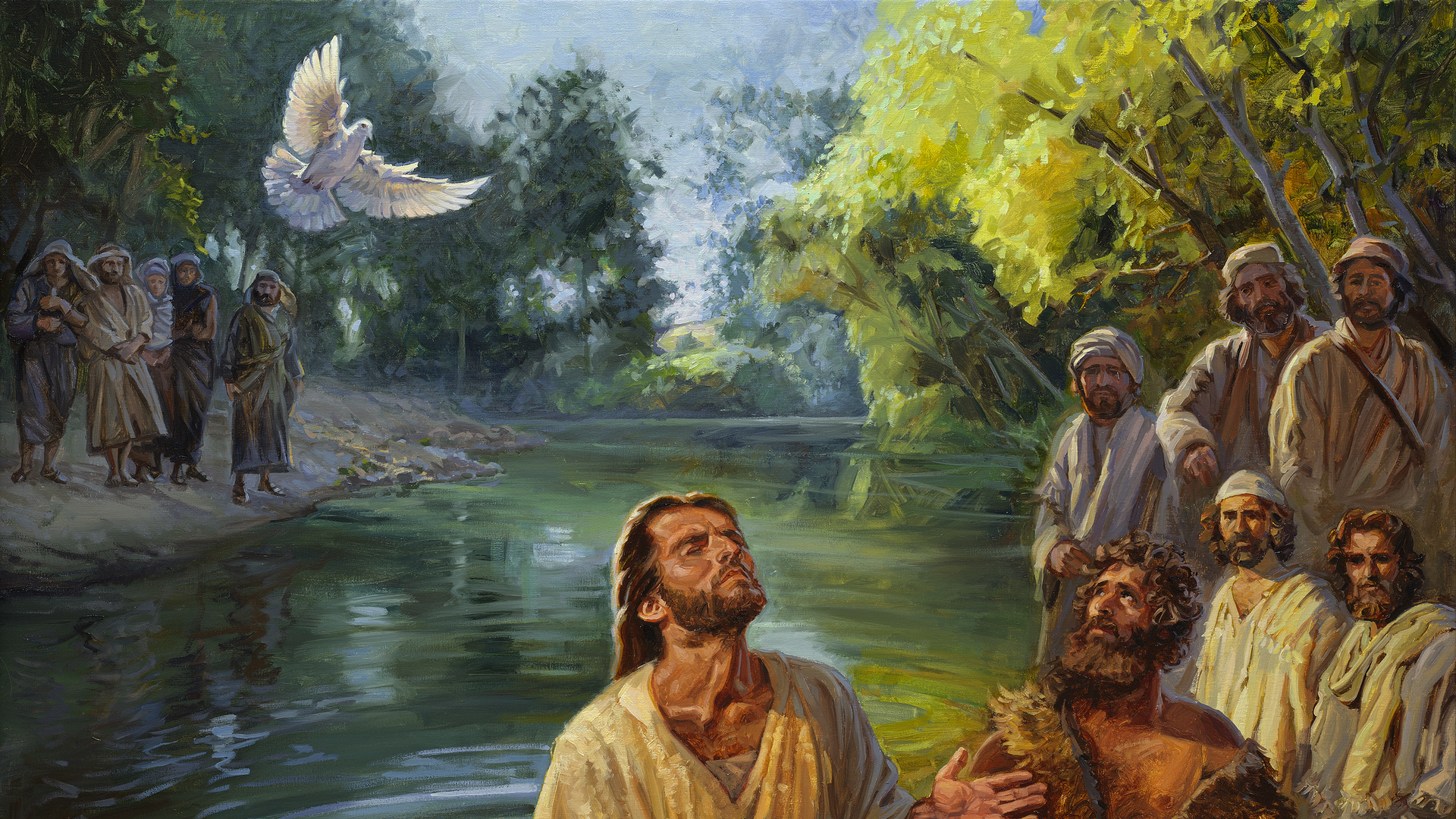
When He had been baptized, Jesus came up immediately from the water; and behold, the heavens were opened to Him, and He saw the Spirit of God descending like a dove and alighting upon Him. And suddenly a voice came from heaven, saying, “This is My beloved Son, in whom I am well pleased.” (Matthew 3:16–17; NKJV)

The Trinity is an established Christian doctrine. But a lot of Christians have a hard time making sense of it. The doctrine of the Trinity is often criticized, as well, for not being historical and for teaching the worship of multiple gods. What is the Trinity? Is it a historical Christian doctrine? Does it teach worship of multiple gods? Let’s dive in.

Continue reading

What Is the Church?

Then those who gladly received his word were baptized; and that day about three thousand souls were added to them. And they continued steadfastly in the apostles’ doctrine and fellowship, in the breaking of bread, and in prayers... praising God and having favor with all the people. And the Lord added to the church daily those who were being saved. (Acts 2:41–42, 47; NKJV)

The word ‘church’ receives mixed reactions in modern America. Historically, the church has largely been a force for social good, founding many of the social institutions we take for granted today (including education and healthcare). But in modern America, the church is often portrayed as an outdated institution holding society back from social progress. What is the church? What are her primary religious and social purposes? Let’s dig in.

Continue reading

What Is a Christian?

Then Barnabas departed for Tarsus to seek Saul. And when he had found him, he brought him to Antioch. So it was that for a whole year they assembled with the church and taught a great many people. And the disciples were first called Christians in Antioch. (Acts 11:25–26; NKJV)

Nowadays, the word ‘Christian’ receives mixed responses. Christianity has played a significant role in shaping the modern world. However, in recent decades, Christianity has come under attack for being antiquated, bigoted, and even racist. Are these accusations accurate? What are the historical roots of Christianity? What does it mean to be a Christian today? Let’s take a look.

Continue reading