Possess Your Souls

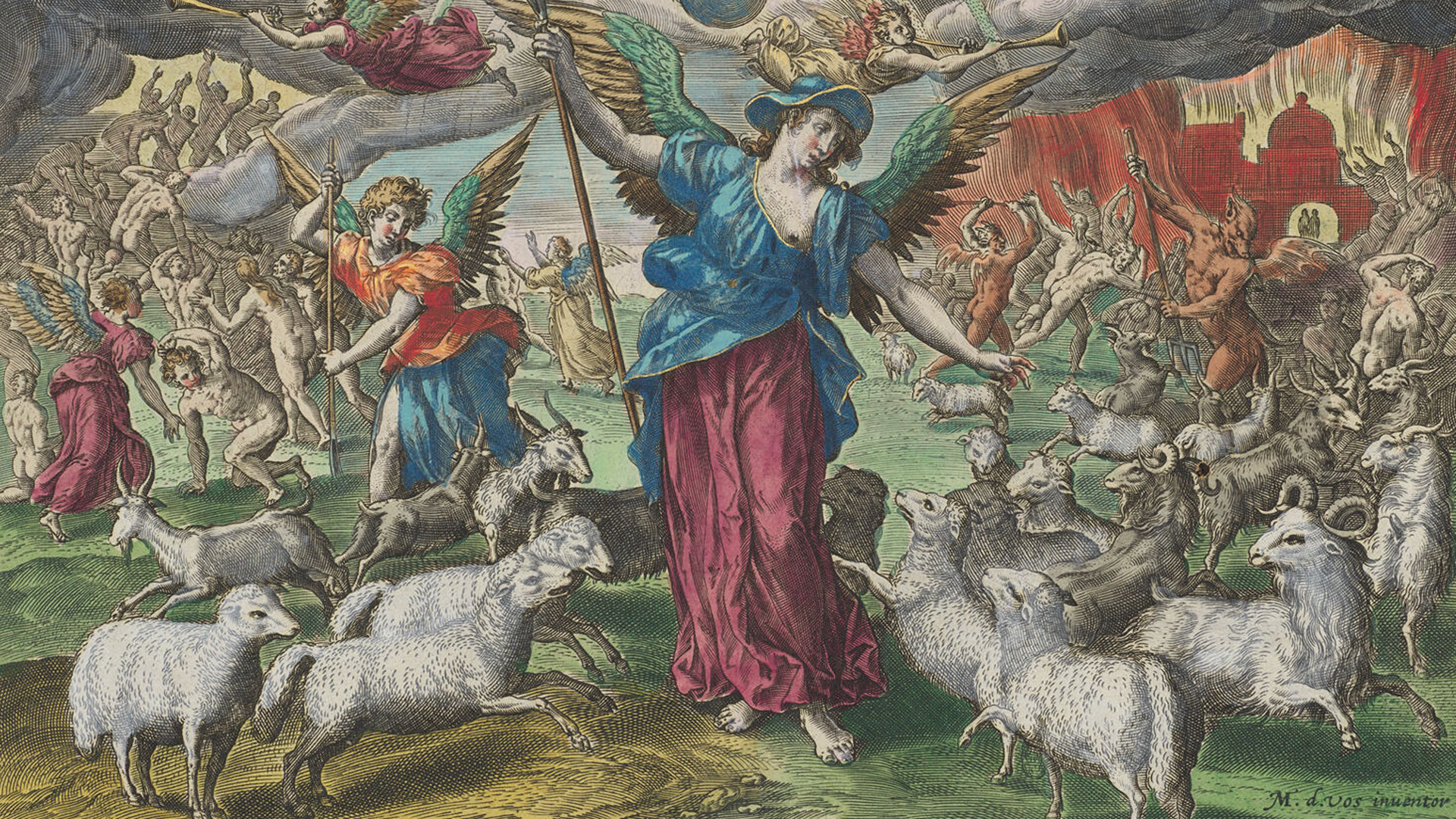
Therefore settle it in your hearts not to meditate beforehand on what you will answer; for I will give you a mouth and wisdom which all your adversaries will not be able to contradict or resist. … you will be hated by all for My name’s sake. But not a hair of your head shall be lost. By your patience possess your souls. (Luke 21:14–19; NKJV)

Luke 21 brings us to one of the many challenging passages in the Gospels. This is Luke’s account of the Olivet Discourse, where He answers the disciples’ questions about the future destruction of Jerusalem and His Second Coming.

Continue reading
Have Mercy on Me!

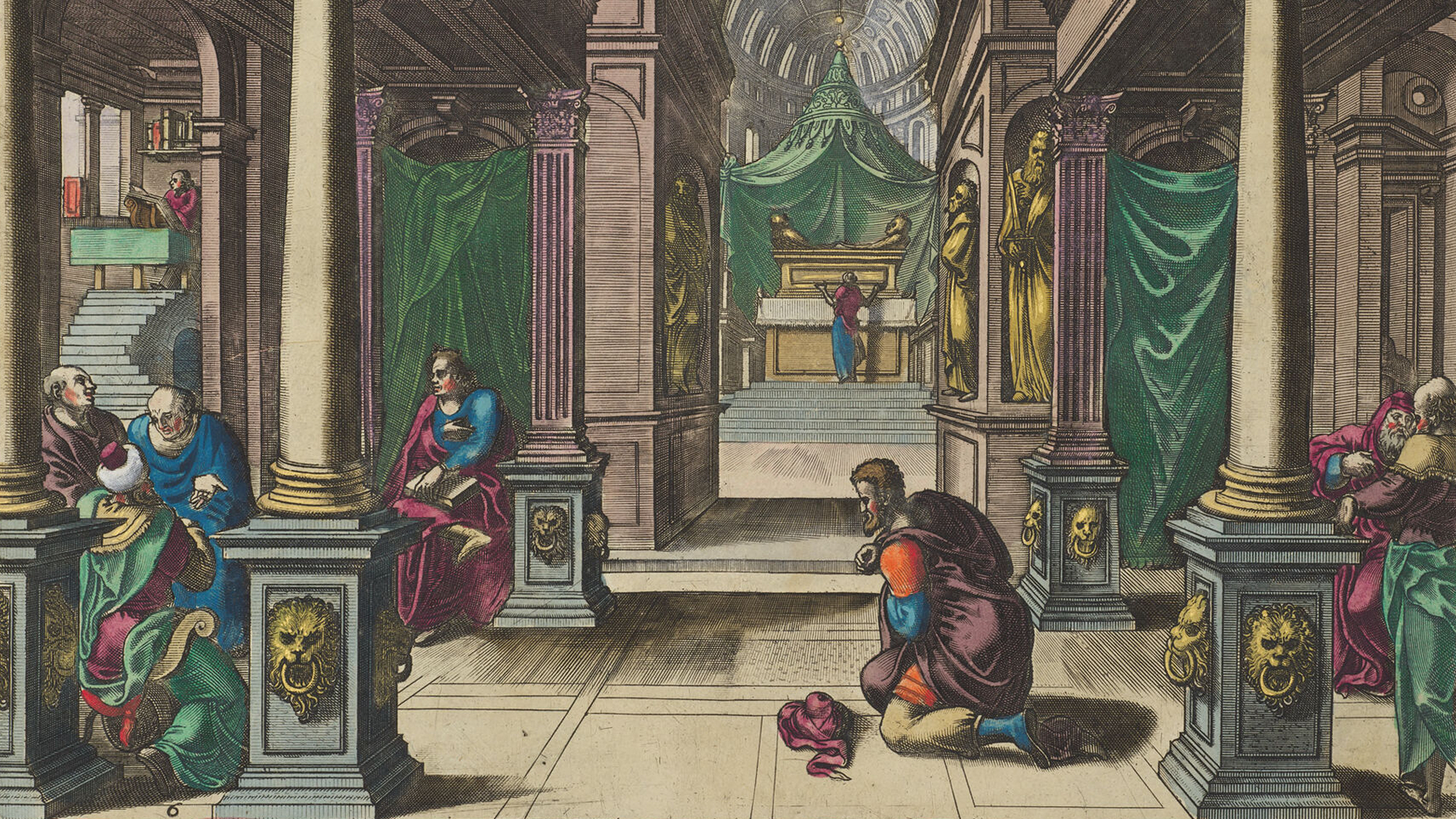
Print by Lucas and Joannes van Doetecum on Harvard Art Museums
The tax collector, standing afar off, would not so much as raise his eyes to heaven, but beat his breast, saying, ‘God, be merciful to me a sinner!’ I tell you, this man went down to his house justified rather than the other; for everyone who exalts himself will be humbled, and he who humbles himself will be exalted.” (Luke 18:13–14, NKJV)

As Jesus traveled toward Jerusalem, many people gathered around Him, asking Him questions and listening to His teaching. Chapter 18 narrates some of Jesus’ encounters as He journeyed toward the Cross. The chapter opens with two parables about the kind of persistent, humble faith that God desires of us. These parables are followed by Jesus’ encounter with the little children, whose persistent, humble faith He instructs us to emulate.

Continue reading

The Days of the Son of Man

Then He said to the disciples, “The days will come when you will desire to see one of the days of the Son of Man, and you will not see it. And they will say to you, ‘Look here!’ or ‘Look there!’ Do not go after them or follow them. For as the lightning that flashes out of one part under heaven shines to the other part under heaven, so also the Son of Man will be in His day. (Luke 17:22–24; NKJV)

As Jesus continued toward Jerusalem, He traveled through Samaria and Galilee (Luke 17:11). This would be his last pass through these regions on His way to the Cross. The warnings about giving offense (vv. 1–4) and about faithful service (vv. 5–10) bring the major section about true service in the Kingdom of God, beginning in Luke 15, to a close. Luke’s narrative now focuses on the coming of God’s Kingdom and the Son of Man.

Continue reading

Today This Scripture Is Fulfilled

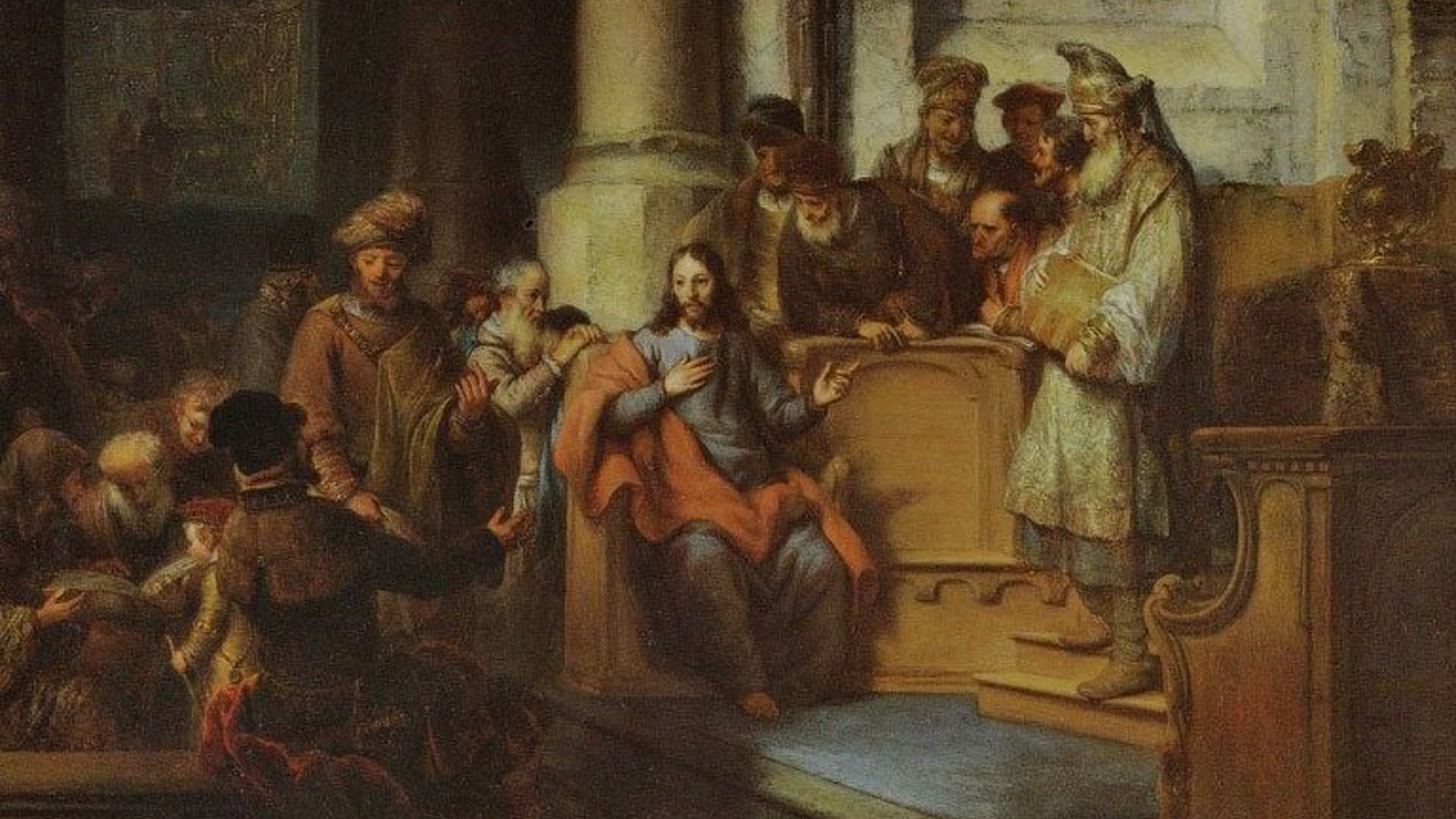
Painting by Gerbrand van den Eeckhout at the National Gallery of Ireland
And He was handed the book of the prophet Isaiah. And when He had opened the book, He found the place where it was written: … Then He closed the book, and gave it back to the attendant and sat down. And the eyes of all who were in the synagogue were fixed on Him. And He began to say to them, “Today this Scripture is fulfilled in your hearing.” (Luke 4:17, 20–21; NKJV)

One of the major themes in the Gospel of Luke is fulfillment. Luke explains this focus in the introduction to his gospel account. In these verses, we see Luke emphasizing that theme in the beginning of Jesus’ earthly ministry.

Continue reading

You Are My Beloved Son

When all the people were baptized, it came to pass that Jesus also was baptized; and while He prayed, the heaven was opened. And the Holy Spirit descended in bodily form like a dove upon Him, and a voice came from heaven which said, “You are My beloved Son; in You I am well pleased.” (Luke 3:21–22; NKJV)

One of the many puzzling events during Jesus’ earthly ministry was His baptism by John in the Jordan. In my last post, we saw that John’s baptism signified the person’s renouncing their sin and turning toward God to receive God’s forgiveness of their sin. This raises the question, why did Jesus get baptized? Did He, too, need forgiveness for His sins?

Continue reading

God Remains with You

Immediately his mouth was opened and his tongue loosed, and he spoke, praising God. Then fear came on all who dwelt around them; and all these sayings were discussed throughout all the hill country of Judea. And all those who heard them kept them in their hearts, saying, “What kind of child will this be?” And the hand of the Lord was with him. (Luke 1:64–66; NKJV)

Have you ever felt distant from God? Maybe you stumbled into sin, doubted His call, or fell victim to evils in the world. Regardless of our circumstances and how we feel about how close God is, Zacharias reminds us that when God calls us His own, then He remains with us.

Continue reading

God Regards the Lowly

And Mary said:
“My soul magnifies the Lord,
And my spirit has rejoiced in God my Savior.
For He has regarded the lowly state of His maidservant;
For behold, henceforth all generations will call me blessed.

(Luke 1:46–48; NKJV)

How do you respond when God changes the direction of your life? When He upends your carefully laid plans? Change is hard. It’s often chaotic and stressful as well. Mary’s response shows us how God designed us to respond to His moving in our lives—humbly trusting Him to plan our way, protect us, and provide for us as we find our joy and peace in Him.

Continue reading

Trusting in God’s Promises

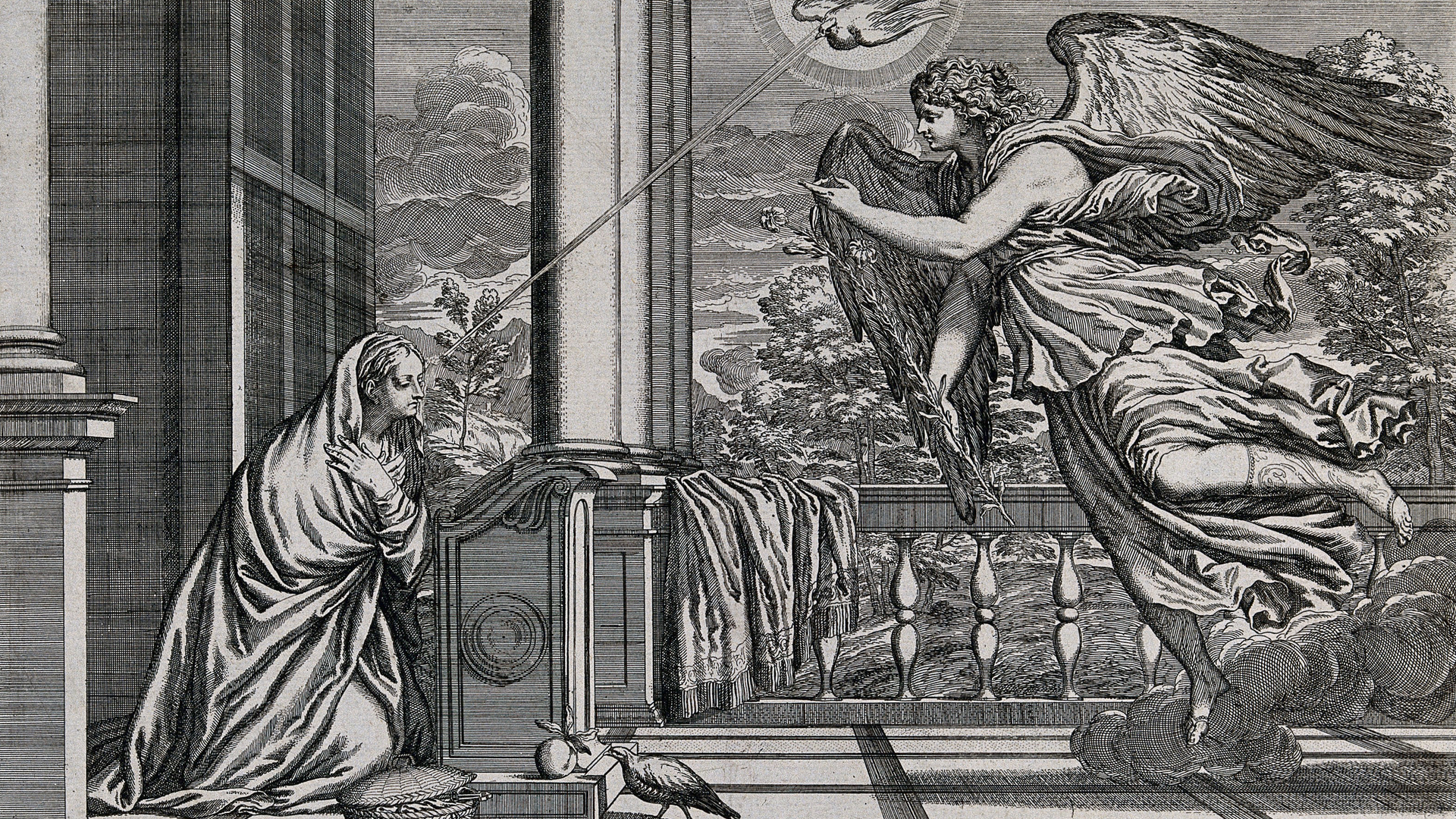
Then Mary said to the angel, “How can this be, since I do not know a man?” And the angel answered and said to her, “The Holy Spirit will come upon you, and the power of the Highest will overshadow you; therefore, also, that Holy One who is to be born will be called the Son of God. … Then Mary said, “Behold the maidservant of the Lord! Let it be to me according to your word.” And the angel departed from her. (Luke 1:34–35, 38; NKJV)

One of the interesting things we find reading through books of the Bible is seeing how different passages relate to each other. For example, God often places narratives side-by-side to highlight key ideas (called parallelism). Luke wrote the narratives of Zacharias and Mary in this way, highlighting the idea of trusting in God and His promises.

Continue reading

God Keeps His Promises

Inasmuch as many have taken in hand to set in order a narrative of those things which have been fulfilled among us, just as those who from the beginning were eyewitnesses and ministers of the word delivered them to us, it seemed good to me also, having had perfect understanding of all things from the very first, to write to you an orderly account, most excellent Theophilus, that you may know the certainty of those things in which you were instructed. (Luke 1:1–4; NKJV)

Each of the Gospels gives a slightly different look at the major events during Jesus’ earthly life and ministry. Luke, in the opening verses of his narrative, sets his focus on providing an “orderly account” of “those things which have been fulfilled among us.” Fulfillment is an important biblical idea that gives us gives us confident hope in God and His promises to us.

Continue reading

The Parable of the Fig Tree

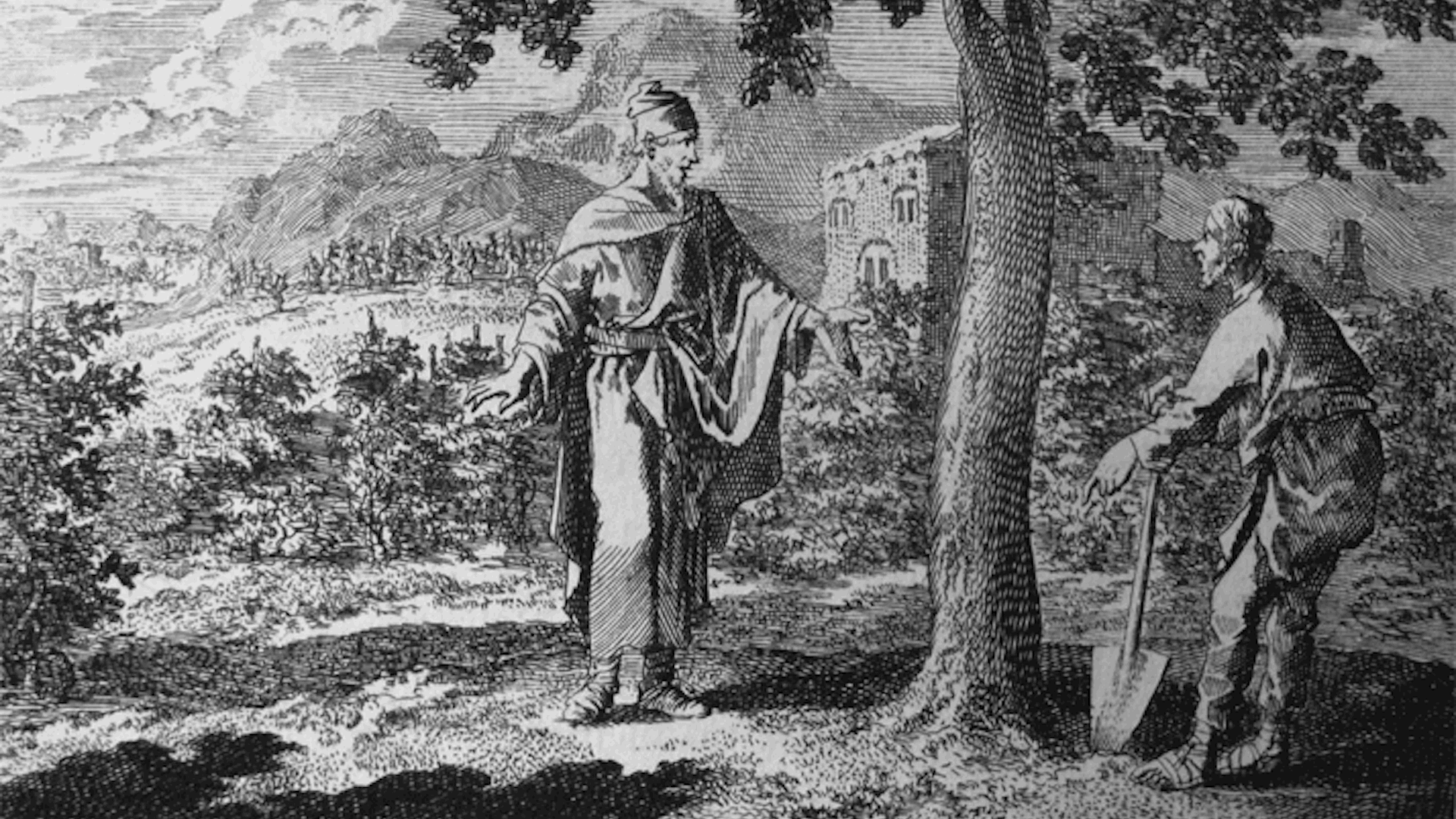
He also spoke this parable: “A certain man had a fig tree planted in his vineyard, and he came seeking fruit on it and found none. Then he said to the keeper of his vineyard, ‘Look, for three years I have come seeking fruit on this fig tree and find none. Cut it down; why does it use up the ground?’ But he answered and said to him, ‘Sir, let it alone this year also, until I dig around it and fertilize it. And if it bears fruit, well. But if not, after that you can cut it down.’ ” (Luke 13:6–9; NKJV)

The Parable of the Fig Tree is an important message about Israel, repentance, and receiving Jesus. But before we can understand what it means, we need to look at its context.

Continue reading