The Parable of the Unjust Steward

“And I say to you, make friends for yourselves by unrighteous mammon, that when you fail, they may receive you into an everlasting home. He who is faithful in what is least is faithful also in much; and he who is unjust in what is least is unjust also in much.” (Luke 16:9–10; NKJV)

Some things in Scripture are hard to understand. For me, the Parable of the Unjust Steward is one of those things. From the first time I read it, I’ve struggled to relate the story in the parable to its moral. Is Jesus really praising the unjust steward? Is He telling us to gain earthly riches through unrighteousness? Well, I’ve just come across this parable again in my personal devotions, and now seems as good a time as any to try and understand it.

Continue reading

How to Study the Bible

How sweet are Your words to my taste,
Sweeter than honey to my mouth!
Through Your precepts I get understanding;
Therefore I hate every false way.

(Psalm 119:103–104; NKJV)

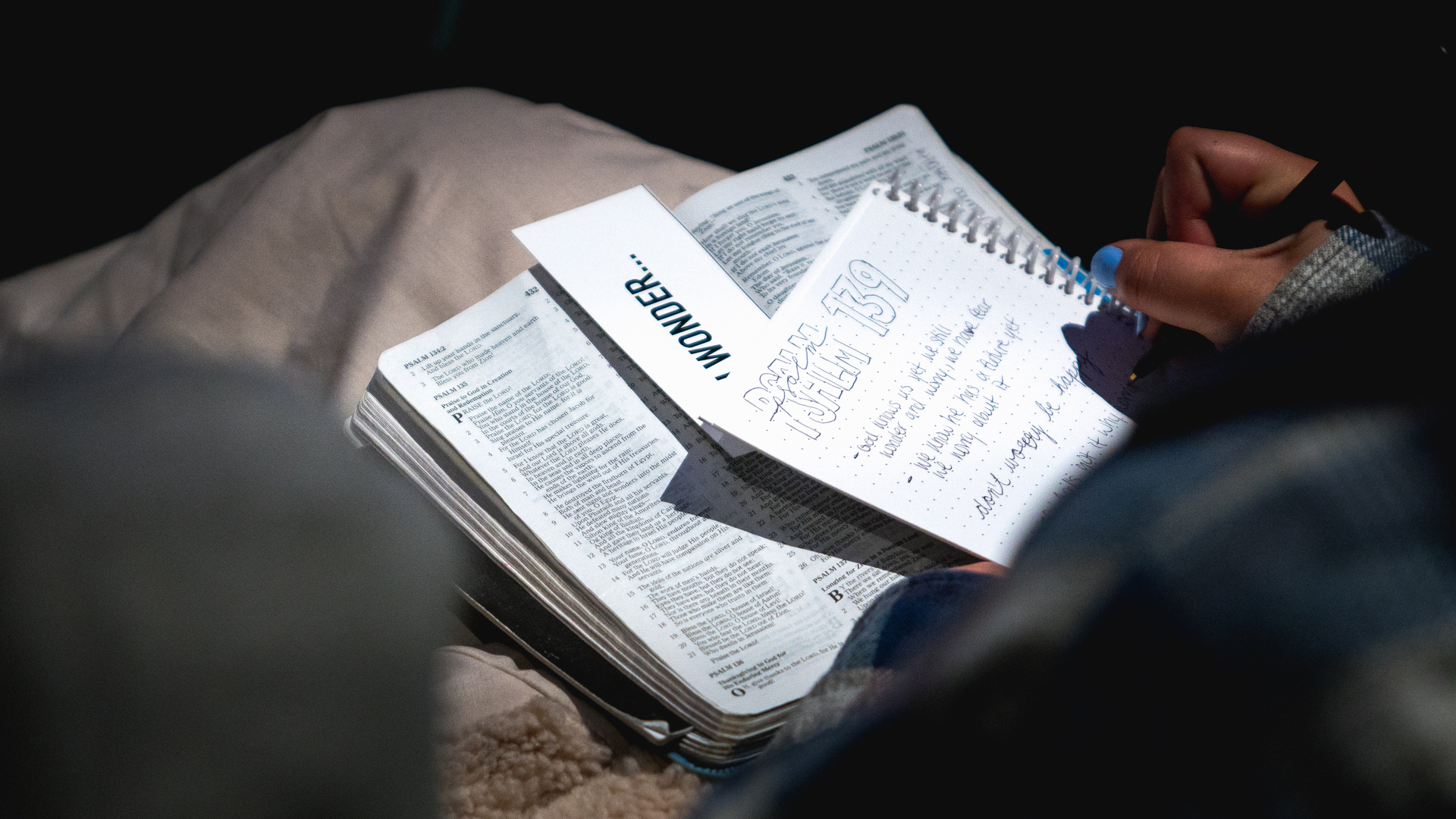
In a recent post, I explained why studying the Bible is important. But, as I mentioned, the Bible is a large collection of books written long ago in far-away places covering a wide range of topics. Where do you start? What is the goal? How do you do it? Here is a basic introduction to how I do Bible study.

Continue reading

Why Study the Bible?

Be diligent to present yourself approved to God, a worker who does not need to be ashamed, rightly dividing the word of truth. But shun profane and idle babblings, for they will increase to more ungodliness. And their message will spread like cancer. (2 Timothy 2:15–17; NKJV)

Since the earliest days of Christianity, believers have not only read the Bible, but also committed themselves to studying it. Two thousand years of study have brought quite a lot of diverse and detailed viewpoints. But why study the Bible at all? Isn’t the Bible simple enough for even a child to understand? And haven’t theologians figured it all out by now? Let’s dive in.

Continue reading

Why Read the Bible?

We have the prophetic word confirmed, which you do well to heed as a light that shines in a dark place, until the day dawns and the morning star rises in your hearts; knowing this first, that no prophecy of Scripture is of any private interpretation, for prophecy never came by the will of man, but holy men of God spoke as they were moved by the Holy Spirit. (2 Peter 1:19–21; NKJV)

For nearly 2000 years, the Bible has been a source of comfort, wisdom, and hope for Christians around the world. But the modern West has grown increasingly opposed to the Bible, seeing it as outdated and irrelevant for modern life. Is the Bible relevant? Does it have any value today? Let’s take a look.

Continue reading