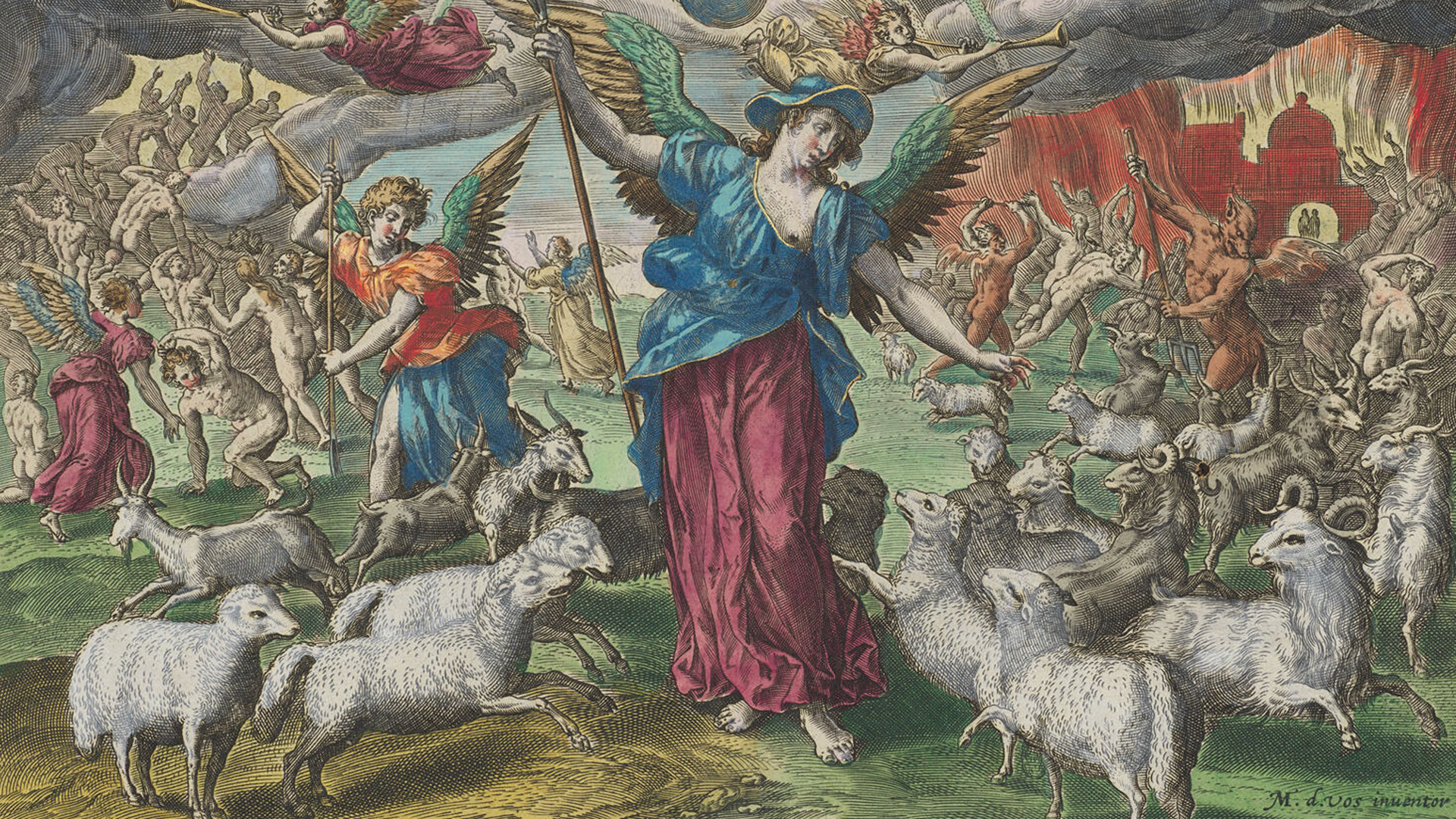
Three Takeaways from Genesis

Last week I finished reading through the book of Genesis. Genesis is the first book of the Bible. It has been called “the book of beginnings,” because it describes the beginning of Creation, humankind, sin, salvation, Israel, and many other important themes woven throughout Scripture.1 Here are my three main takeaways from this read through Genesis.

1. God created us to live by faith. When God created Adam and Eve, He gave very few instructions, one clear boundary, and one warning about violating that boundary. God did not dictate Adam and Eve’s every thought and action. Instead, God invited them to trust Him with their lives. And when they ate the fruit of the tree of the knowledge of good and evil, they chose to trust their own feelings instead of God, and thus rebelled against their Creator (Genesis 3:6).

The theme of faith is woven throughout the tapestry of Genesis. Abel offered a sacrifice by faith, Noah built the ark, Abraham left his homeland, Sarah conceived at an advanced age and gave birth to Isaac, Jacob blessed Joseph’s sons, and Joseph prophesied Israel’s return from Egypt (Heb 11:4–22). God gave only a few clear instructions to the Patriarchs while inviting them to trust Him with their lives and livelihoods.

We all live daily by faith in many ways. We go to bed believing we will wake the next day and the sun will rise in the morning. We wake in the morning believing our senses accurately depict the world. We get into a vehicle believing it will start, run properly, and other drivers will drive competently. We work believing our employers and clients will compensate us for our labor.

It’s not a matter of if we live by faith, but who or what we put our faith in. But is anyone or anything truly deserving of our faith? People frequently let us down. We let them down, too. And nothing in Creation is self-sustaining—every physical thing will eventually break down or wear out.

But there is One who transcends Creation, whose character is unchanging and existence spans eternity. Scripture tells us that our triune God upholds and sustains all things through Jesus Christ the Son (Colossians 1:15–17). And God created us to pursue a life of actively trusting our moments, circumstances, and eternity to Him.

The application of this idea is twofold: 1. Have I trusted Jesus to save me from my sin and give me eternal life with Him? 2. If so, am I looking daily to Jesus as Lord of my life? If the answer to either of those questions is no, then ask yourself, why not? If the answer to both questions is yes, receive and live in the fullness of joy that comes from an ongoing relationship with Jesus (John 15:1–11)!

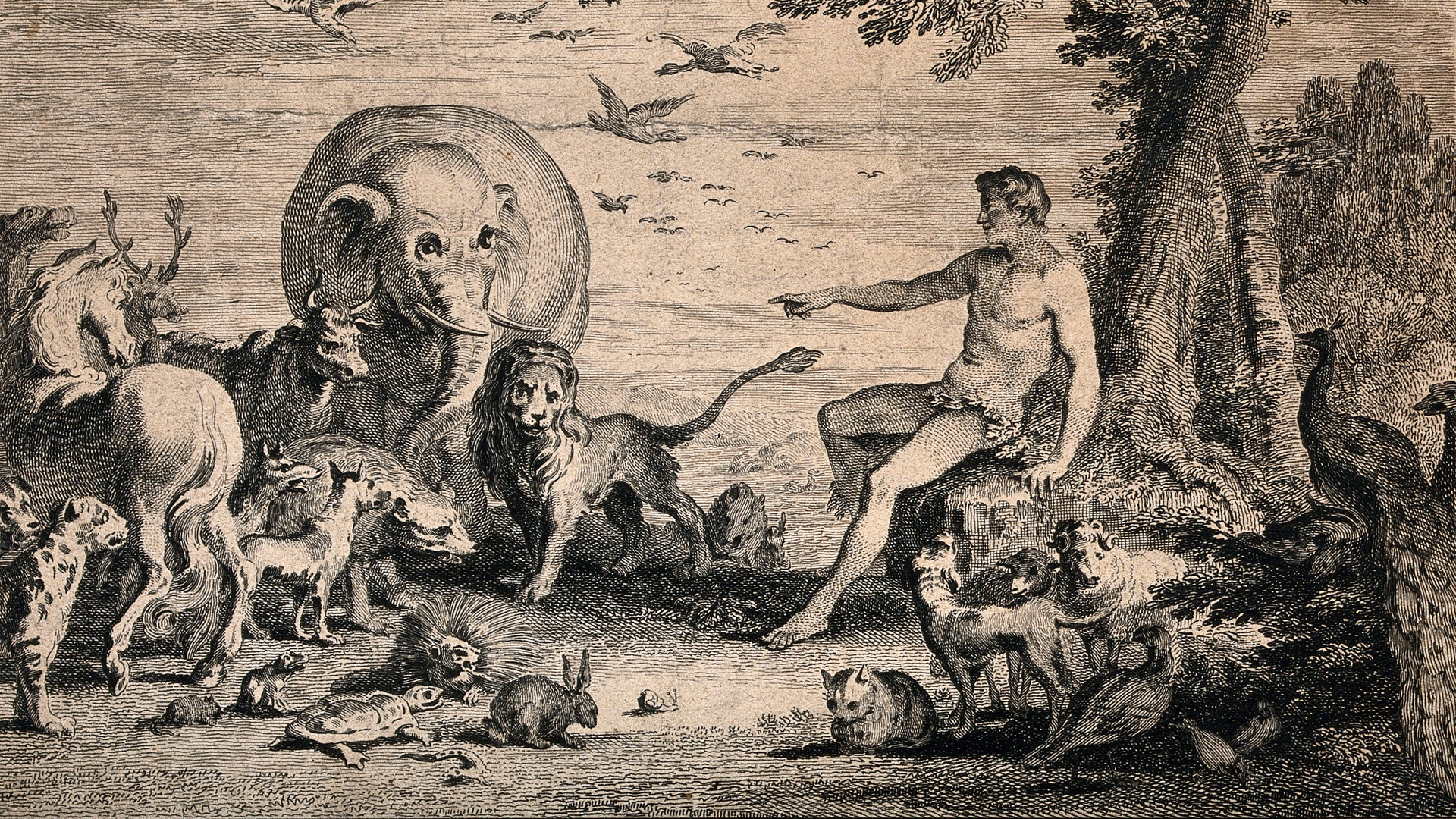
2. God created us to thrive in relationship. In Genesis 2:18–25, God paraded the animals in front of Adam. Adam named the animals and discovered none of the animals were like him. Adam was alone, and his solitude was the first detail of Creation that God said was “not good” (v. 18). So, after Adam understood his solitude, God caused him to sleep and created the woman, Eve, as a suitable companion to Him.

It is significant that God made Eve from Adam’s side. He didn’t make Eve from Adam’s head, to rule over him. And God didn’t make Eve from Adam’s feet, to be ruled by him. God designed men and women to live as complementary equals in God-honoring, lifelong unions (Matthew 19:1–12). And from these unions God intended for Adam and Eve, though the act of procreation, to fill the world with people living in gracious, loving relationships with one another (Genesis 1:28; Romans 12:19–21).

Relationships are hard work. For one, our sinfulness compels us to put our own wants above the needs of others. Second and related, our sinfulness compels us to demand from others what God hasn’t provided or empowered them to give. And how quickly we abuse or neglect others when they don’t serve our every wish! Sadly, I have seen these sinful patterns plague marriages and the church just as much as secular workplaces and the world.

How do we apply this truth in a sinful world? Three ideas come to mind: 1. Acknowledge that God created us to live in relationship with Himself and others. 2. Acknowledge God’s design for each of those relationships—faith-filled devotion toward God and gracious love toward others. 3. Pray and study the Bible asking God to give you wisdom to live out God’s design in your own relationships with Him and others.

3. God created us to care for Creation. When God created humankind, He created us in ways that made us unique among all living creatures. First, He made us in His image and likeness (Genesis 1:26a). Second, He gave us dominion over all the other living creatures (Genesis 1:26b). Third, He instructed us to exercise that dominion by cultivating the earth so the plants produce food (Genesis 1:29–30; 2:15).

What does this teach us about God’s design for humankind? Of all the living creatures, humans alone are image-bearers of God. Biologically, we might fit a specific category of the animal kingdom, but God has made us uniquely different from all other living creatures for a purpose. These differences—including consciousness, and morality, and spirituality—enable us to exercise authority over Creation while also making us accountable to God for how we use that authority.

Creation is a gift from God teeming with life and resources. God has empowered us to shepherd those lives and cultivate those resources for His glory and for the good of all living creatures. He will hold us accountable to that. When we abuse and neglect living creatures, and waste and destroy the earth, we are sinning against God and His Creation.

Application of this idea can be very challenging. Here are two questions that will help develop a godly mindset toward Creation: 1. Is this action honoring to God, Creation, other people, and myself? 2. Do I expect this action to result in longterm harm to Creation, other people, or myself? If the answer to either of those questions is yes, then there is a good reason to pause and prayerfully consider if the action is truly aligned with God’s good purposes for the world and our lives.

Closing. In Genesis, God introduces us to His design for Creation, how that design went off-track, and how we can rediscover God’s design in our own lives. God’s design for humankind is woven throughout Genesis: God created us to live by faith, to thrive in relationship, and to care for Creation. Do you want to discover God’s design for your own life? I encourage you to begin by trusting Him with your eternity and in your daily life, seeking out gracious, loving relationships that point you toward Jesus, and adopting a God-honoring mindset toward Creation and others.

Notes

  1. Allen P. Ross, “Genesis,” in The Bible Knowledge Commentary: An Exposition of the Scriptures: Old Testament, ed. John F. Walvoord and Roy B. Zuck (Wheaton, IL: Victor Books, 1985), 15. Logos Bible Software.

Goals for the New Year, 2026 Edition

Photo by Tim Northup
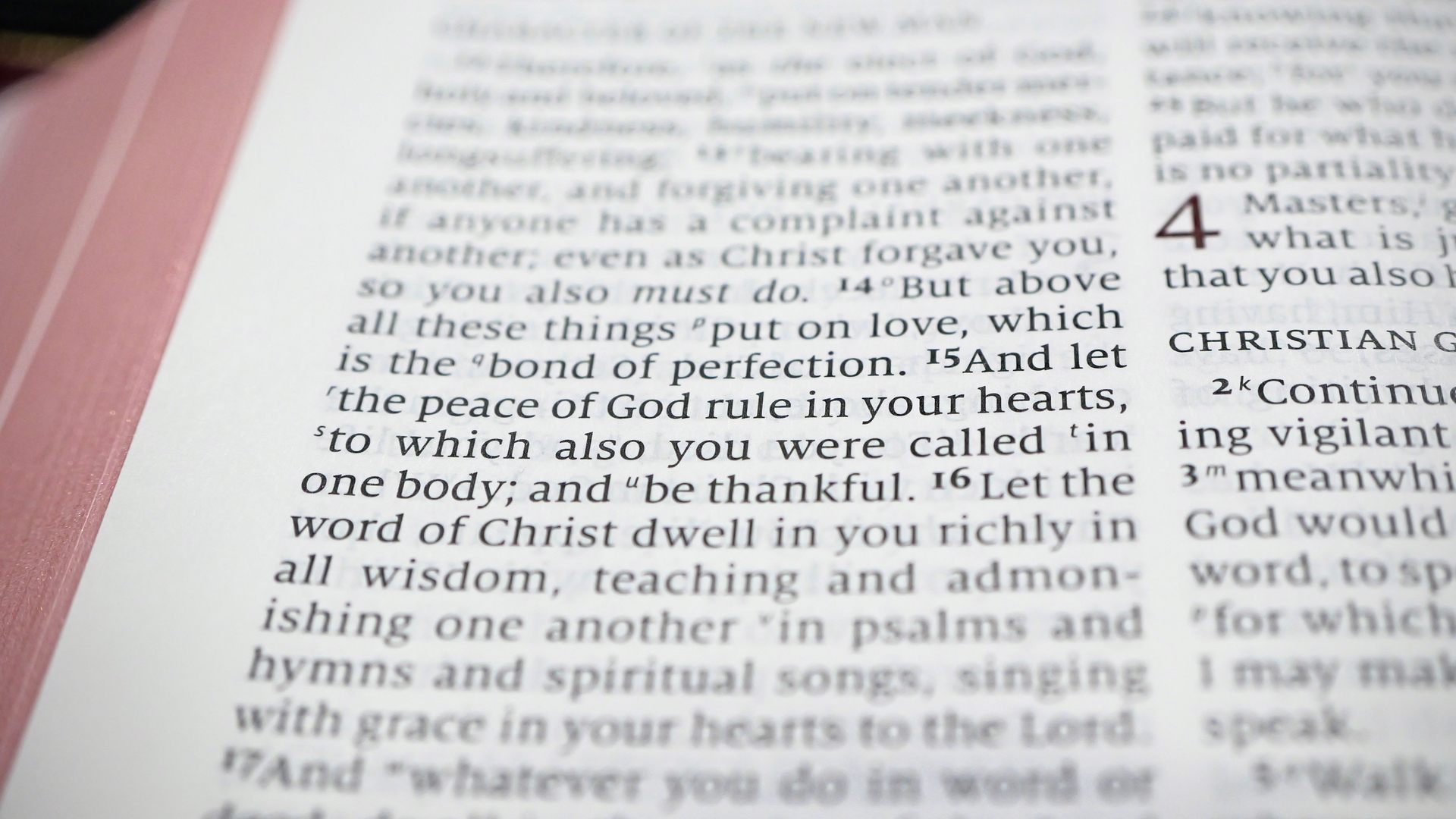
But above all these things put on love, which is the bond of perfection. 15 And let the peace of God rule in your hearts, to which also you were called in one body; and be thankful. 16 Let the word of Christ dwell in you richly in all wisdom, teaching and admonishing one another in psalms and hymns and spiritual songs, singing with grace in your hearts to the Lord. (Colossians 3:14–16, NKJV)

For me, 2025 was a rough year. I wrote about that elsewhere, so I don’t want to dwell on that here. After a rough year, it’s difficult to dream about what God might have in store for the upcoming year. But dwelling on past struggles is a sure way to stay stuck in life. So, I’m prayerfully dreaming about 2026 by setting some goals that I’m sharing here.

Continue reading

Year in Review, 2025 Edition

1 For everything there is a season,
a time for every activity under heaven.

4 A time to cry and a time to laugh.
A time to grieve and a time to dance.

5 A time to scatter stones and a time to gather stones.
A time to embrace and a time to turn away.

(Ecclesiastes 3:1, 4–5, NLT)

This past year has been a wild ride. More transitions, another move, and four major losses that brought four significant chapters of my life to a close. Honestly, it’s been unexpectedly difficult and I’m looking forward to putting 2025 behind me.

Continue reading

God’s Heart in Worship

9  Give to the Lord, O families of the peoples,
Give to the Lord glory and strength.
10 Give to the Lord the glory due His name;
Bring an offering, and come into His courts.
11 Oh, worship the Lord in the beauty of holiness!
Tremble before Him, all the earth.
(Psalm 96:7–9, NKJV)

Psalm 96 has been a favorite of mine for several years. Recently, as I was prayerfully reflecting on it, verses 7–9 really stood out to me. What I noticed was that, quite literally in the heart of the Psalm (this middle of five stanzas), the Psalmist has poetically captured a sense of God’s heart in our worship. Here, I’d like to mention three details the Lord has impressed upon my heart from these three verses.

Continue reading

Jesus Himself Drew Near

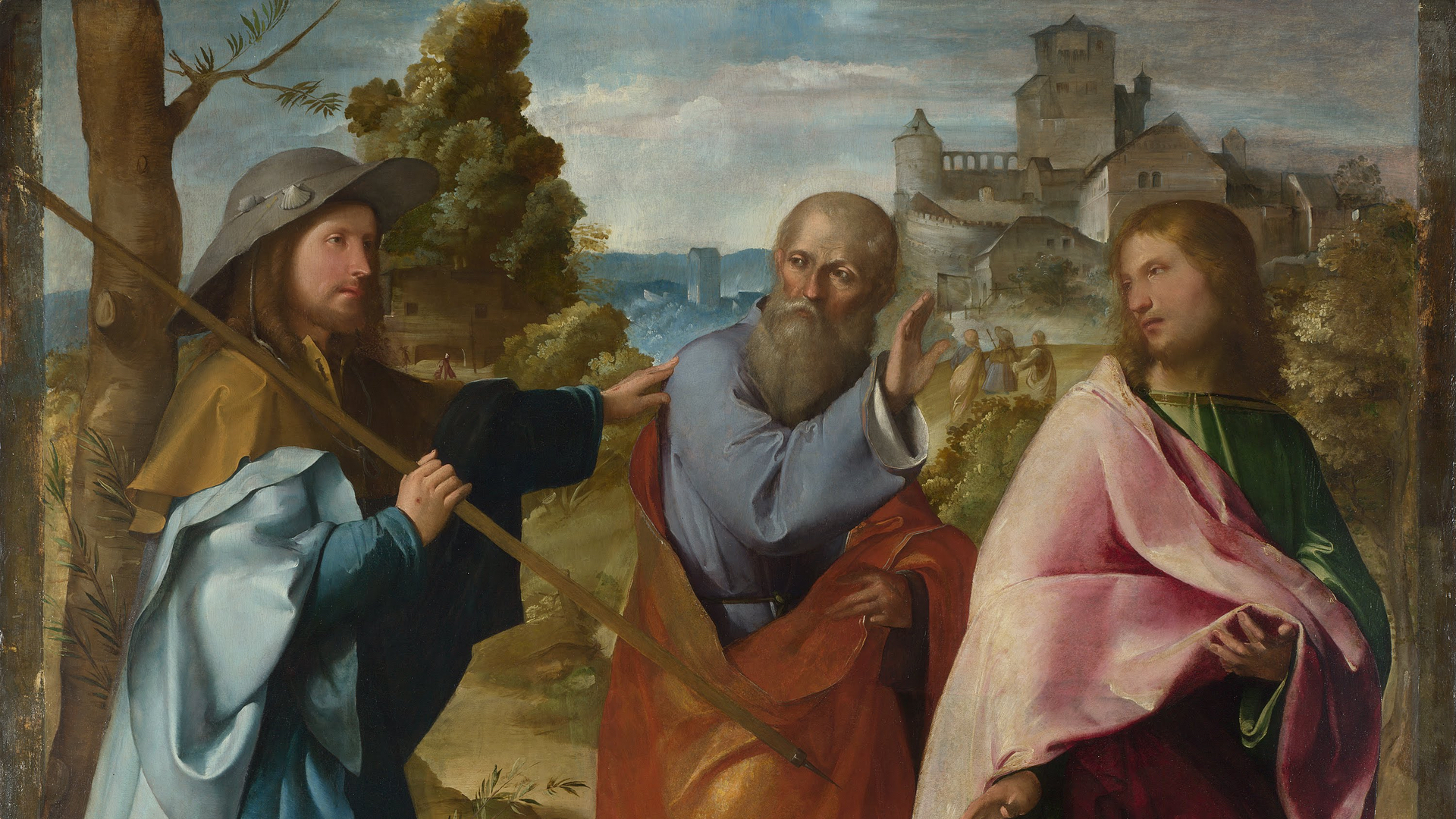
Now behold, two of them were traveling that same day to a village called Emmaus, which was seven miles from Jerusalem. And they talked together of all these things which had happened. So it was, while they conversed and reasoned, that Jesus Himself drew near and went with them. (Luke 24:13–15, NKJV)

The early morning sun crested over the horizon on the first day of the week. It was now the third day since Jesus was crucified, killed, and buried. A small group of faithful women, followers of Jesus, brought spices they had prepared to the tomb (Luke 24:2).

Continue reading

He Breathed His Last

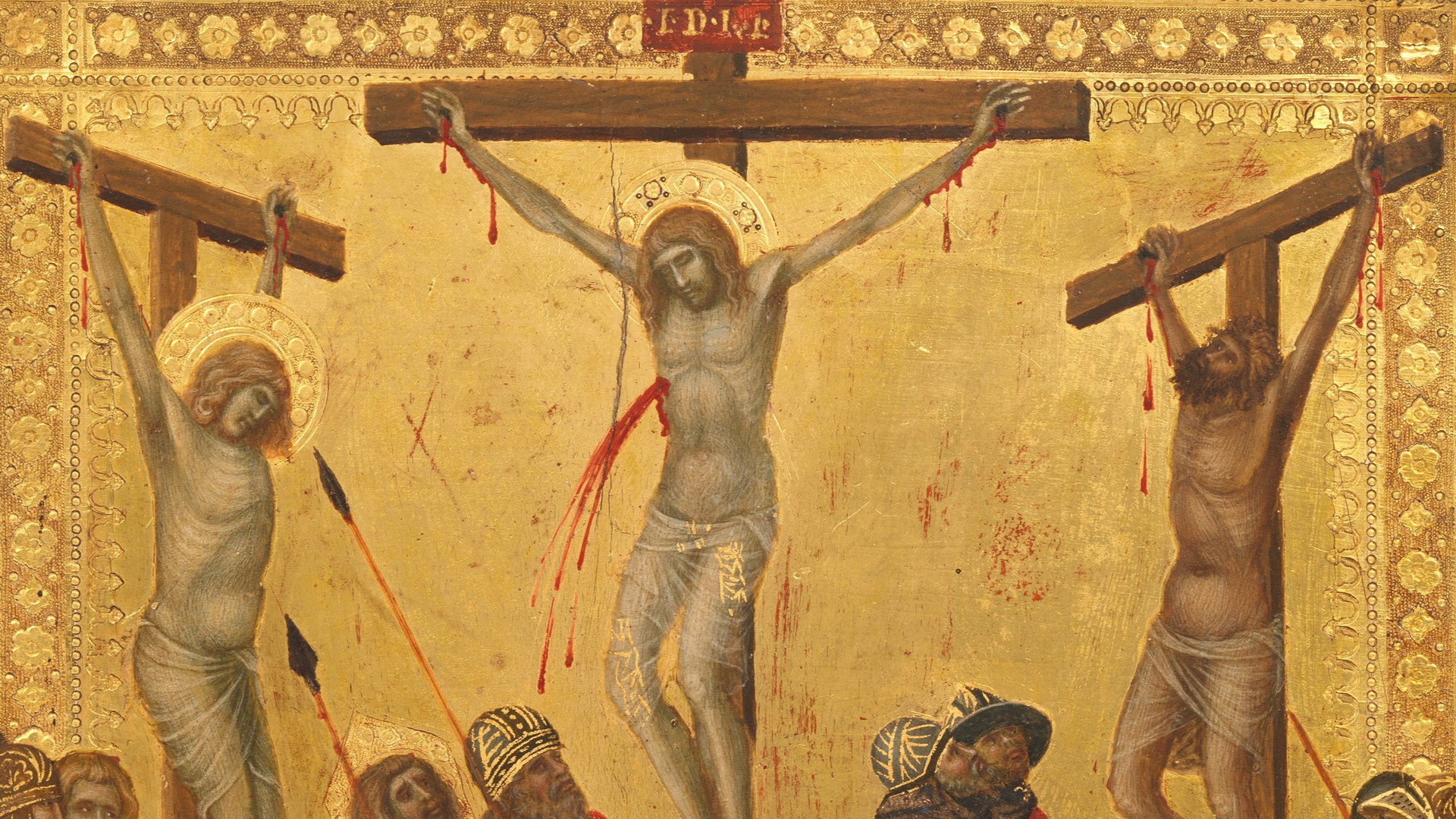
Painting by Pietro Lorenzetti on The Metropolitan Museum
Now it was about the sixth hour, and there was darkness over all the earth until the ninth hour. Then the sun was darkened, and the veil of the temple was torn in two. And when Jesus had cried out with a loud voice, He said, “Father, ‘into Your hands I commit My spirit.’ ” Having said this, He breathed His last. (Luke 23:44–46, NKJV)

Friday morning, as the first light was appearing, the arresting mob took Jesus to the Jewish ruling council, the Sanhedrin (Luke 22:66–71). Jesus said little during this trial. But Jesus surely knew the power of the words He spoke. The Sanhedrin’s response, “What further testimony do we need? For we have heard it ourselves from His own mouth” (vv. 71), evidences the meaning of Jesus’ humble affirmation that He is “the Christ, the chosen of God” (Luke 23:35).

Continue reading

He Answered Him Nothing

Painting by James Tissot on Brooklyn Museum
Now when Herod saw Jesus, he was exceedingly glad; for he had desired for a long time to see Him, because he had heard many things about Him, and he hoped to see some miracle done by Him. Then he questioned Him with many words, but He answered him nothing (Luke 23:8–9, NKJV)

On Friday morning,“the multitude” took Jesus to Pilate. In Jewish tradition, the 24-hour day begins at sundown and continues through the night into the morning, ending at twilight the following day. So, by Jewish reckoning, this was not a new “day,” but the morning of the 15th of Nisan and a continuation of the Passover day.1

Continue reading

Lest You Enter into Temptation

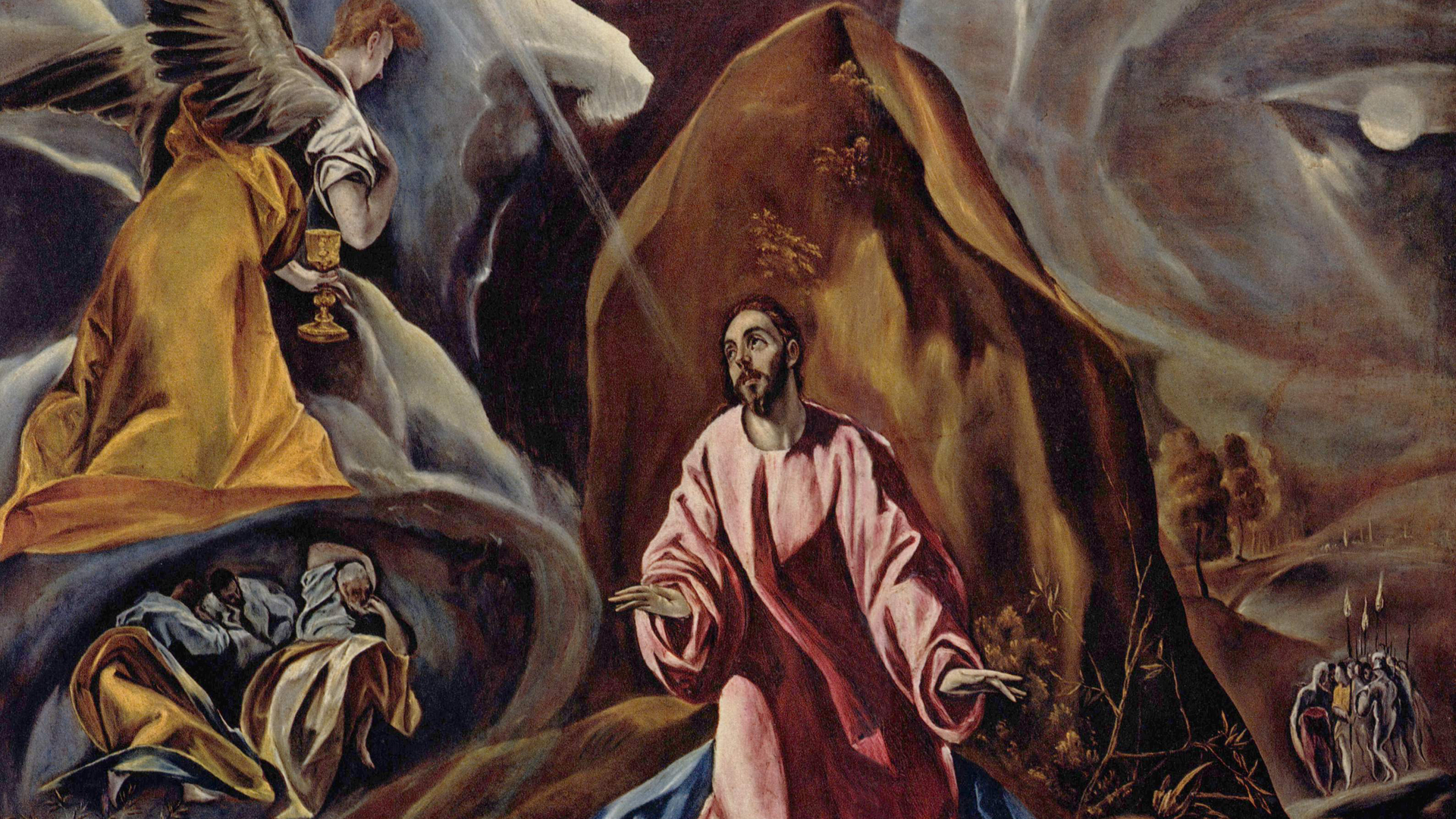
Painting by El Greco on Wikimedia Commons
And He was withdrawn from them about a stone’s throw, and He knelt down and prayed, saying, “Father, if it is Your will, take this cup away from Me; nevertheless not My will, but Yours, be done.” Then an angel appeared to Him from heaven, strengthening Him. (Luke 22:41–43; NKJV)

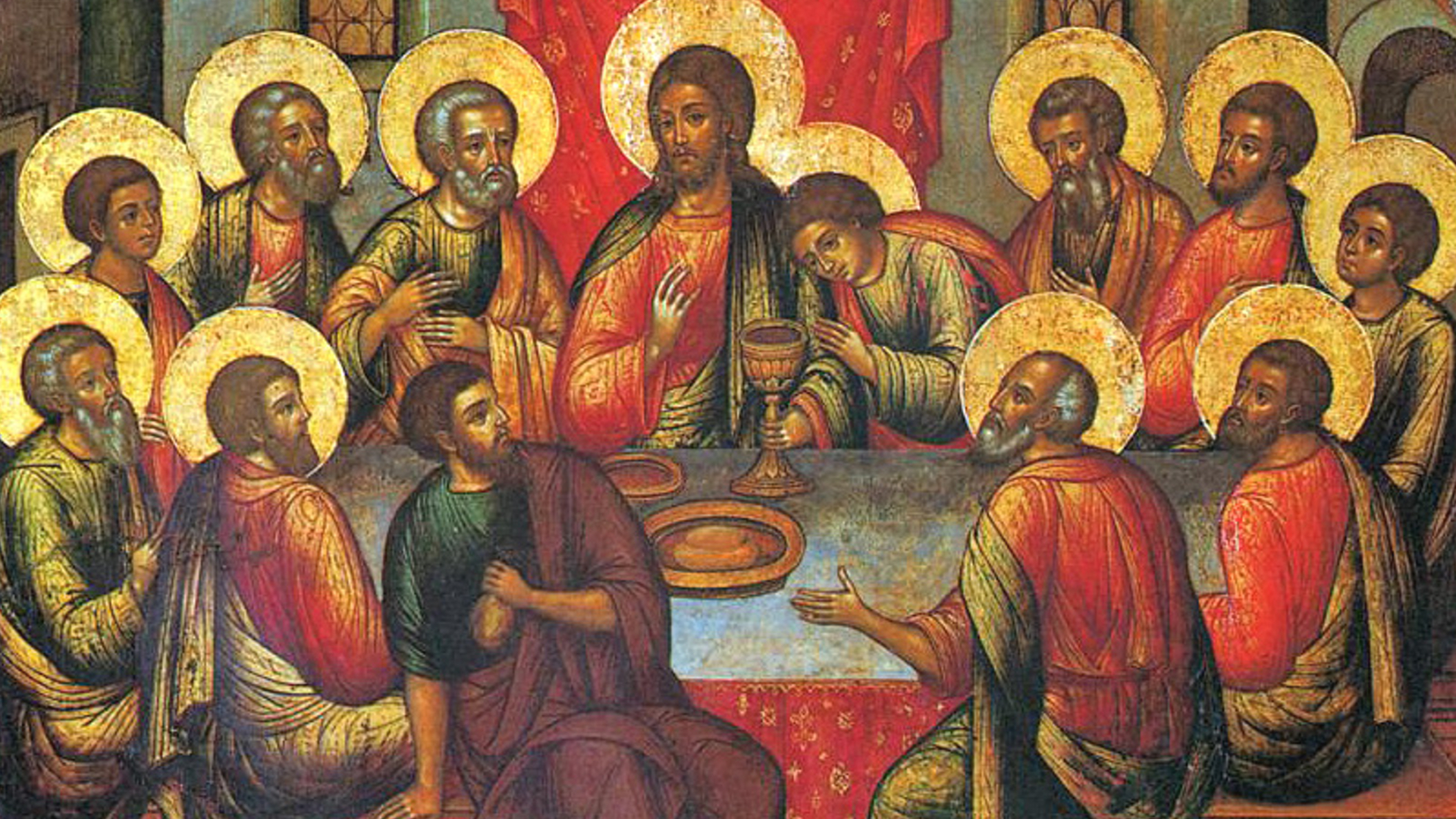
Jesus’ Passover observance with the Twelve was the last time He and the Twelve were altogether. Toward the end of the meal, Jesus released Judas to carry out the plans he had already committed his heart to do (John 13:18–30). A few hours later, in the Garden of Gethsemane on the Mount of Olives (Mark 14:32; Luke 22:39), Judas arrived with “a multitude” to arrest Jesus, betraying Him “with a kiss” (Luke 22:47–48).

Continue reading

As He Who Serves

And He said to them, “The kings of the Gentiles exercise lordship over them, and those who exercise authority over them are called ‘benefactors.’ But not so among you; on the contrary, he who is greatest among you, let him be as the younger, and he who governs as he who serves. For who is greater, he who sits at the table, or he who serves? Is it not he who sits at the table? Yet I am among you as the One who serves. (Luke 22:25–27)

Luke 22 brings us to the Day of Unleavened Bread, “when the Passover [Lamb] must be killed” (Luke 22:7). Sometime during the few days leading up to this one, two important, parallel events happened involving two of Jesus’ closest followers.

Continue reading

Possess Your Souls

Therefore settle it in your hearts not to meditate beforehand on what you will answer; for I will give you a mouth and wisdom which all your adversaries will not be able to contradict or resist. … you will be hated by all for My name’s sake. But not a hair of your head shall be lost. By your patience possess your souls. (Luke 21:14–19; NKJV)

Luke 21 brings us to one of the many challenging passages in the Gospels. This is Luke’s account of the Olivet Discourse, where He answers the disciples’ questions about the future destruction of Jerusalem and His Second Coming.
Continue reading