God’s Heart in Worship

9  Give to the Lord, O families of the peoples,
Give to the Lord glory and strength.
10 Give to the Lord the glory due His name;
Bring an offering, and come into His courts.
11 Oh, worship the Lord in the beauty of holiness!
Tremble before Him, all the earth.
(Psalm 96:7–9, NKJV)

Psalm 96 has been a favorite of mine for several years. Recently, as I was prayerfully reflecting on it, verses 7–9 really stood out to me. What I noticed was that, quite literally in the heart of the Psalm (this middle of five stanzas), the Psalmist has poetically captured a sense of God’s heart in our worship. Here, I’d like to mention three details the Lord has impressed upon my heart from these three verses.

Continue reading
Jesus Himself Drew Near

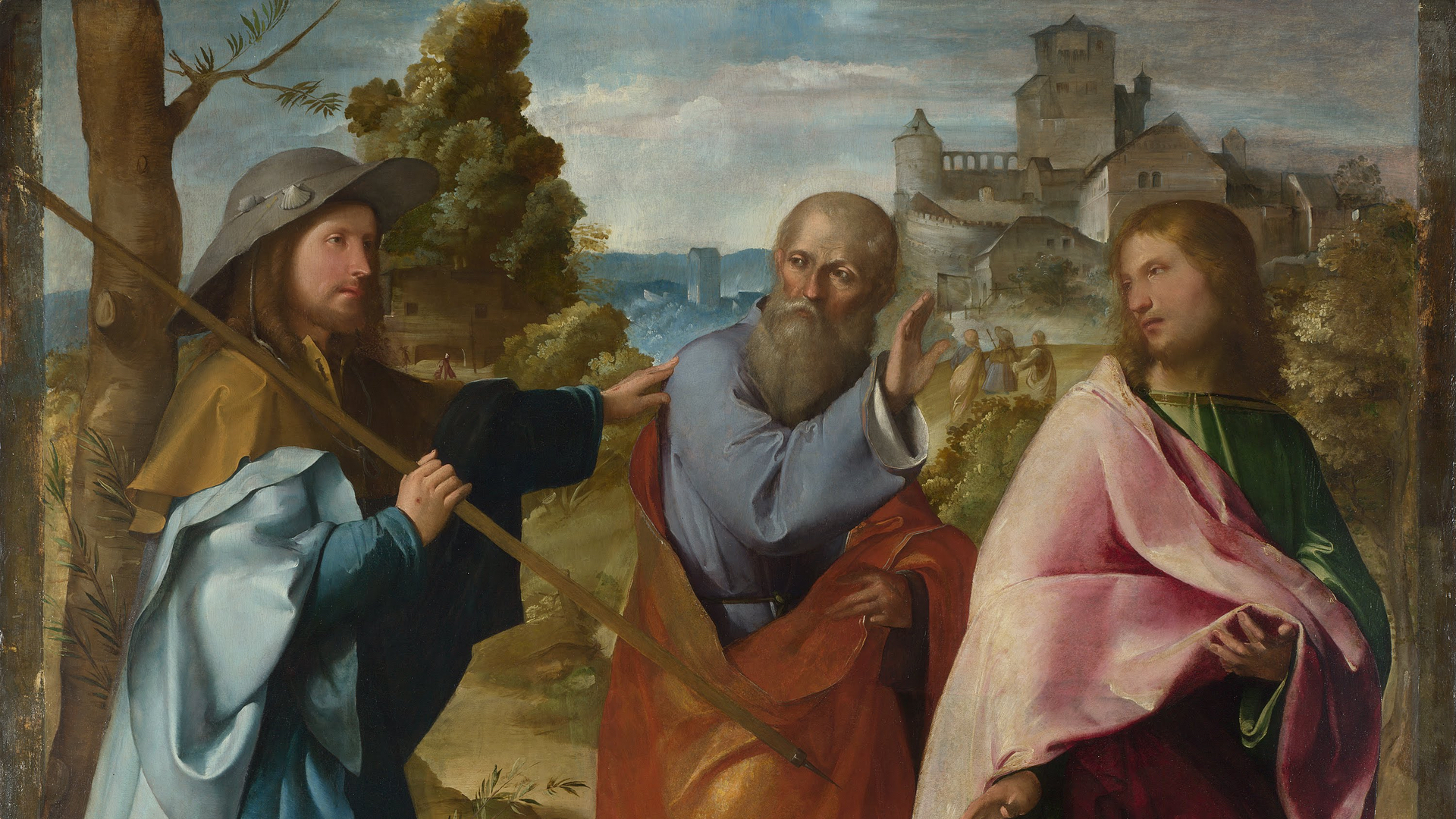
Now behold, two of them were traveling that same day to a village called Emmaus, which was seven miles from Jerusalem. And they talked together of all these things which had happened. So it was, while they conversed and reasoned, that Jesus Himself drew near and went with them. (Luke 24:13–15, NKJV)

The early morning sun crested over the horizon on the first day of the week. It was now the third day since Jesus was crucified, killed, and buried. A small group of faithful women, followers of Jesus, brought spices they had prepared to the tomb (Luke 24:2).

Continue reading

He Breathed His Last

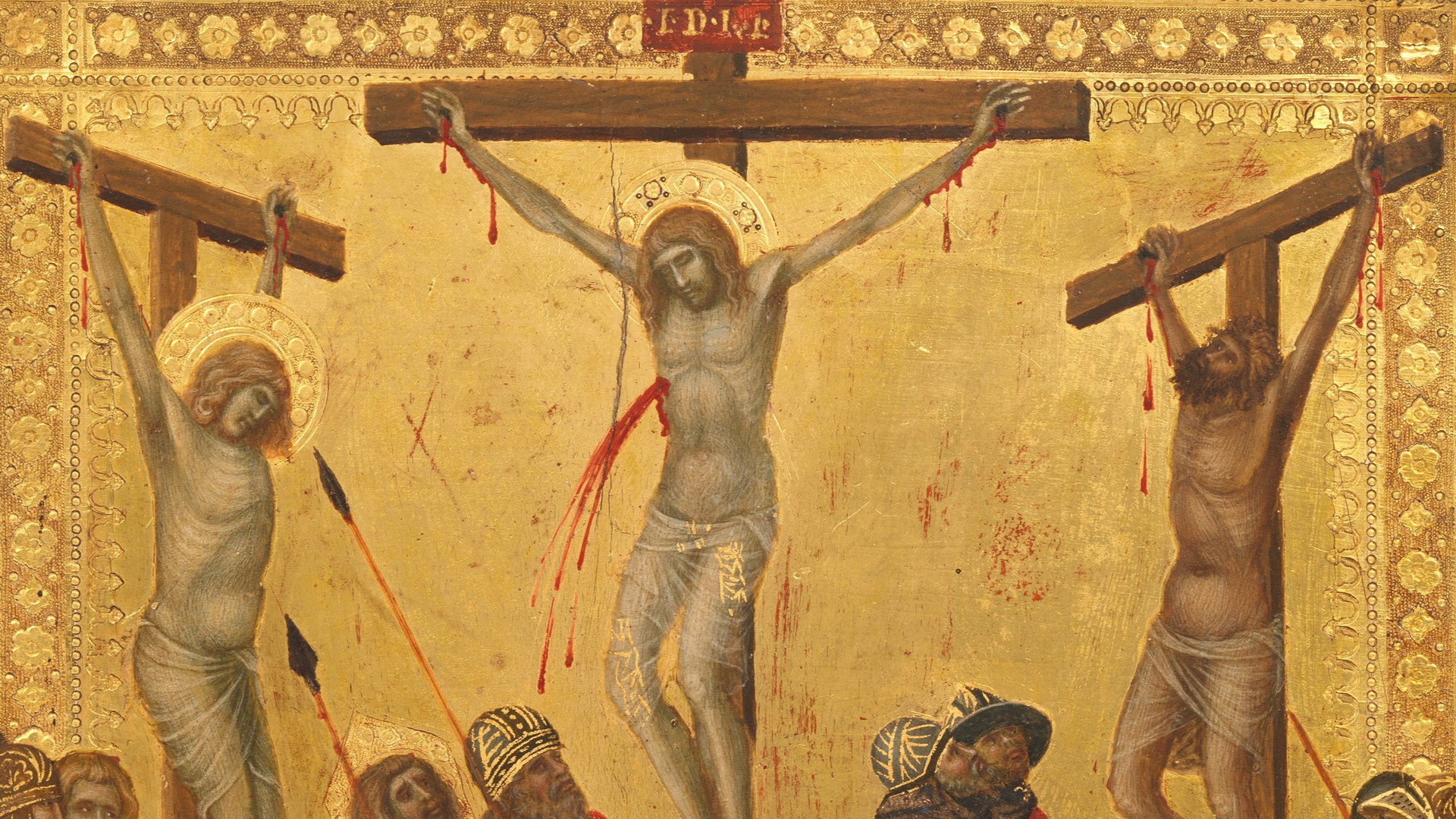
Painting by Pietro Lorenzetti on The Metropolitan Museum
Now it was about the sixth hour, and there was darkness over all the earth until the ninth hour. Then the sun was darkened, and the veil of the temple was torn in two. And when Jesus had cried out with a loud voice, He said, “Father, ‘into Your hands I commit My spirit.’ ” Having said this, He breathed His last. (Luke 23:44–46, NKJV)

Friday morning, as the first light was appearing, the arresting mob took Jesus to the Jewish ruling council, the Sanhedrin (Luke 22:66–71). Jesus said little during this trial. But Jesus surely knew the power of the words He spoke. The Sanhedrin’s response, “What further testimony do we need? For we have heard it ourselves from His own mouth” (vv. 71), evidences the meaning of Jesus’ humble affirmation that He is “the Christ, the chosen of God” (Luke 23:35).

Continue reading

He Answered Him Nothing

Painting by James Tissot on Brooklyn Museum
Now when Herod saw Jesus, he was exceedingly glad; for he had desired for a long time to see Him, because he had heard many things about Him, and he hoped to see some miracle done by Him. Then he questioned Him with many words, but He answered him nothing (Luke 23:8–9, NKJV)

On Friday morning,“the multitude” took Jesus to Pilate. In Jewish tradition, the 24-hour day begins at sundown and continues through the night into the morning, ending at twilight the following day. So, by Jewish reckoning, this was not a new “day,” but the morning of the 15th of Nisan and a continuation of the Passover day.1

Continue reading

Lest You Enter into Temptation

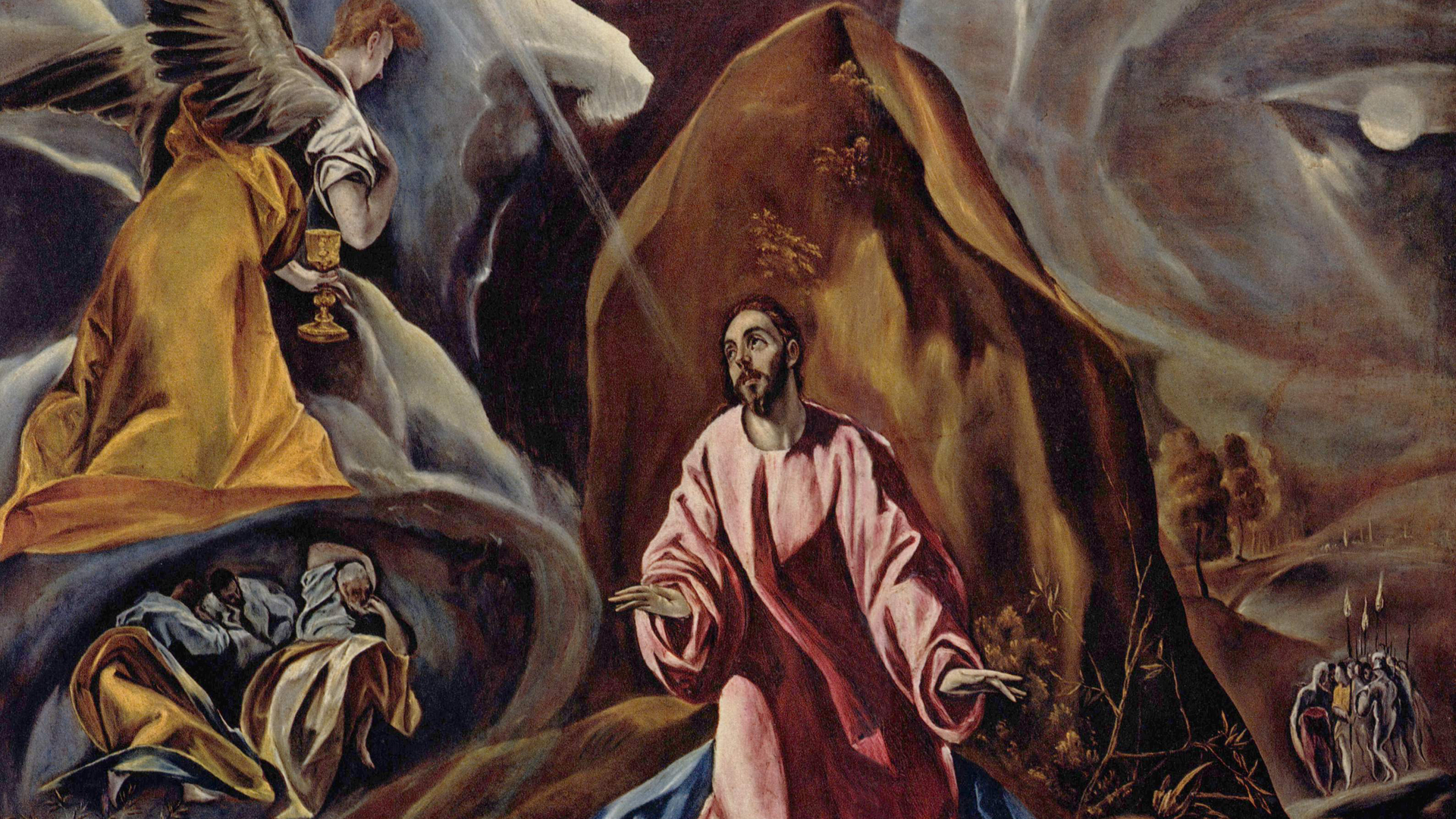
Painting by El Greco on Wikimedia Commons
And He was withdrawn from them about a stone’s throw, and He knelt down and prayed, saying, “Father, if it is Your will, take this cup away from Me; nevertheless not My will, but Yours, be done.” Then an angel appeared to Him from heaven, strengthening Him. (Luke 22:41–43; NKJV)

Jesus’ Passover observance with the Twelve was the last time He and the Twelve were altogether. Toward the end of the meal, Jesus released Judas to carry out the plans he had already committed his heart to do (John 13:18–30). A few hours later, in the Garden of Gethsemane on the Mount of Olives (Mark 14:32; Luke 22:39), Judas arrived with “a multitude” to arrest Jesus, betraying Him “with a kiss” (Luke 22:47–48).

Continue reading

As He Who Serves

And He said to them, “The kings of the Gentiles exercise lordship over them, and those who exercise authority over them are called ‘benefactors.’ But not so among you; on the contrary, he who is greatest among you, let him be as the younger, and he who governs as he who serves. For who is greater, he who sits at the table, or he who serves? Is it not he who sits at the table? Yet I am among you as the One who serves. (Luke 22:25–27)

Luke 22 brings us to the Day of Unleavened Bread, “when the Passover [Lamb] must be killed” (Luke 22:7). Sometime during the few days leading up to this one, two important, parallel events happened involving two of Jesus’ closest followers.

Continue reading

Possess Your Souls

Therefore settle it in your hearts not to meditate beforehand on what you will answer; for I will give you a mouth and wisdom which all your adversaries will not be able to contradict or resist. … you will be hated by all for My name’s sake. But not a hair of your head shall be lost. By your patience possess your souls. (Luke 21:14–19; NKJV)

Luke 21 brings us to one of the many challenging passages in the Gospels. This is Luke’s account of the Olivet Discourse, where He answers the disciples’ questions about the future destruction of Jerusalem and His Second Coming.

Continue reading

Outlining the Olivet Discourse

During Jesus’ last week of public ministry on earth, Jesus was sitting with His disciples looking at the Temple when they asked Him about the destruction of the Temple and His second coming. This conversation, called the “Olivet Discourse,” is recorded in all three Synoptic Gospels in Matthew 24, Mark 13, and Luke 21.

Continue reading

Sons of the Resurrection

Jesus answered and said to them, “The sons of this age marry and are given in marriage. But those who are counted worthy to attain that age, and the resurrection from the dead, neither marry nor are given in marriage; nor can they die anymore, for they are equal to the angels and are sons of God, being sons of the resurrection. (Luke 20:34–36)

Luke chapter 20 summarizes Jesus’ testing by the religious leaders after His arrival in Jerusalem and leading up to Passover. One of the many details I find interesting in this chapter is how these events connect to Passover.

Continue reading

To Seek and Save the Lost

Then Zacchaeus stood and said to the Lord, “Look, Lord, I give half of my goods to the poor; and if I have taken anything from anyone by false accusation, I restore fourfold.” And Jesus said to him, “Today salvation has come to this house, because he also is a son of Abraham; for the Son of Man has come to seek and to save that which was lost.” (Luke 19:8–10; NKJV)

Chapter 19 in the Gospel of Luke is a transition between two major sections of Luke’s narrative. The first half of the chapter (verses 1–27) closes out the large central division focusing on the Gospel of the Kingdom of God with a brief review of Jesus’ Kingdom priorities. The second half of the chapter (vv. 28–48) begins the next major division, which narrates the presentation of Israel’s Messiah, beginning with the arrival of Jesus in Jerusalem.

Continue reading