Jesus Himself Drew Near

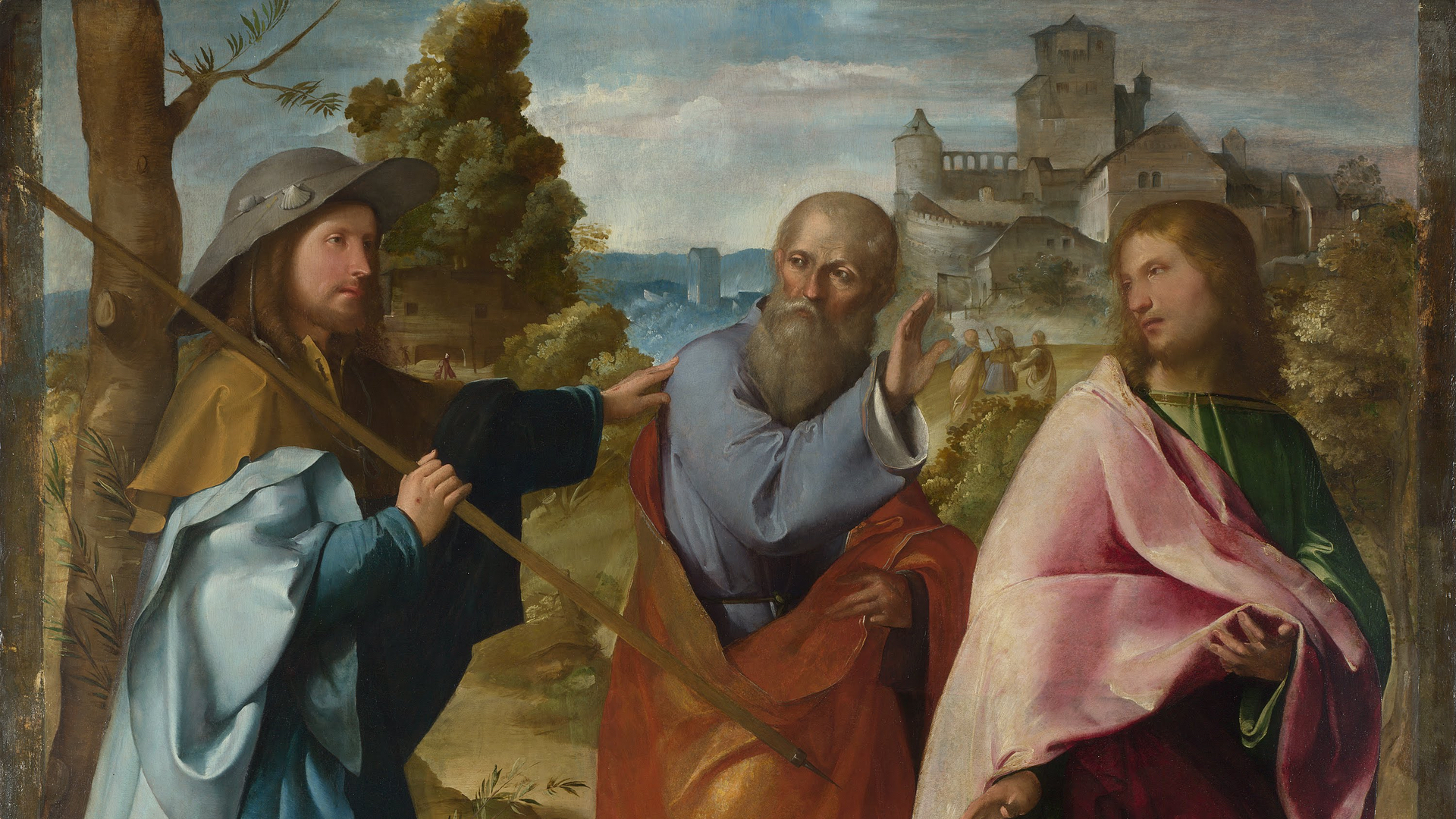
Now behold, two of them were traveling that same day to a village called Emmaus, which was seven miles from Jerusalem. And they talked together of all these things which had happened. So it was, while they conversed and reasoned, that Jesus Himself drew near and went with them. (Luke 24:13–15, NKJV)

The early morning sun crested over the horizon on the first day of the week. It was now the third day since Jesus was crucified, killed, and buried. A small group of faithful women, followers of Jesus, brought spices they had prepared to the tomb (Luke 24:2).

Continue reading
He Breathed His Last

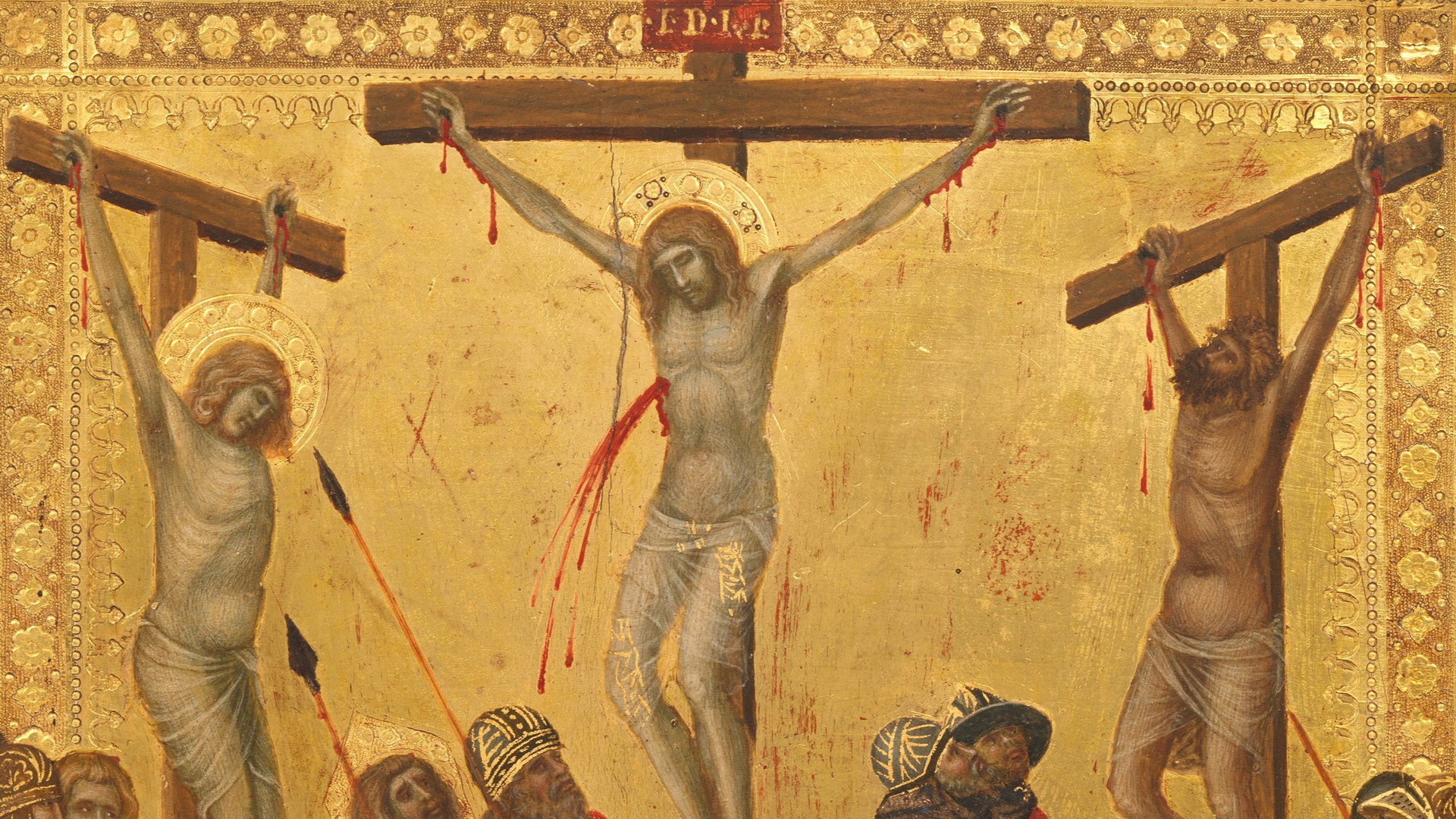
Painting by Pietro Lorenzetti on The Metropolitan Museum
Now it was about the sixth hour, and there was darkness over all the earth until the ninth hour. Then the sun was darkened, and the veil of the temple was torn in two. And when Jesus had cried out with a loud voice, He said, “Father, ‘into Your hands I commit My spirit.’ ” Having said this, He breathed His last. (Luke 23:44–46, NKJV)

Friday morning, as the first light was appearing, the arresting mob took Jesus to the Jewish ruling council, the Sanhedrin (Luke 22:66–71). Jesus said little during this trial. But Jesus surely knew the power of the words He spoke. The Sanhedrin’s response, “What further testimony do we need? For we have heard it ourselves from His own mouth” (vv. 71), evidences the meaning of Jesus’ humble affirmation that He is “the Christ, the chosen of God” (Luke 23:35).

Continue reading

He Answered Him Nothing

Painting by James Tissot on Brooklyn Museum
Now when Herod saw Jesus, he was exceedingly glad; for he had desired for a long time to see Him, because he had heard many things about Him, and he hoped to see some miracle done by Him. Then he questioned Him with many words, but He answered him nothing (Luke 23:8–9, NKJV)

On Friday morning,“the multitude” took Jesus to Pilate. In Jewish tradition, the 24-hour day begins at sundown and continues through the night into the morning, ending at twilight the following day. So, by Jewish reckoning, this was not a new “day,” but the morning of the 15th of Nisan and a continuation of the Passover day.1

Continue reading

Lest You Enter into Temptation

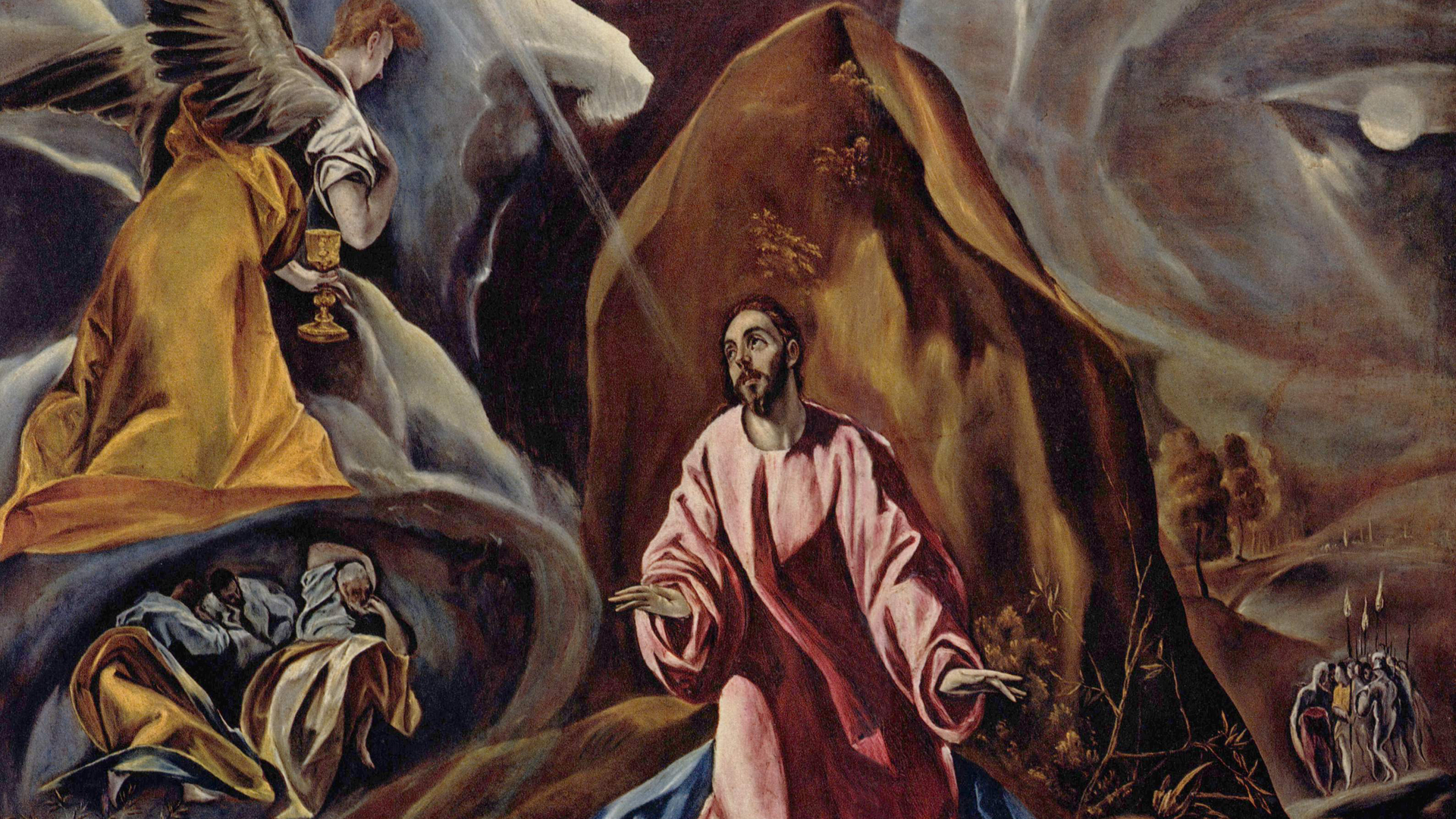
Painting by El Greco on Wikimedia Commons
And He was withdrawn from them about a stone’s throw, and He knelt down and prayed, saying, “Father, if it is Your will, take this cup away from Me; nevertheless not My will, but Yours, be done.” Then an angel appeared to Him from heaven, strengthening Him. (Luke 22:41–43; NKJV)

Jesus’ Passover observance with the Twelve was the last time He and the Twelve were altogether. Toward the end of the meal, Jesus released Judas to carry out the plans he had already committed his heart to do (John 13:18–30). A few hours later, in the Garden of Gethsemane on the Mount of Olives (Mark 14:32; Luke 22:39), Judas arrived with “a multitude” to arrest Jesus, betraying Him “with a kiss” (Luke 22:47–48).

Continue reading

As He Who Serves

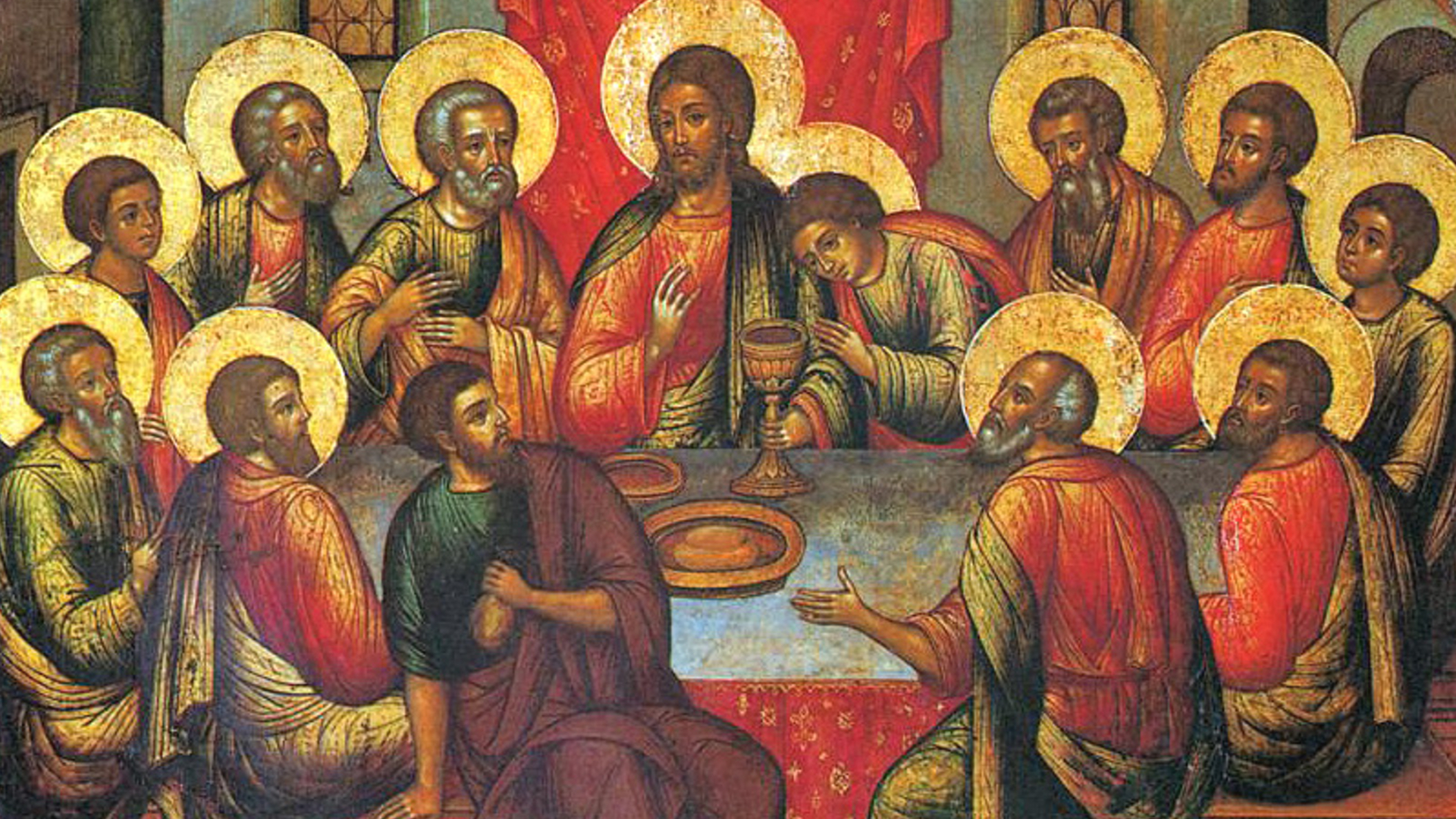
And He said to them, “The kings of the Gentiles exercise lordship over them, and those who exercise authority over them are called ‘benefactors.’ But not so among you; on the contrary, he who is greatest among you, let him be as the younger, and he who governs as he who serves. For who is greater, he who sits at the table, or he who serves? Is it not he who sits at the table? Yet I am among you as the One who serves. (Luke 22:25–27)

Luke 22 brings us to the Day of Unleavened Bread, “when the Passover [Lamb] must be killed” (Luke 22:7). Sometime during the few days leading up to this one, two important, parallel events happened involving two of Jesus’ closest followers.

Continue reading

To Seek and Save the Lost

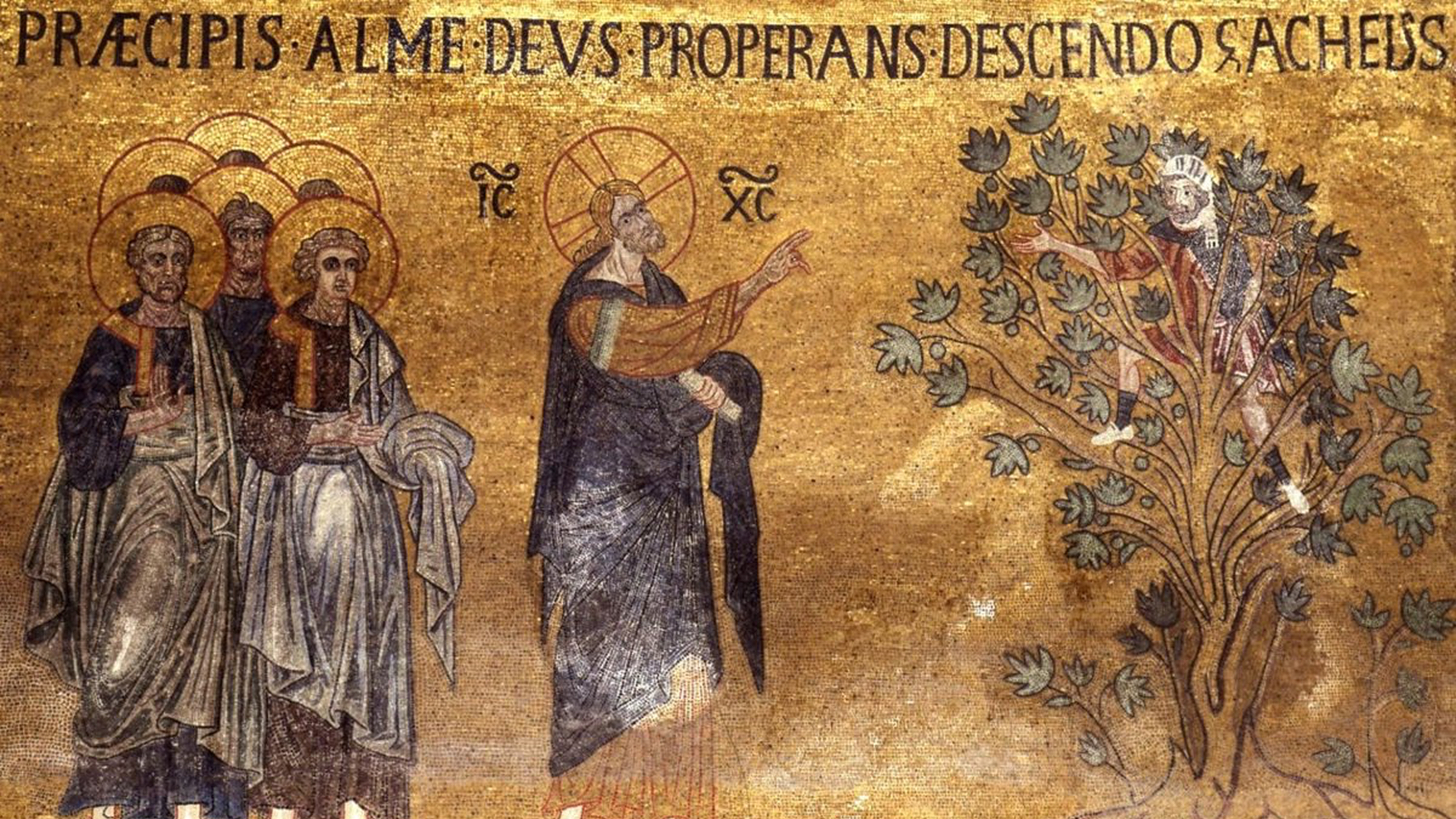
Then Zacchaeus stood and said to the Lord, “Look, Lord, I give half of my goods to the poor; and if I have taken anything from anyone by false accusation, I restore fourfold.” And Jesus said to him, “Today salvation has come to this house, because he also is a son of Abraham; for the Son of Man has come to seek and to save that which was lost.” (Luke 19:8–10; NKJV)

Chapter 19 in the Gospel of Luke is a transition between two major sections of Luke’s narrative. The first half of the chapter (verses 1–27) closes out the large central division focusing on the Gospel of the Kingdom of God with a brief review of Jesus’ Kingdom priorities. The second half of the chapter (vv. 28–48) begins the next major division, which narrates the presentation of Israel’s Messiah, beginning with the arrival of Jesus in Jerusalem.

Continue reading

Have Mercy on Me!

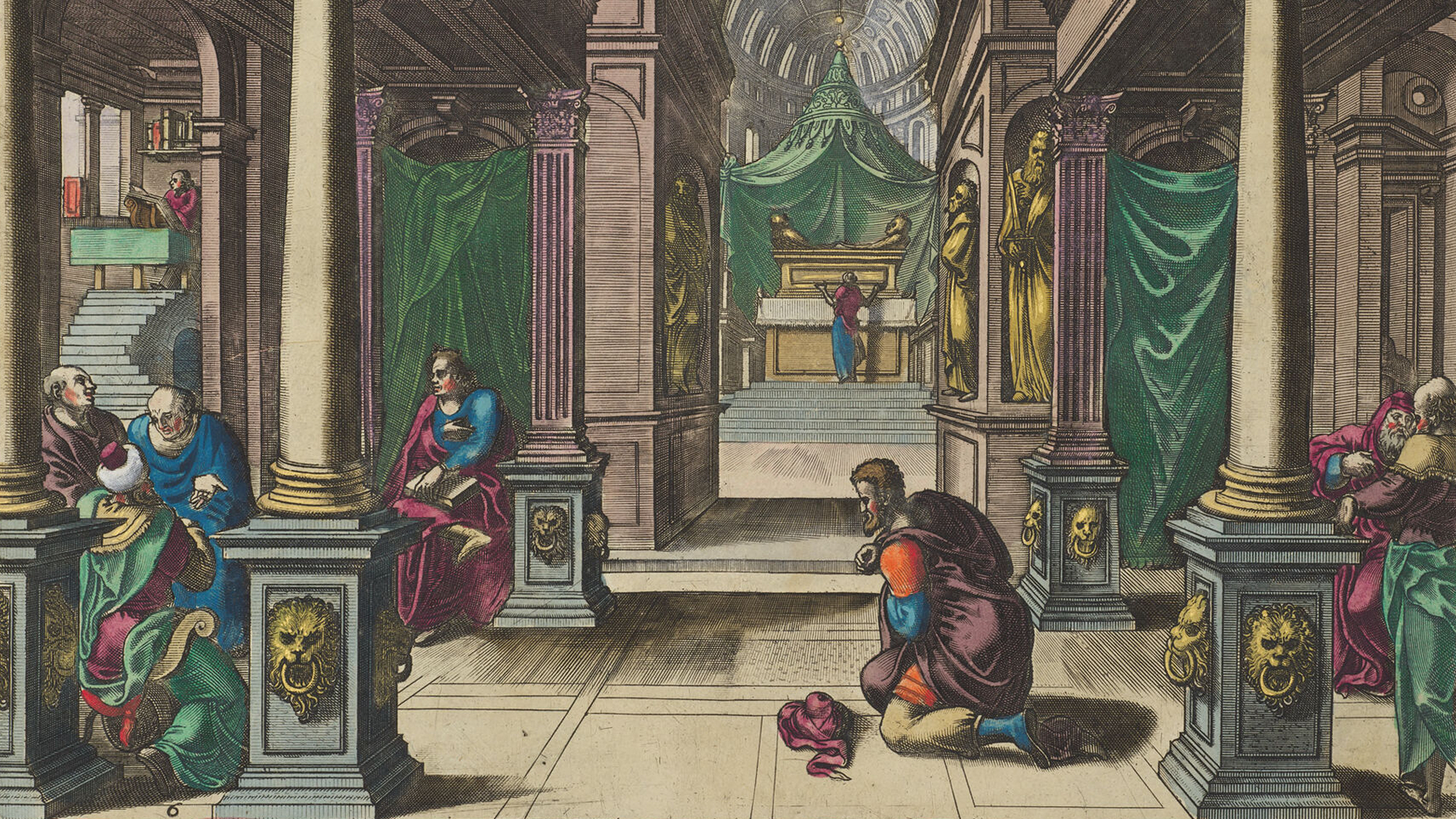
Print by Lucas and Joannes van Doetecum on Harvard Art Museums
The tax collector, standing afar off, would not so much as raise his eyes to heaven, but beat his breast, saying, ‘God, be merciful to me a sinner!’ I tell you, this man went down to his house justified rather than the other; for everyone who exalts himself will be humbled, and he who humbles himself will be exalted.” (Luke 18:13–14, NKJV)

As Jesus traveled toward Jerusalem, many people gathered around Him, asking Him questions and listening to His teaching. Chapter 18 narrates some of Jesus’ encounters as He journeyed toward the Cross. The chapter opens with two parables about the kind of persistent, humble faith that God desires of us. These parables are followed by Jesus’ encounter with the little children, whose persistent, humble faith He instructs us to emulate.

Continue reading

The Days of the Son of Man

Then He said to the disciples, “The days will come when you will desire to see one of the days of the Son of Man, and you will not see it. And they will say to you, ‘Look here!’ or ‘Look there!’ Do not go after them or follow them. For as the lightning that flashes out of one part under heaven shines to the other part under heaven, so also the Son of Man will be in His day. (Luke 17:22–24; NKJV)

As Jesus continued toward Jerusalem, He traveled through Samaria and Galilee (Luke 17:11). This would be his last pass through these regions on His way to the Cross. The warnings about giving offense (vv. 1–4) and about faithful service (vv. 5–10) bring the major section about true service in the Kingdom of God, beginning in Luke 15, to a close. Luke’s narrative now focuses on the coming of God’s Kingdom and the Son of Man.

Continue reading

This My Son Was Dead

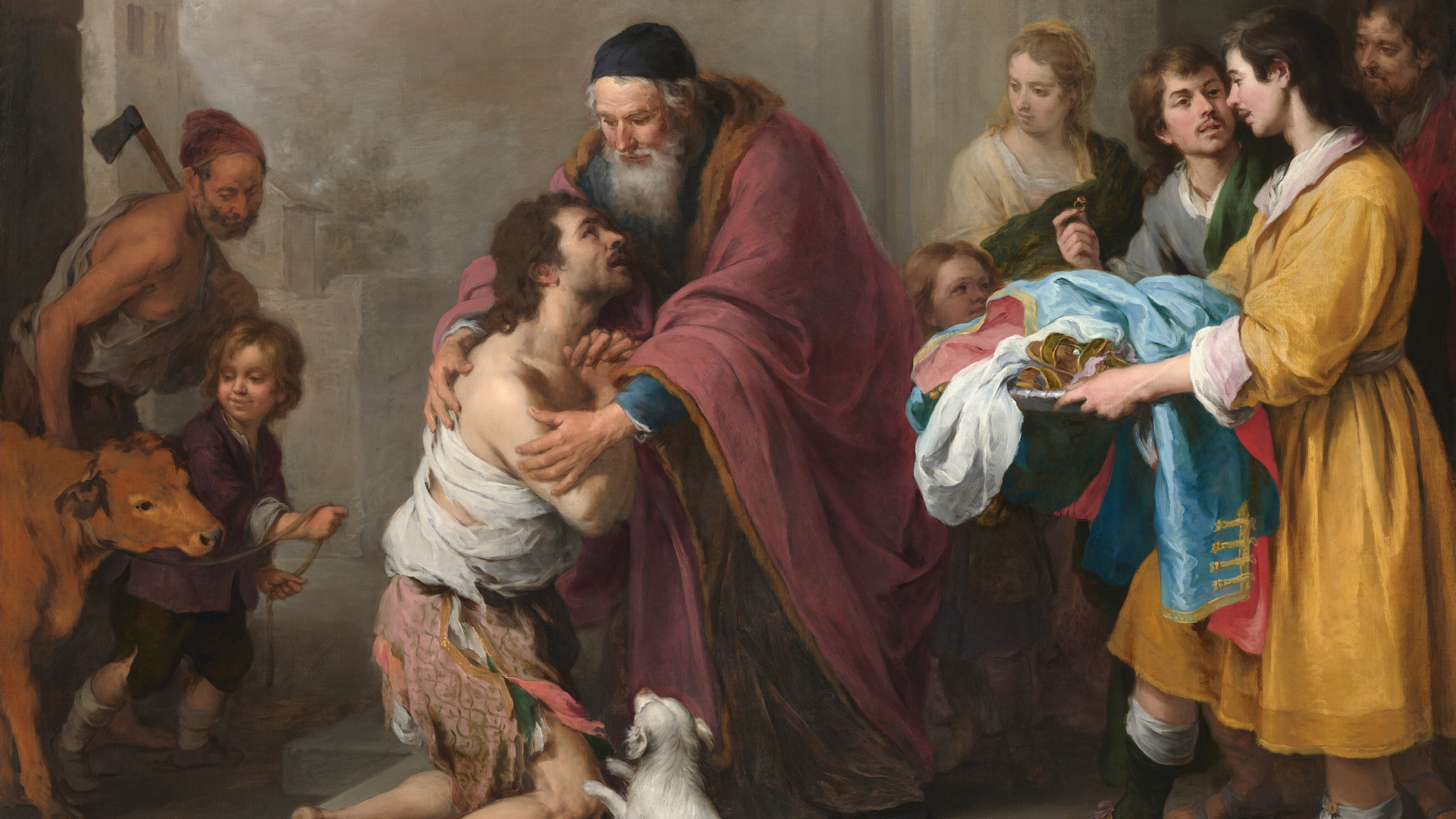
But the father said to his servants, ‘Bring out the best robe and put it on him, and put a ring on his hand and sandals on his feet. And bring the fatted calf here and kill it, and let us eat and be merry; for this my son was dead and is alive again; he was lost and is found.’ And they began to be merry. (Luke 15:22–24)

In Luke chapter 15, Jesus has departed from the Pharisee’s house and continued His journey toward Jerusalem. In chapter 14, Luke concluded the major section on what it means to truly follow Jesus. Now, the focus is on the what true service in the Kingdom of God looks like.

Continue reading

The Narrow Gate

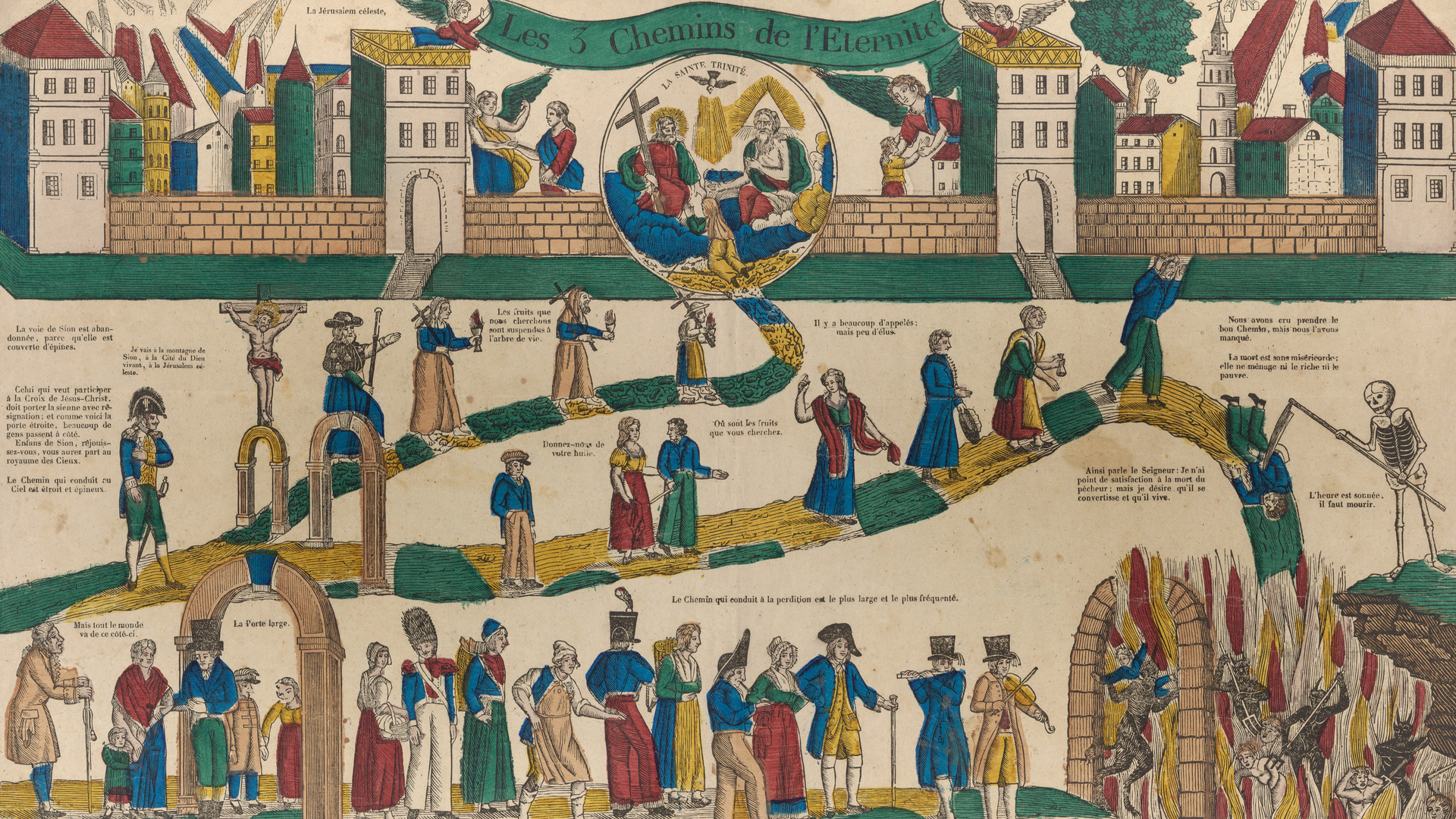
And He went through the cities and villages, teaching, and journeying toward Jerusalem. Then one said to Him, “Lord, are there few who are saved?” And He said to them, “Strive to enter through the narrow gate, for many, I say to you, will seek to enter and will not be able. (Luke 13:22–24; NKJV)

In Luke chapter 13, Jesus continues teaching about what following Him looks like in daily life, focusing on the connection between Kingdom membership and following Him. Jesus makes clear that not everyone who thinks they are a Christian will inherit eternity with Him.

Continue reading